/
Israel's Herzog weighs who forms the government: Netanyahu's 53 seats, Eisenkot's 48 and the 19 that decide it
President Isaac Herzog held consultations with Knesset factions on 4–5 November after the 27 October election left Netanyahu's bloc on 53 seats, Gadi Eisenkot's on 48 and Arab-led parties on 19. Neither has 61. How the mandate works, who has endorsed whom and why a repeat election is possible.
S
5 min
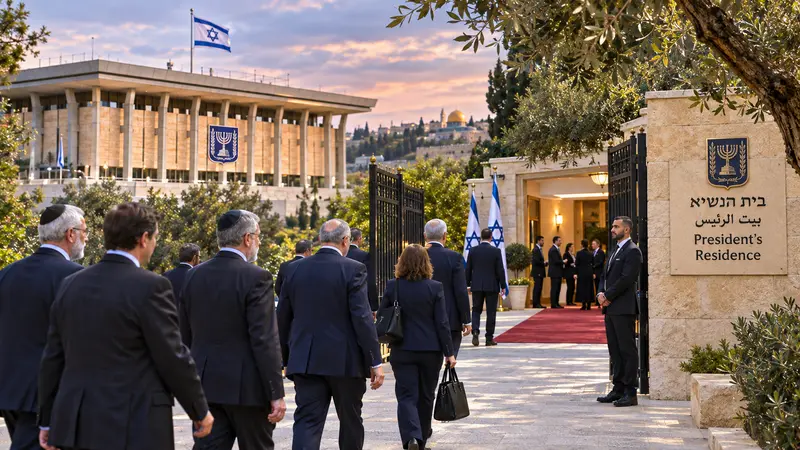
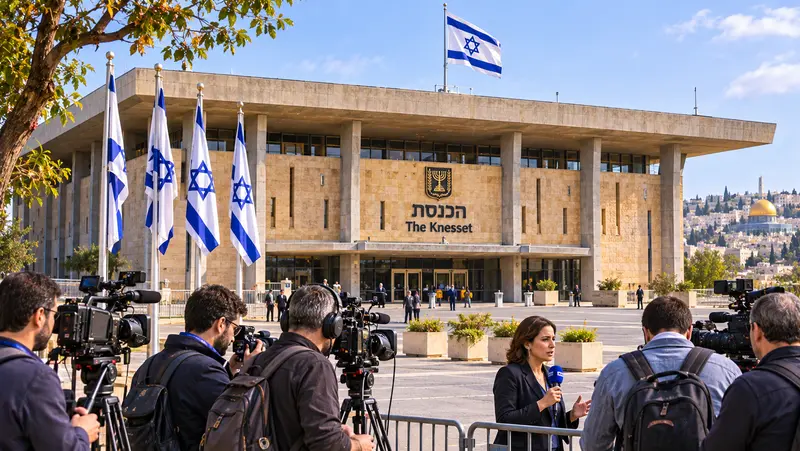
Israel's President Isaac Herzog began formal consultations with the newly elected Knesset factions on the evening of 4 November 2026 and continued them on 5 November, to decide which leader is best placed to form the next government. The talks follow a general election on 27 October that gave no one a majority. According to the Central Elections Committee, Prime Minister Benjamin Netanyahu's group won 53 seats, the opposition group led by former military chief Gadi Eisenkot won 48, and Arab-led parties won 19. Turnout was nearly 78%, the highest since 1999.
A majority in the 120-seat Knesset is 61. So the country that has just voted in such numbers has now reached the part of the process that happens in a room.
How the president chooses
In Israel, voters elect party lists, not a prime minister. After the results are certified, the president meets each faction, asks whom it recommends and then gives one Knesset member the task of forming a government. By law the president chooses the member who has the best chance of doing so, and that is usually the person with the most recommendations.
The usual steps under Israel's Basic Law are these.
| Stage | Time allowed |
|---|---|
| First candidate tries to form a government | 28 days |
| Extension if the president grants it | Up to 14 days |
| Second candidate, if the first fails | 28 days |
| Knesset members may then back any member | 21 days |
| If all fail | New election |
Herzog met the smaller factions first, including Religious Zionism, Shas, Yisrael Beytenu and Zehut, and then on Thursday United Torah Judaism, Otzma Yehudit, the Democrats, Ra'am, the Joint List and B'Yachad, before Eisenkot's Yashar and Netanyahu's Likud.
The endorsements reported so far divide this way.
Likud and Otzma Yehudit confirmed that they will endorse Netanyahu, and Religious Zionism, Shas and Zehut have added their support. Yashar, the Democrats, B'Yachad and Ra'am said that their support would go to Eisenkot, and Avigdor Liberman's Yisrael Beytenu is also putting Eisenkot forward.
The notable name there is Ra'am. An Arab-led party recommending a Jewish former army chief for prime minister would have been remarkable not long ago, and it shows how the old lines have shifted since Ra'am became the first Arab party to join a governing coalition in 2021.
Party-by-party seat numbers were not available in the official sources consulted, so the totals below use the Central Elections Committee's bloc figures.
Why it matters
The arithmetic tells the story. Netanyahu's bloc needs eight more seats. Eisenkot's needs 13. The 19 seats of Arab-led parties therefore hold the balance, but they are not a single force. Ra'am has backed Eisenkot, while the position of the Joint List was not stated in the reports of the consultations.
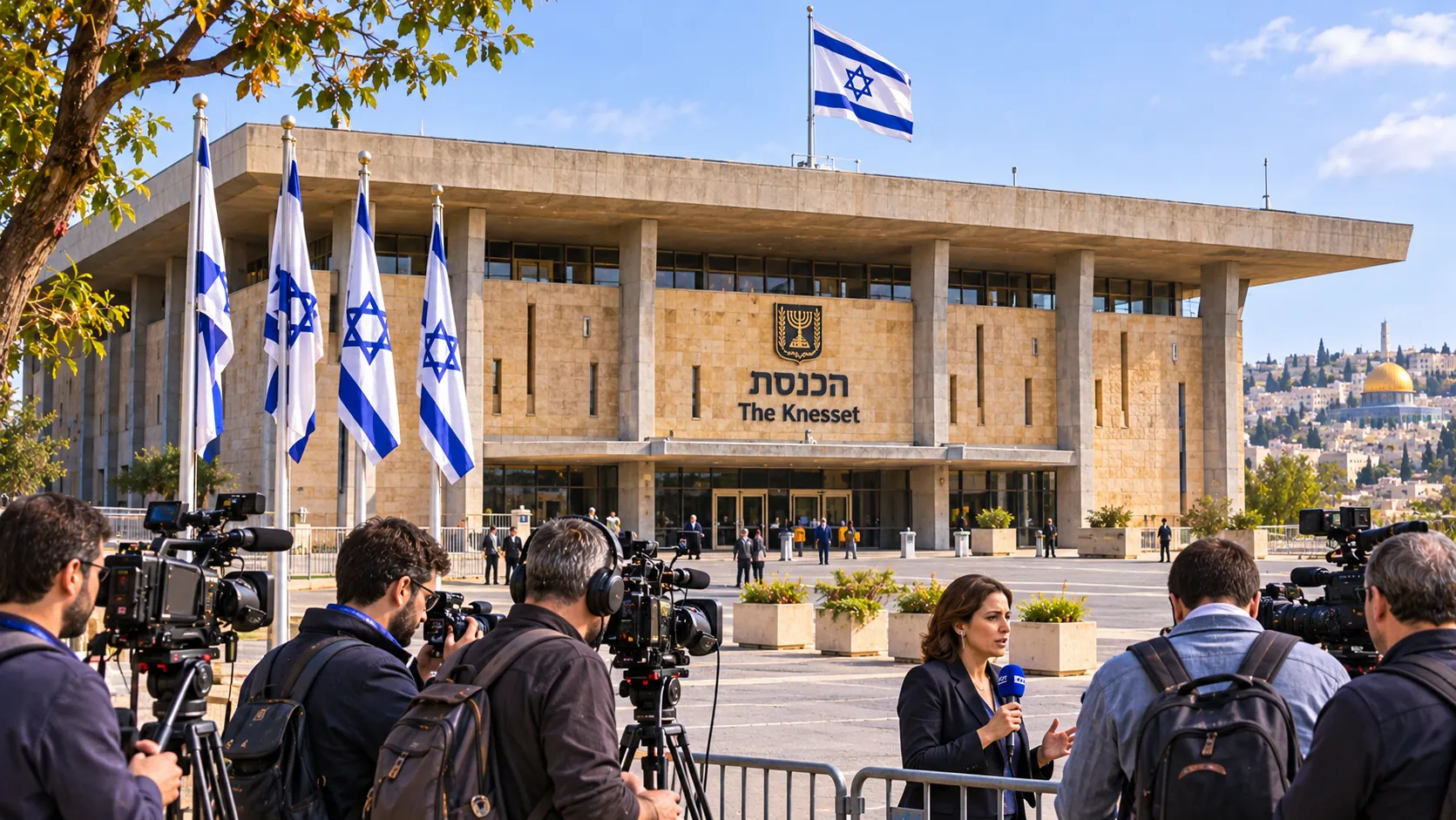
Eisenkot could, on paper, reach 67 with all the Arab-led parties. In practice, a government that depends on them would come under heavy attack from the right, and some in his own camp may resist. Netanyahu could reach 61 only by winning over defectors or persuading a party from the other side to cross over, and the opposition campaigned on replacing him. Both paths are hard.
There are three plausible outcomes. The first is a narrow government led by one side, depending on a small party with great leverage. The second is a broader unity arrangement, perhaps with a rotation, though such deals have proved hard to reach and harder to keep. The third is failure. If talks fail, Israel may face another election early next year, a return to the repeated elections of 2019 to 2022.
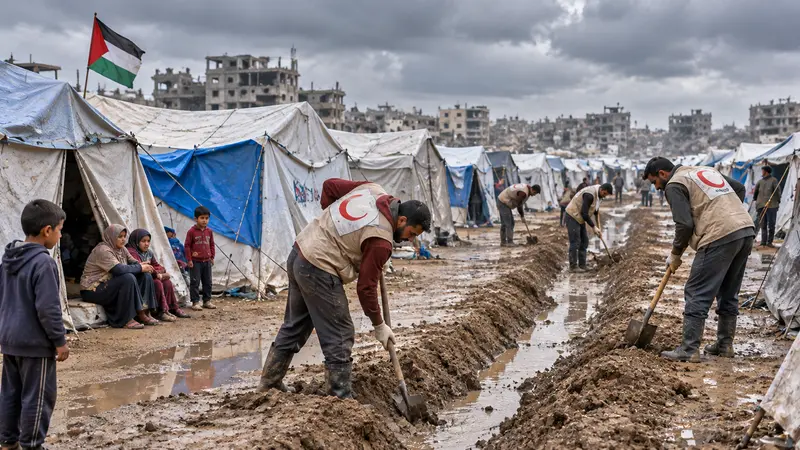
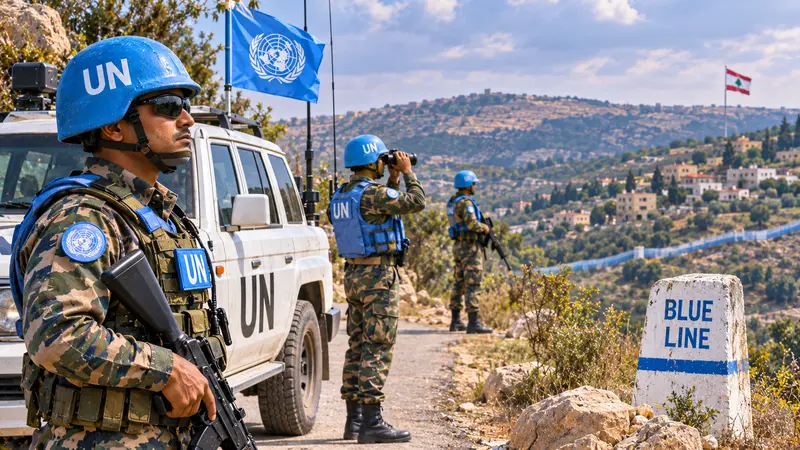
The context makes the delay costly. Israel is facing a contested Gaza ceasefire, a tense northern border as the UN force in Lebanon prepares to end operations, and a volatile standoff with Iran. A caretaker government can run the country, but major decisions become harder. Critics of Israel's system argue that its low threshold and fragmented parties produce this result again and again. However, others reply that the system has simply reflected a deeply divided electorate, and that the record turnout shows how much people care about the outcome.
For India, Israel is an important defence and technology partner, and New Delhi works with whichever government takes office. Continuity in those ties is unlikely to be in question. The more immediate concern is regional stability and its effect on energy prices.
What happens next
Herzog must now weigh the recommendations and give the mandate to one candidate. If Netanyahu has the larger number, he may be asked first, and the 28-day clock would begin. If Eisenkot has more, it would be a major shift.
The president has also shown in the past that he may try to encourage broad coalitions. Whether he says anything along those lines this time will be closely read.
For ordinary Israelis, what is at stake goes beyond who sits in the prime minister's chair. The next government will set the budget, decide the terms of military service, handle the hostage and security inquiries that followed the war and shape relations with Washington under a Congress that has just changed hands.
The first thing to watch is the count of recommendations. The second is whether any faction switches. The third is what the Joint List decides. After that, the real bargaining begins, over ministries, budgets and red lines, far from the cameras.
Sources
About the Author
S
Subhash Gupta
Desk Editor
Subhash Gupta is a writer at Wirony, contributing articles that are reviewed and verified by the editorial team before publication. The publication prioritises accuracy, editorial…
S
5 min
What did you think?