/
Gulf allies brace for possible US strikes on Iran after midterms as Trump says 'no rush'; talks continue
The US has warned Gulf allies to prepare for possible short, intense strikes on Iran as early as 4 November, say reports citing officials. Trump says there is 'no rush' and no decision has been made; Qatar-mediated talks continue and Iran warns of retaliation on economic and civilian targets.
A
4 min
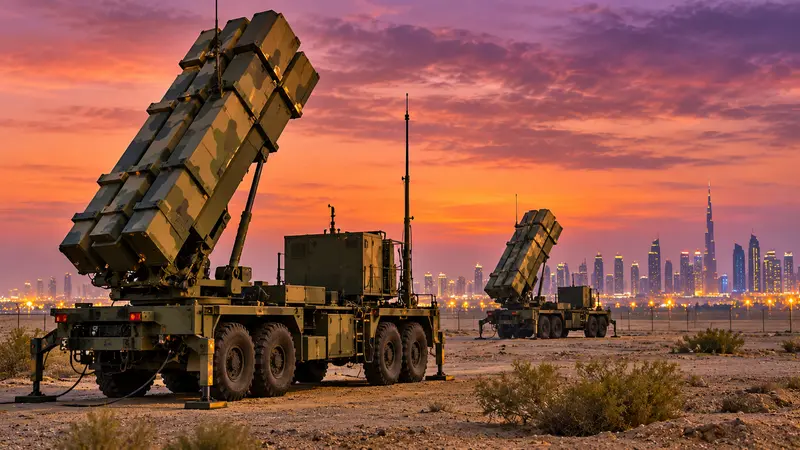
The United States has warned its Gulf allies to prepare for a possible short but intense round of strikes on Iran that could begin as early as 4 November, the day after the midterm elections. The reports rest on anonymous officials, and the White House has not confirmed any plan. A White House official said it does not comment on sensitive military plans that may or may not exist. At the same time, Qatar-mediated talks are under way and President Donald Trump says there is 'no rush'.
What is reported
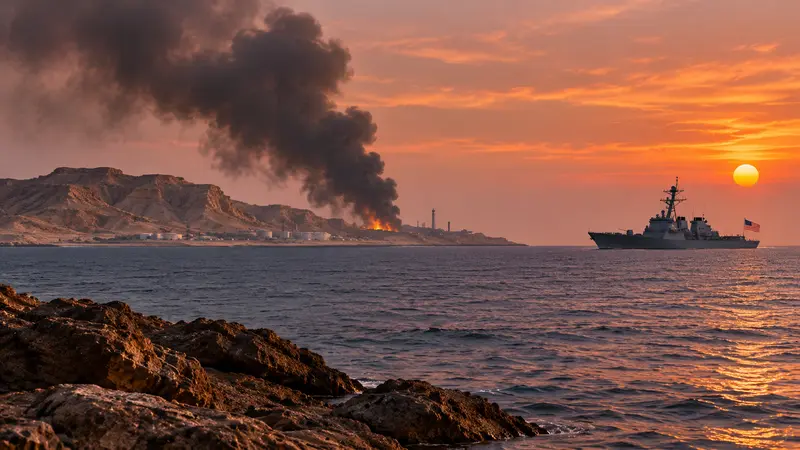
US media outlets reported that three senior Gulf Arab officials were briefed on the possibility. The reported targets include Iranian energy infrastructure, nuclear facilities and missile and drone capabilities, and officials said a campaign could last several days, though Iranian responses could prolong it. Gulf states are pushing hard for de-escalation, and one official said they would not be surprised if some of them pushed back on strikes launched from bases in their territory. The United States and its Gulf allies are still working to replenish missile defences depleted by earlier Iranian attacks.
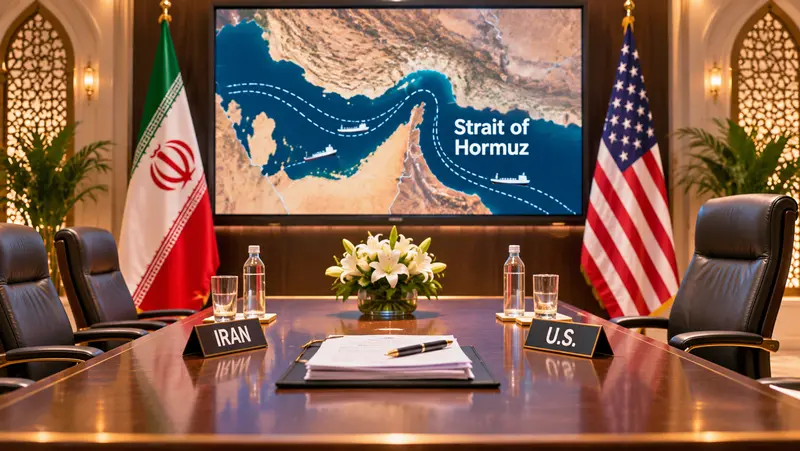
Trump has repeatedly said there would be no new attacks before the midterms. On Monday he said there is 'no rush' to resume strikes while Washington and Tehran weigh a Qatari proposal to restart direct talks, which reportedly calls for three days of confidence-building steps before talks. He said Iran has been financially crippled and that the US would use 'the hammer' if talks fail. Secretary of State Marco Rubio said Trump has not made a decision, and Vice President JD Vance said he is optimistic about a negotiated settlement but that Trump retains 'kinetic options'. Vance said no deadlines have been set and that the goal is to ensure Iran's nuclear programme is destroyed and not rebuilt. CIA Director John Ratcliffe has reportedly advised a 'no war, no deal' approach to maintain economic pressure.
How the conflict got here
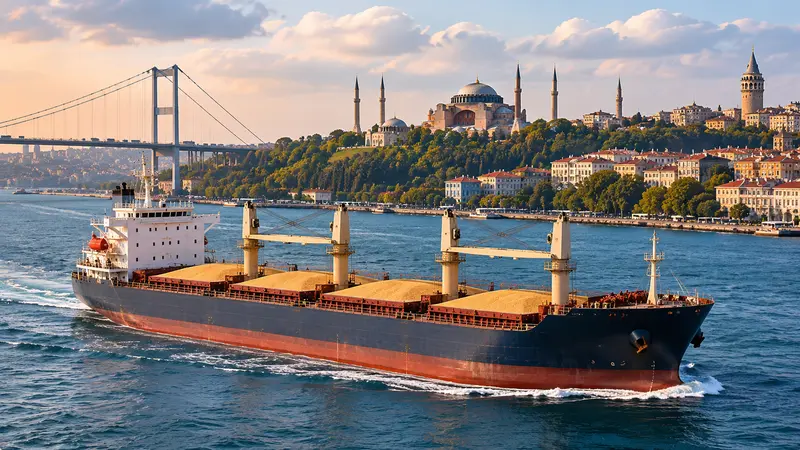
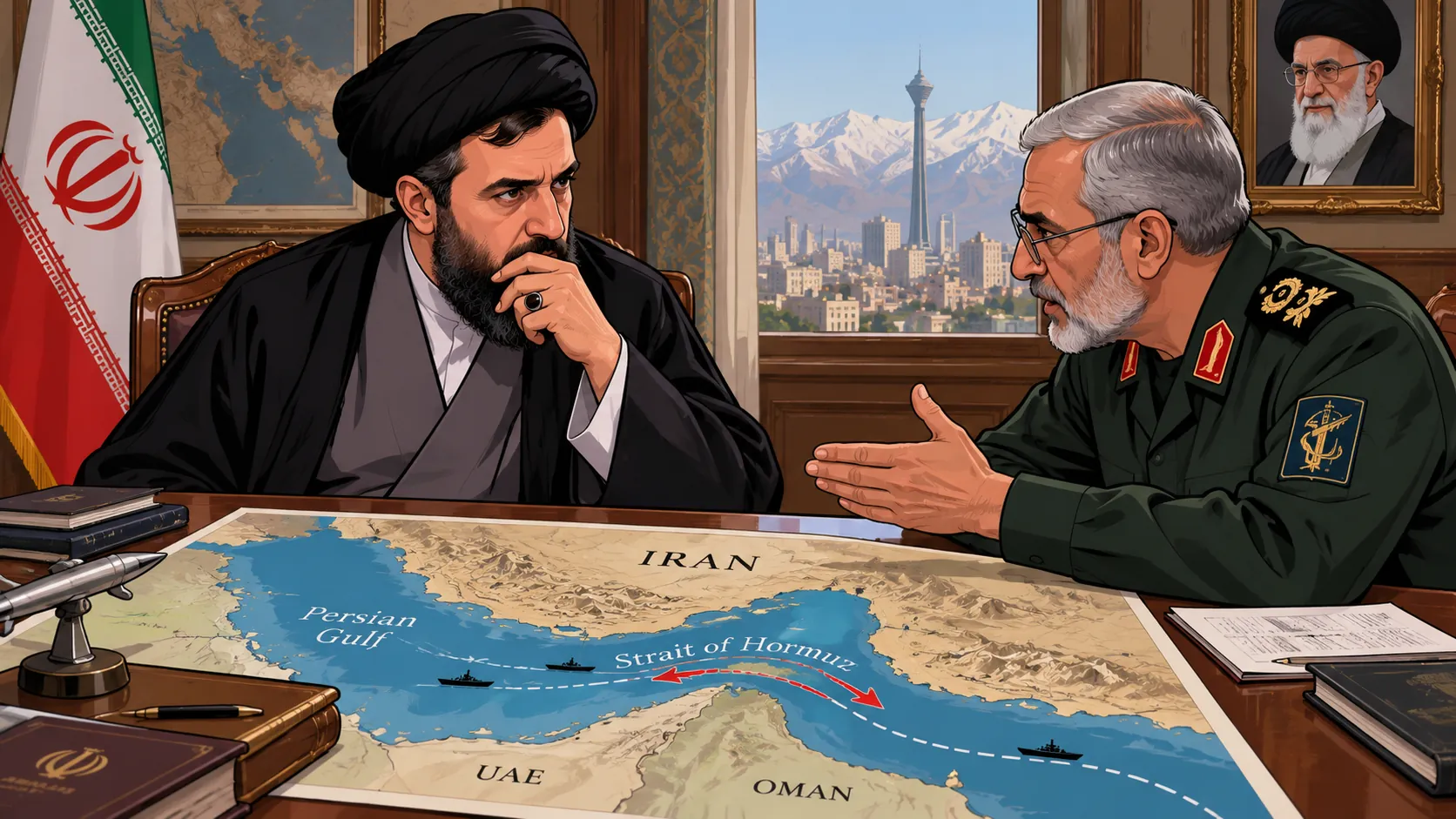
The war began on 28 February, when the United States and Israel launched strikes on Iran, and Supreme Leader Ali Khamenei was killed. Iran responded by attacking US bases in the region, Israel and sites in neighbouring states, and it closed the Strait of Hormuz, the passage for roughly a fifth of the world's oil. The Houthis resumed attacks on Israel on 28 March, and Iran has also launched drone and missile strikes on sites in Oman and the strait.
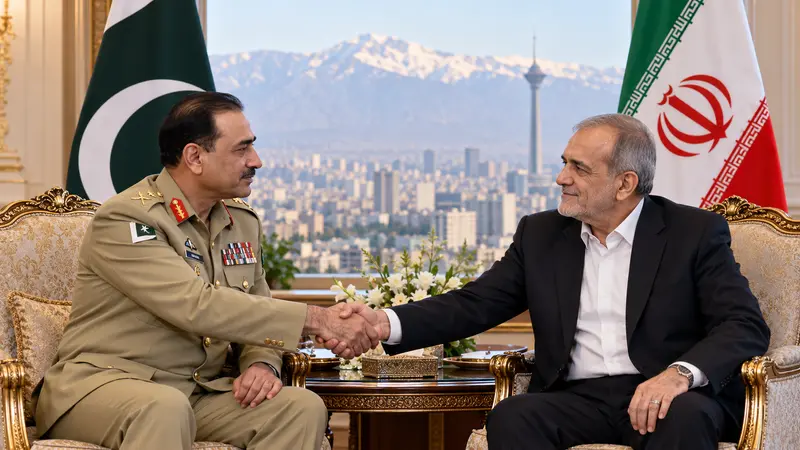
On 7 and 8 April Trump announced a two-week ceasefire brokered by Pakistan, talks were held in Islamabad on 11 and 12 April, and a US naval blockade of Iran began on 13 April. A 14-point memorandum of understanding was agreed in June, announced by the White House on 19 June, and Pakistan said it implied Iran would reopen Hormuz and the blockade would end. The interim deal collapsed on 8 July after Iran allegedly struck several commercial ships in the strait, with three ships attacked on 6 and 7 July, and the US responded by striking Iranian territory.
Iran's position
Foreign Minister Abbas Araghchi said the mediated consultations are 'very intensive' and that everything depends on Washington's political rationality. An official said Iranian negotiators left Doha on Sunday after reaching a framework agreement that is now circulating. Qatari mediators held two rounds of talks with Iranian officials last week, with more planned this week, and Iran has told Qatar it could reopen Hormuz within two days of an agreement.
Iran's conditions for the two-day plan, which Washington has not publicly accepted, include lifting recent US sanctions, restoring the oil waivers granted in June, reducing the US military presence in the region, recognising the shipping routes designated by Iran and Oman, ending the fighting on all fronts including Israel's attacks on Lebanon, and releasing frozen funds, including those held in Qatar. Iran's security chief said a letter from Vance showed a changed tone from Washington.
Iran has warned that it would hit economic and civilian targets across the region, and one report says the Supreme Leader, Mojtaba Khamenei, ordered immediate responses to threats without geographic limits. Iran is weighing whether to change its nuclear doctrine if war resumes, though it remains a member of the Non-Proliferation Treaty, and its security chief said no decision has been made.
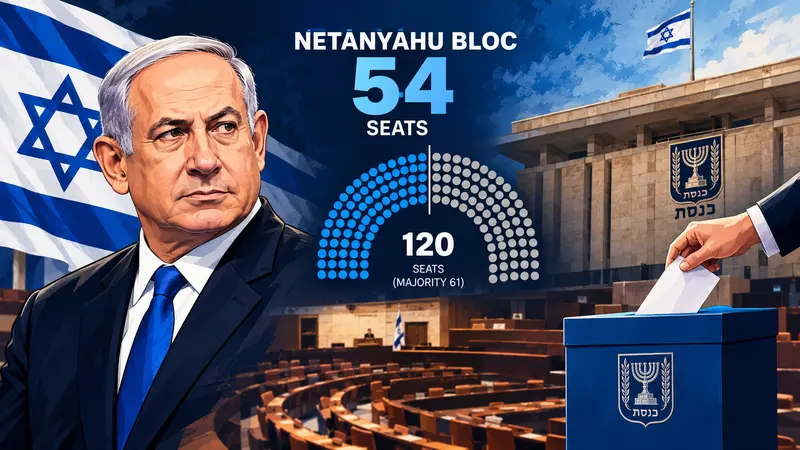
Qatar and the UAE have held security drills, including at airports, and attendees at an energy conference in Abu Dhabi cut short their visits. Riyadh's schools moved to remote learning after threats and cross-border attacks by Iran-backed Houthis, and Saudi forces reportedly shot down two drones near the capital. Several Arab states have privately warned Tehran that strikes on their infrastructure would trigger retaliation. Israeli Prime Minister Benjamin Netanyahu is reportedly pressing for further strikes after the midterms, and one report says a return to war could help him form an emergency government after his bloc lost its majority.
Oil markets are reacting to the talks more than to the threat: Brent crude fell about 2% on Monday to about $111 a barrel on hopes of the two-day reopening plan, though analysts say the move is vulnerable to reversal while Hormuz flows remain disrupted. The next few days, beginning with the election results, will show whether the diplomacy or the strike plan prevails.
A
4 min
What did you think?