/
Iran lists five conditions for 'lasting security' as Qatar says an interim US deal is still possible
Iran's armed forces chief laid out five conditions on 3 November: an end to wars on all fronts, full sanctions relief, reparations, recognised sovereignty over Hormuz and guarantees against attack. Qatar says mediators are exchanging proposals live. Another official cited seven.
S
5 min
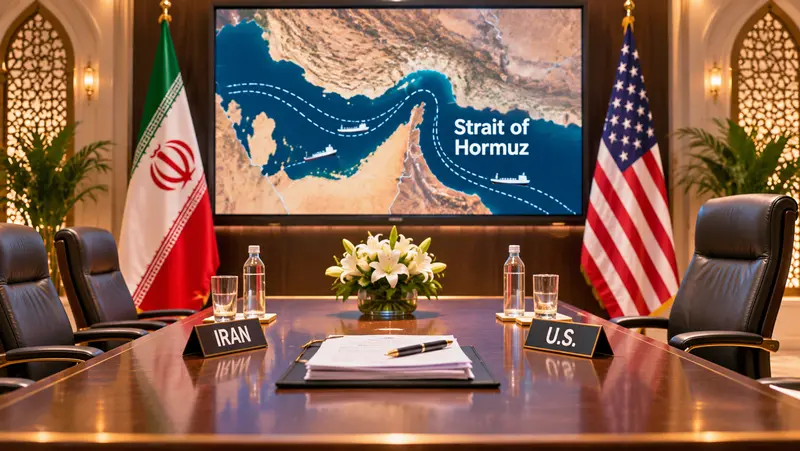
Iran's armed forces chief of staff has set out five conditions that Tehran says must be met for lasting security in West Asia, at a moment when Qatar says a limited deal with Washington is still possible. Major General Ali Abdollahi, who also commands the Khatam al-Anbiya Central Headquarters, described them on Tuesday 3 November as a roadmap, in remarks carried by Iranian state broadcasters. They come after a week of strikes and counter-claims around the Strait of Hormuz, and they set the outer limits of what Iran says it will accept. They also show how far apart the two sides are.
The conditions as reported are these. First, an end to wars on all fronts, especially in Lebanon and Gaza, and a rejection of negotiations held under military threat. Second, the full lifting of sanctions and the release of frozen Iranian assets. Third, compensation for war damage, with Abdollahi saying Iran sees itself as a creditor and not a debtor. Fourth, recognition of Iranian sovereignty over the Strait of Hormuz and the replacement of the American-led security framework with what he called a "Hormuz mechanism". Fifth, guarantees against renewed military attacks, with security arrangements led by the countries of the region.
Reading the five conditions
The five items do not carry equal weight, and they are different in kind. Sanctions relief, the release of frozen assets and an end to the American naval blockade are the familiar transactional demands that Iran has made through every round of talks, and they could be traded in stages. Compensation for war damage is harder, because it asks the United States and Israel to accept responsibility for a war they launched on 28 February, and it is likely to be a bargaining position more than a final demand. Reparations appeared in only some accounts of the speech, which suggests that coverage drew on different readings of the original.
The fourth condition is the most consequential. Hormuz carries a large share of the world's seaborne oil, and a recognition of Iranian "sovereignty" over it would turn a shipping lane that international law treats as open into a waterway where one coastal state sets the rules. Abdollahi also called Iran a "fourth centre of global power", citing its control over access to the strait. Qatar, which is mediating, has said freedom of navigation in Hormuz is non-negotiable, and the Gulf states that depend on the strait are unlikely to accept a mechanism that gives Tehran a veto. The fifth condition, a regional security framework with guarantees against attack, echoes an old Iranian proposal that excludes outside powers, and it directly challenges the American presence in the Gulf.
Abdollahi also said Iran's forces would respond to any threat without "geographical limits", and that the assets of its adversaries, material and otherwise, are within reach of its military. Parliament Speaker Mohammad Bagher Qalibaf, who leads the negotiating team, said Iran had given Washington a "firm and rational" response and that "the ball is in America's court" to prevent another war. He warned that any renewed American action would bring an unpredictable response, also without geographical limits.
The number is not settled
The five conditions are not the only list in circulation. Mohsen Rezaei, secretary of the Supreme National Security Council, said separately that the American response to Iran's demands was "not convincing" and that Washington must fully address Iran's "seven conditions" before Hormuz reopens. Reports have not reconciled the five with the seven. The likeliest explanation is that the five are a public statement of principles from the military leadership, while the longer list is the working list of the negotiators, but that is an interpretation and not a fact reported by the sources.
Other Iranian officials offered narrower statements. The foreign ministry said the strait could reopen within two days if the United States accepted its demands, and Abbas Araghchi said Iranian and Qatari negotiators had developed a proposal to reopen it within two days of an agreement, shorter than the seven days first floated. A senior Iranian official said that nuclear talks could begin only after the conditions on sanctions, the blockade and frozen funds were met. Deputy Foreign Minister Kazem Gharibabadi said Iran is not waiting for the American midterm results and is not shaping its policy around them.
Where the mediation stands
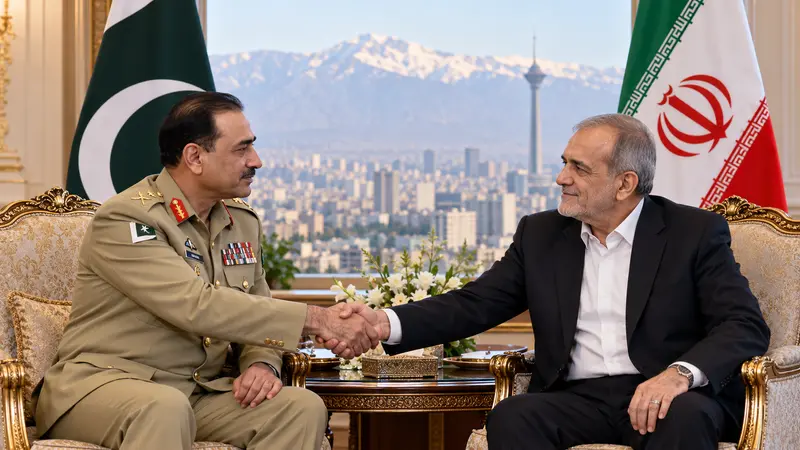
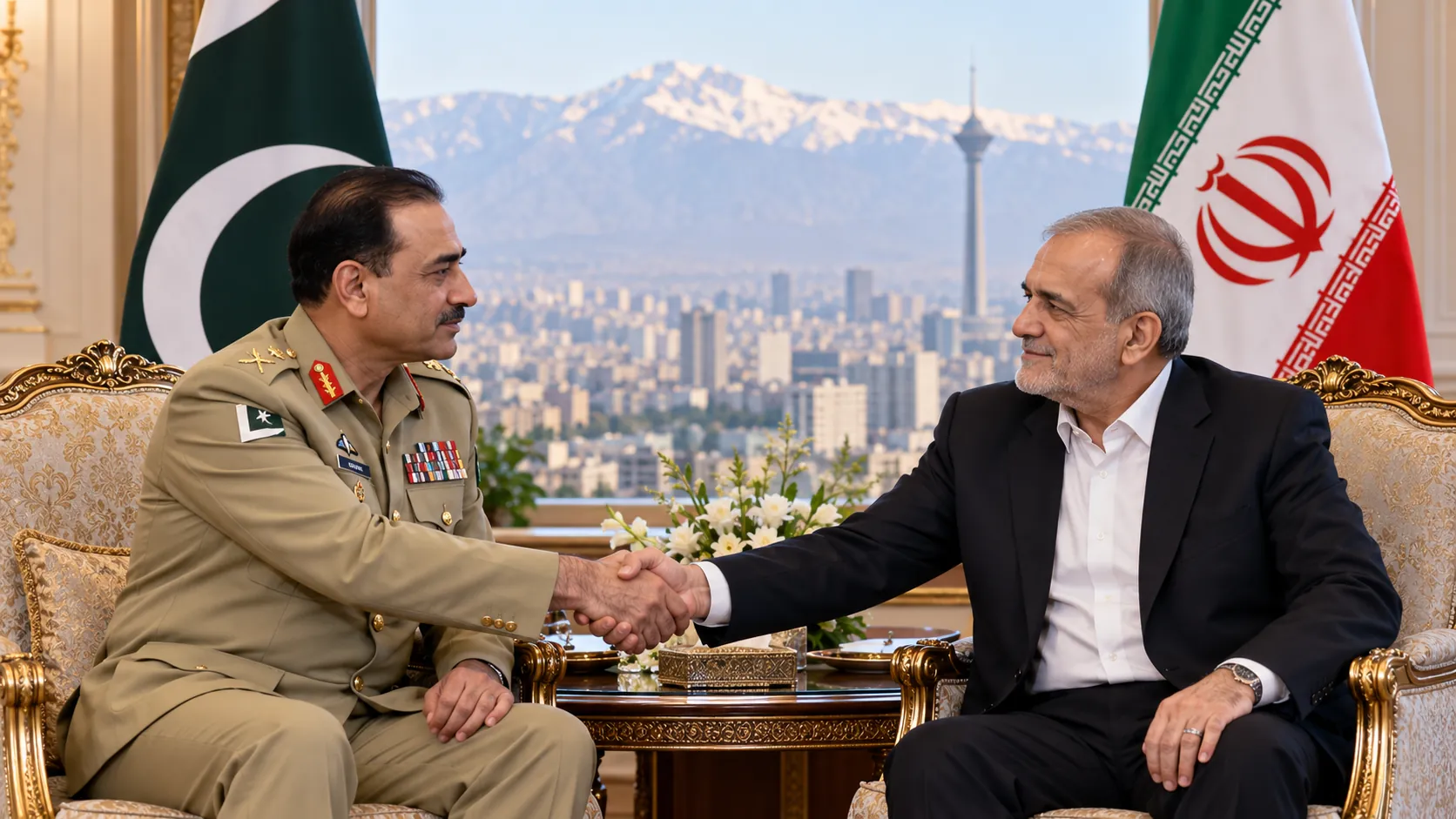
Qatar's spokesman, Majed al-Ansari, said on Tuesday that Doha remains hopeful that Tehran and Washington can reach a deal that would pave the way for future negotiations. A Qatari delegation met Iranian officials in Tehran for more than three hours on Monday and then returned to Doha, and both sides are reviewing a Qatari proposal, with mediators exchanging drafts in real time. "If there were no glimmer of hope, there would be no negotiations," he said, declining to predict whether a deal or escalation was more likely. He warned that attacks on Iranian territory or shipping would affect the talks and condemned the targeting of a Qatari tanker. Pakistan is also mediating. An official briefed on the talks expected feedback from both capitals within about 36 hours.
The American side sent mixed signals. President Trump said a deal "could happen" and warned that at some point Washington would have to "give them the hammer" if there is none. Vice President Vance said the United States had made progress. American officials described Monday's strikes on Qeshm Island as limited and defensive, and Mr Trump told an interviewer that there was no immediate plan for renewed strikes. Oil markets reacted to the hope: Brent crude settled at $103.60 a barrel on Tuesday, down 1.1%, after falling more than 7% on Monday.
The gap between the two lists is now the story. If the five conditions are a ceiling, a limited agreement that reopens Hormuz in exchange for some sanctions relief and a pause in the blockade is still conceivable, with the harder items left for later talks. If they are the floor, there is little to negotiate. The next 36 hours of replies from Washington and Tehran will show which one it is.
S
5 min
What did you think?