/
Asim Munir meets Iran's leaders in Tehran as Iran says 'not a gram' of enriched uranium will leave the country
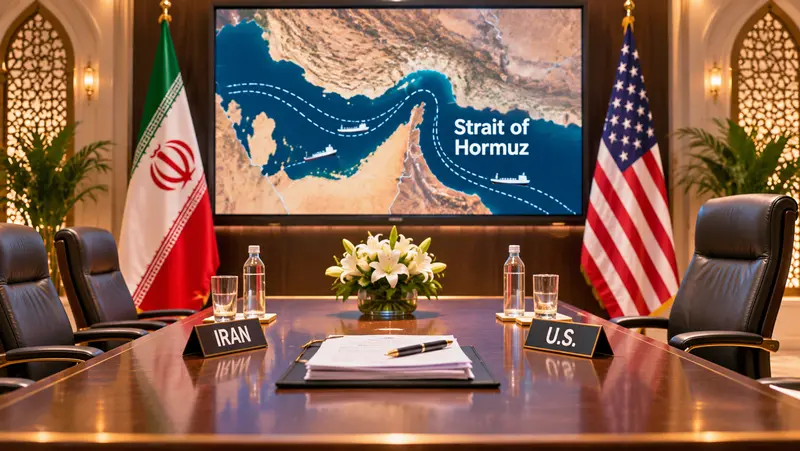
Pakistan's army chief met President Pezeshkian and other senior figures on Tuesday as he tried to restart stalled US-Iran talks. Iran's security chief said no enriched uranium will leave the country and set conditions for talks. Oil stayed near $108 a barrel.
R
4 min
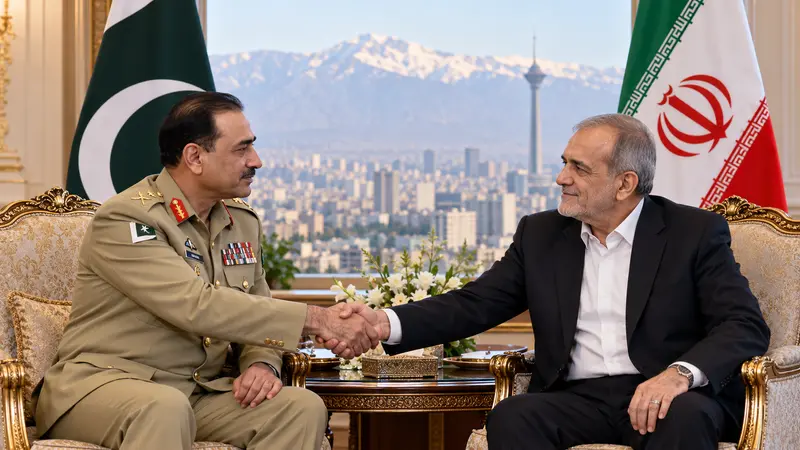
Pakistan's army chief, Field Marshal Asim Munir, was in Tehran on Tuesday, 20 October, trying once again to bring the United States and Iran back to the table. He left with a flat refusal on the issue that matters most to Washington. Mohsen Rezaei, secretary of Iran's Supreme National Security Council, told him that not even a small quantity of enriched nuclear material would leave the country. "Not a single gram of enriched uranium will be removed from Iran," Rezaei wrote on X.
Munir, accompanied by Pakistan's interior minister Mohsin Naqvi, met President Masoud Pezeshkian, Rezaei and parliament speaker Mohammad Bagher Ghalibaf. Reports describe it as at least his fifth trip to Iran since June. Iranian state media said Pezeshkian discussed regional developments and mediation with him. According to reports, Munir also carried a message about the Houthi rebels, though the details have not been made public.
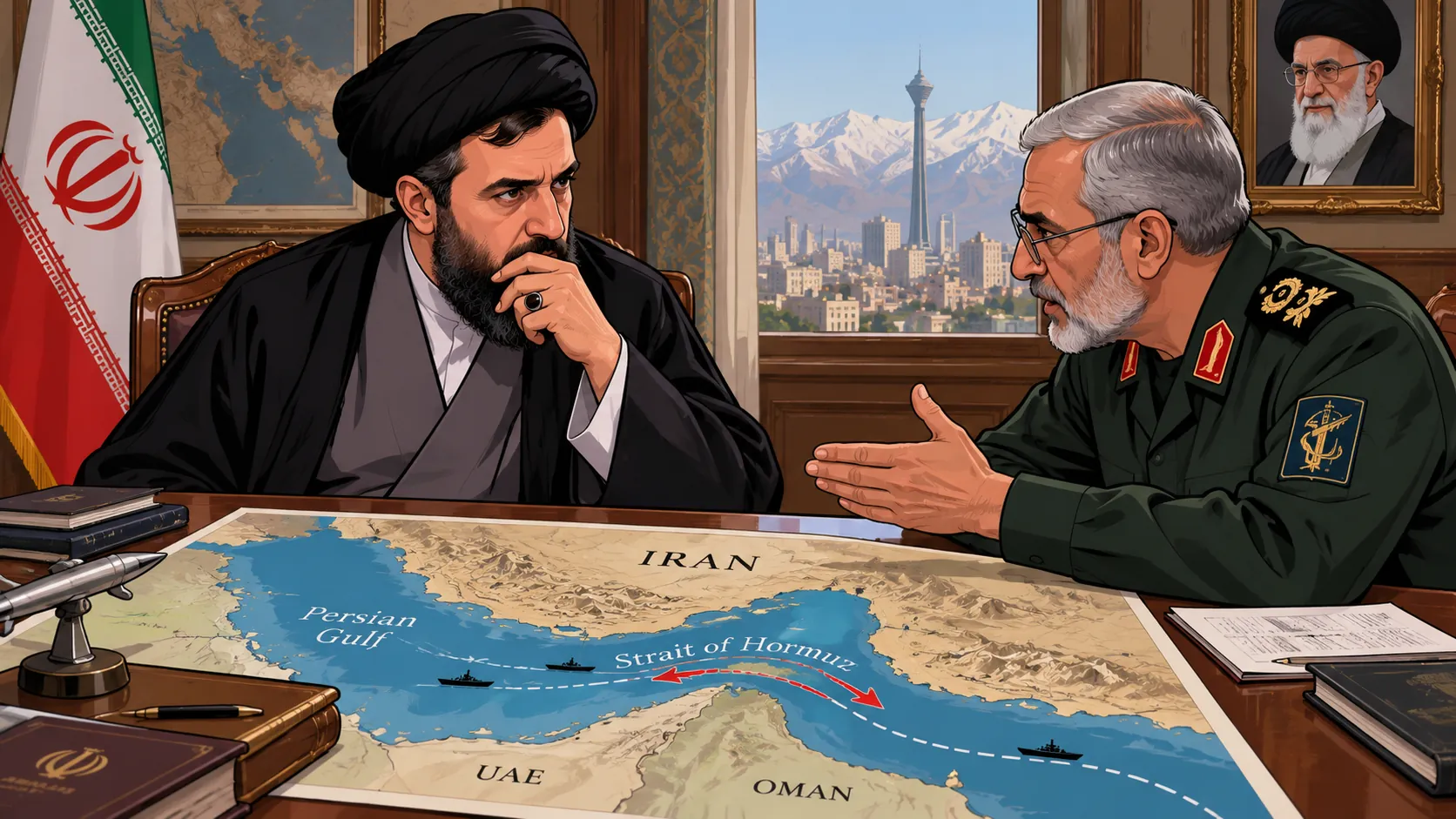
Rezaei called the stockpile a national asset meant for domestic use, and said Iran would not negotiate until Washington had rebuilt trust and met Tehran's conditions. Talks, he said, must begin with "full fulfillment of all Iran's conditions". Pezeshkian was blunter in a post on X: "Before any negotiations, they must first end the pressure and threats and lift sanctions." He blamed US "warmongering" for tensions in the region, including the disruption in the Strait of Hormuz.
Ghalibaf told Munir that Washington could not regain Iran's trust without meeting seven conditions set last month for reopening the strait. Among Iran's demands are lifting the US blockade of Iranian ports, removing sanctions on its oil exports and ending hostilities on regional fronts.
What Washington wants
The United States wants the opposite on uranium. Iran had enriched uranium to 60 per cent purity before US and Israeli strikes on its nuclear facilities in February, far above civilian needs and closer to the roughly 90 per cent associated with weapons. Washington has pressed for the removal or elimination of the highly enriched material and for a meaningful cut in Iran's enrichment capacity. Iran denies seeking nuclear weapons. Donald Trump said on Tuesday that strikes alone were "not good enough" without assurance Iran will not build a weapon, and that "we have to make sure it doesn't happen in five years, six years, 10 years". He called the cost of the strikes "a very small price to pay".
Secretary of State Marco Rubio said a diplomatic solution would be difficult because Iran is governed by "radical Shia clerics", and promised "extraordinary economic pressure". The White House said the US blockade "will remain in full force and effect", and also that the United States "will not be attacking Iran at any time prior to the midterm elections". Qatar said US-Iran peace talks were continuing, though neither side confirmed it.
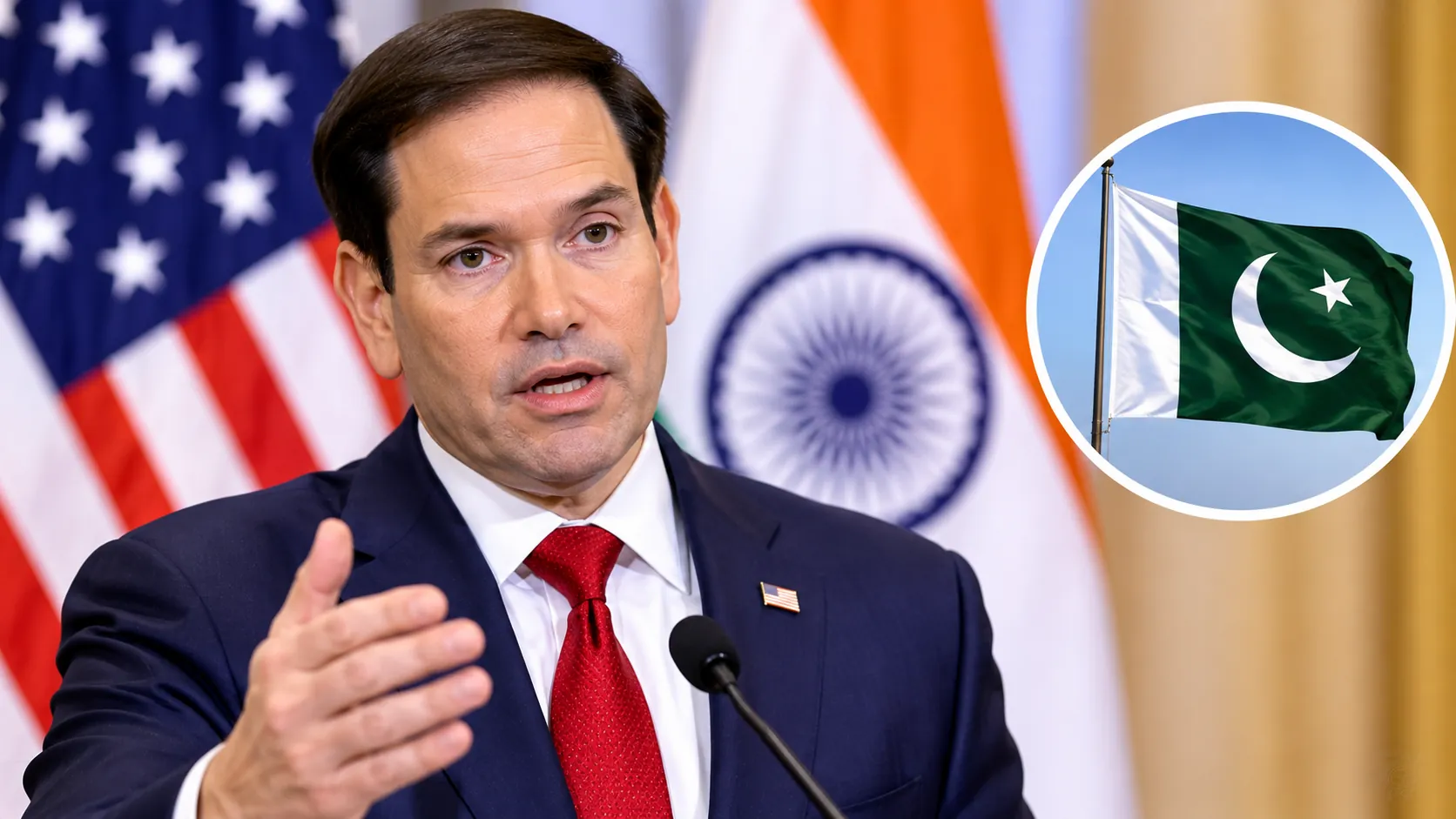
The conflict is now about eight months old. Pakistan helped broker an interim agreement in June, known as the Islamabad Memorandum, which came apart when fighting resumed weeks later. Islamabad has since tried to bring both sides back, and Munir's visits are the visible part of that effort.
At sea, Rubio accused Iran of attacking commercial ships and targeting civilian crews, in what he called "Nazi U-boat tactics". The US military says most of Iran's attempted attacks fail, though one report says Iran's Revolutionary Guards are increasingly targeting ships' engine rooms, which causes fires and long outages. Iraq has also ordered the indefinite closure of its Sheeb crossing with Iran to people and goods from Wednesday, without giving a reason.
Why India is watching
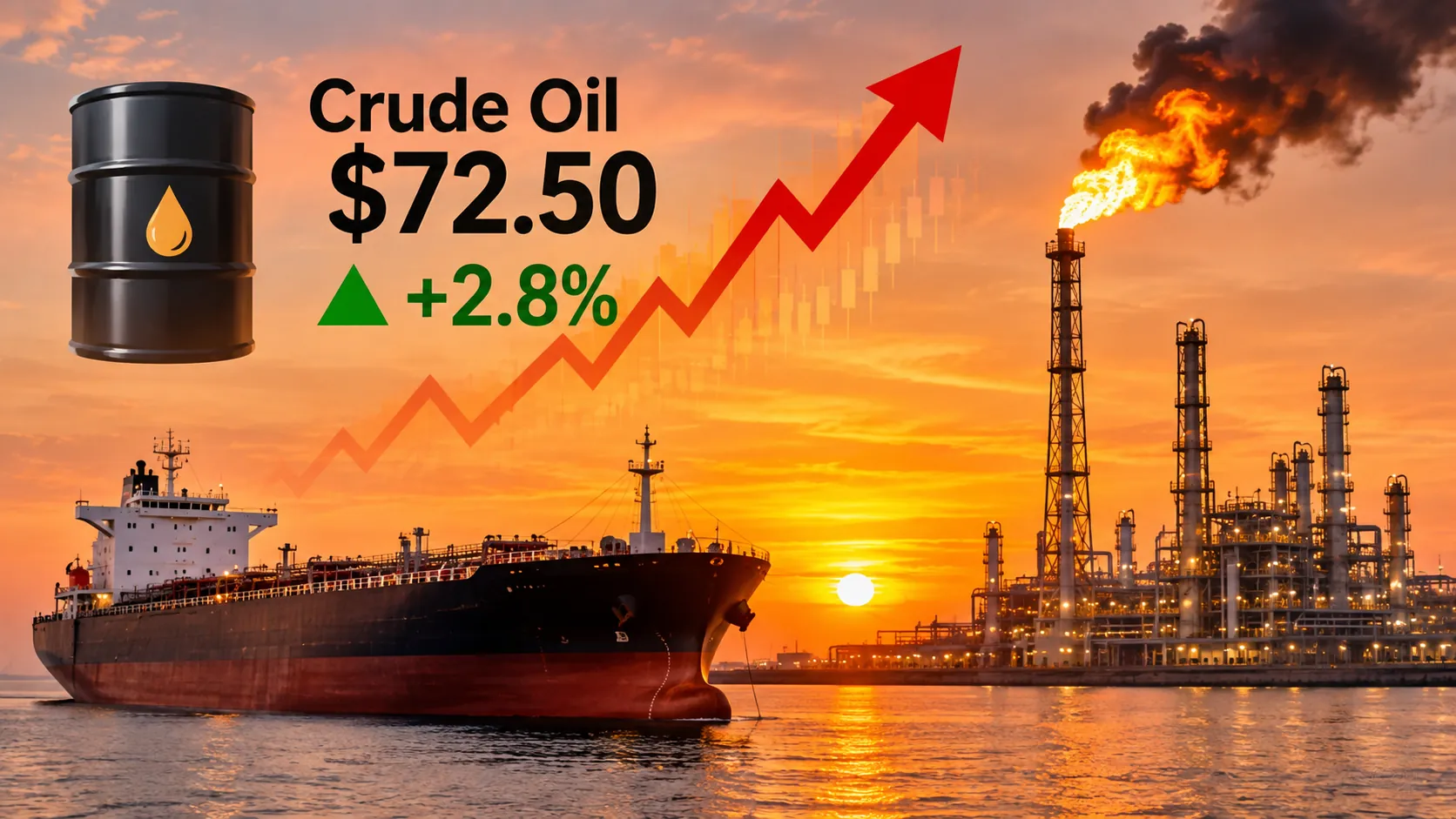
The reason this is trending in India is the price of oil. Brent crude settled at $108.79 on Tuesday, down 76 cents, after touching $111.99 earlier, a five-month high; US crude settled at $101.79. India imports most of its oil, and prices at that level feed through to petrol, inflation and the rupee. They also explain why news from Gulf shipping lanes moves Indian markets.
For now the diplomacy is stuck at the point where it started. Pakistan has the access, Iran has the stockpile, and the United States has the blockade. Each side wants the other to move first, and Munir's task was to find a first step that both could accept. On Tuesday's evidence he did not find it.
R
4 min
What did you think?