/
Nearly 90 million displaced people face severe climate risks, UNHCR warns ahead of COP31
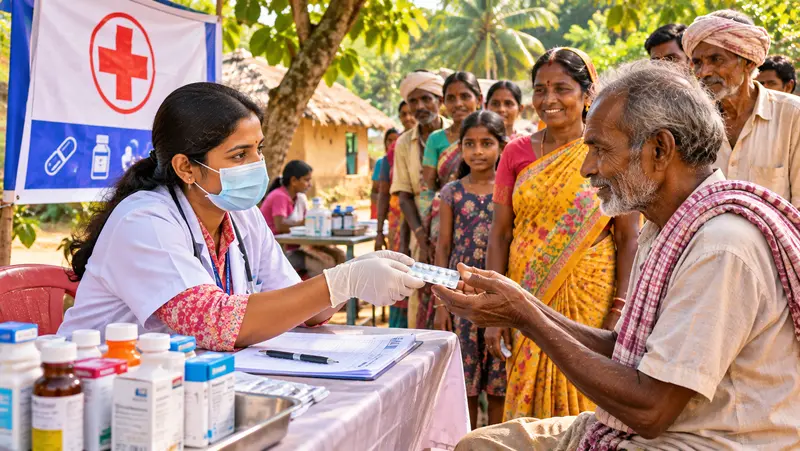
UNHCR's No Escape III, published on 6 November before COP31, says three in four displaced people, nearly 90 million, live in countries highly exposed to climate hazards. Fragile states hosting many refugees get only about 10% of climate funding. El Niño floods may displace up to three million.
S
5 min
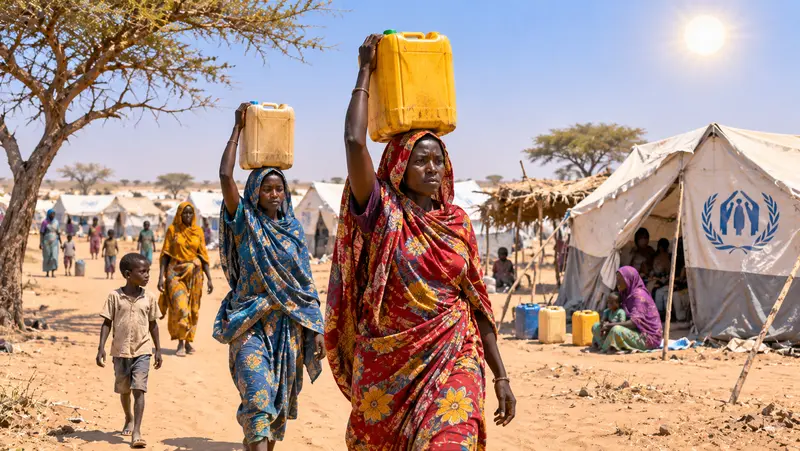
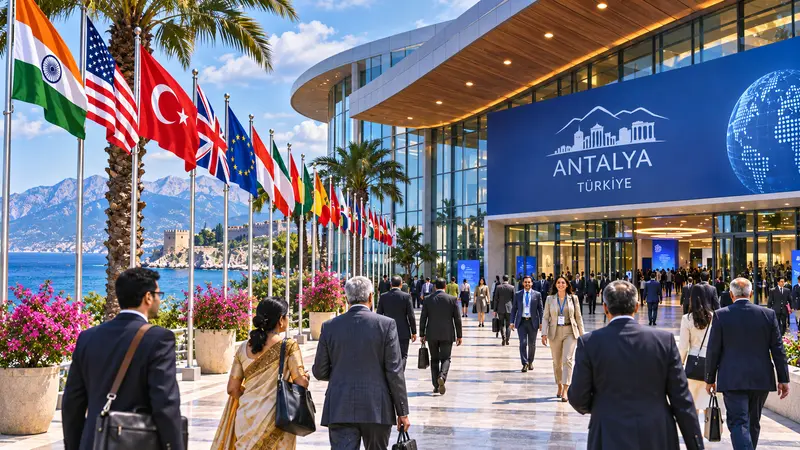
Three in four people forced to flee their homes, nearly 90 million, live in countries with high to severe exposure to climate hazards such as drought, floods and extreme heat, the UN refugee agency UNHCR said on 6 November 2026. Its report, No Escape III, was published ahead of the COP31 climate conference that opens in Antalya, Türkiye, on 9 November, and it warns that climate finance is failing to reach many of the communities most at risk.
"Refugees face a double injustice," said Antón Leis García, UNHCR's Assistant High Commissioner for Operations. "Forced to flee conflicts they did not cause, they are now on the frontlines of a climate crisis they have contributed least to."
The report's central point is that displacement and climate are no longer separate problems. For millions of people, the place they ran to is becoming the next emergency.
What the report found
| No Escape III | Finding |
|---|---|
| Displaced people in highly exposed countries | Three in four, nearly 90 million |
| Share of global climate funding going to fragile, conflict-affected hosts | About 10% |
| Refugee settlements in sub-Saharan Africa with 100+ days of dangerous heat by 2050 | One in three |
| Expected El Niño flood displacement by end-2026, in Somalia, Kenya, South Sudan and Uganda | Up to three million |
| Refugees returning home in early 2026 to highly vulnerable countries | More than two-thirds |
| Stateless people living in highly exposed countries | Nearly 90% |
The funding figure is the sharpest. Fragile and conflict-affected countries hosting large refugee populations receive only around 10% of global funding to address climate change, UNHCR says. These are the states with the least capacity to protect anyone from a flood or a failed harvest, and they carry the extra load of hosting people who have already lost everything.
Heat is the slow threat. By 2050, one in three refugee settlements across sub-Saharan Africa could face at least 100 days of dangerous heat each year. Tents and thin shelters offer little protection, and the sites are often placed on marginal land with little water or shade.
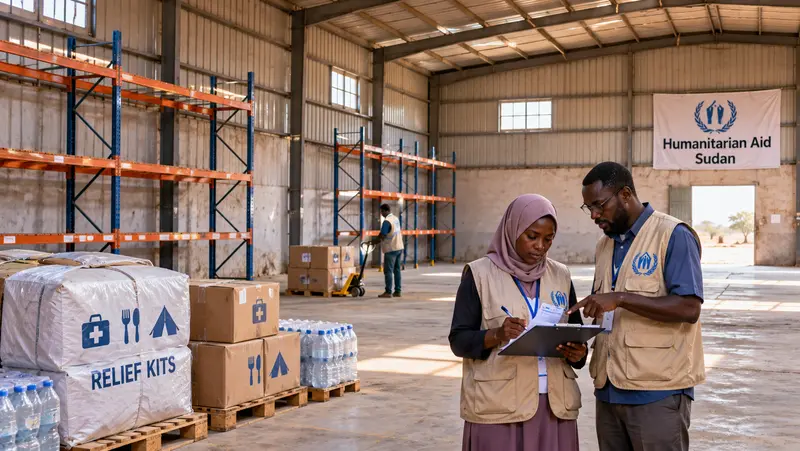
The report tells the stories of eight people from displaced communities. One is Monira Bahraldin, who fled El Fasher in Sudan's Darfur region in June 2023 and now lives in a settlement in eastern Chad, where drought and conflict are ever-present risks. The peak of the dry season there is hotter than in Darfur, she told the authors, and the walk to fetch water grows longer just as her family needs more of it.
Going home is not always safe
A familiar assumption is that displacement ends when people go home. UNHCR challenges that. More than two-thirds of refugees who returned in the first half of 2026 went back to countries that are highly vulnerable to climate hazards.
Syria shows how this works. Nearly four million people have recently returned, to a country where falling groundwater and severe climate shocks are threatening recovery after more than a decade of war. Flooding along the Euphrates River in May damaged homes and displaced thousands once again.
Stateless people face a further barrier. Nearly 90% of them live in highly exposed countries, and when disaster strikes, many struggle to get relief because they lack legal recognition. Without papers, a person can be left out of aid lists, compensation and evacuation plans.
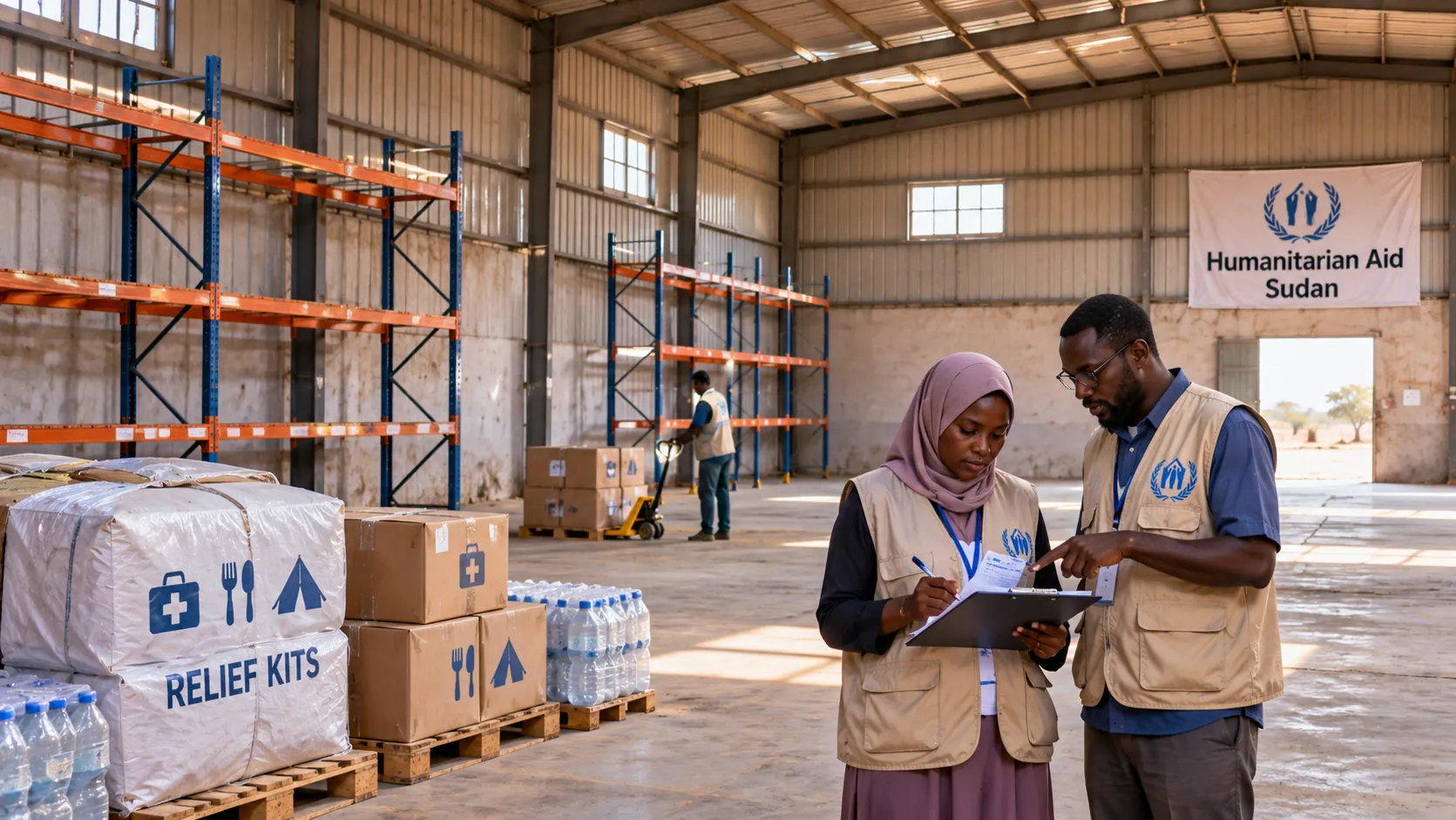
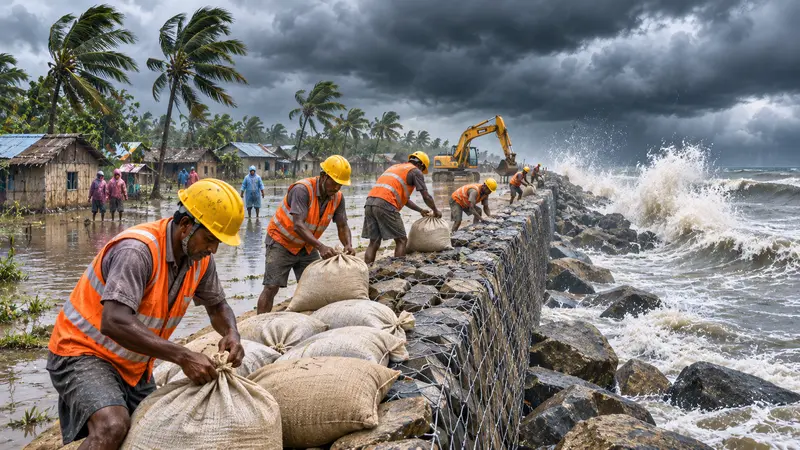
Weather-related disasters have triggered hundreds of millions of internal displacements over the past decade, UN figures show, and the current El Niño adds immediate pressure in East Africa, where flooding is expected to force up to three million people from their homes by the end of the year.
Why it matters
The timing is deliberate. Finance is the central dispute at COP31, along with adaptation and the just transition mechanism, and the World Bank reported this week that the poorest countries are paying the highest borrowing rates since 1989. UNHCR says plainly that the money does not follow the risk. Climate funds tend to go where institutions are strong and projects are easy to approve, which leaves out fragile states and, within them, people who are not citizens.
There are honest difficulties here. Donors worry about fraud, weak governance and security in conflict zones, and it is genuinely harder to run a long-term climate project in a war zone. Some governments are also reluctant to fund permanent infrastructure for refugees, fearing it signals that they will stay. However, UNHCR's argument is that these obstacles are a reason to design better channels, not to leave the most exposed people outside the system altogether.
The report also resists showing refugees only as victims. It highlights solar-powered water systems in the Sahel, climate-resilient farming in Uganda, and land and mangrove restoration in Colombia, all led by refugees and their hosts. "Refugees are on the frontlines of the climate crisis, but they are also part of the solution," Mr Leis García said.
For South Asia, the issue is close to home. Bangladesh hosts a very large Rohingya population in cyclone-prone Cox's Bazar, and the wider region is among the world's most exposed to floods and heat. Decisions on adaptation finance at Antalya will affect these communities as well.
UNHCR wants COP31 to be a turning point, recognising the leadership of displaced people and turning commitments into concrete investment. The tests will be specific: whether negotiators mention displaced people in decisions on adaptation and loss and damage, and whether the new funds allow money to reach fragile states and their refugee hosts directly.
Negotiations run from 9 to 20 November. The floods forecast for East Africa will not wait for them.
Sources
About the Author
S
Subhash Gupta
Desk Editor
Subhash Gupta is a writer at Wirony, contributing articles that are reviewed and verified by the editorial team before publication. The publication prioritises accuracy, editorial…
S
5 min
What did you think?