/
Home Ministry order redraws who is exempt from passport and visa rules: who gains and what paperwork stays
A 2026 Home Ministry order relaxes passport and visa rules for persecuted minorities from Afghanistan, Bangladesh and Pakistan who came by 31 December 2024, registered Sri Lankan Tamils, some Pakistani nationals and others. Nepal and Bhutan travel needs a listed ID. Exemption is not citizenship.
R
5 min
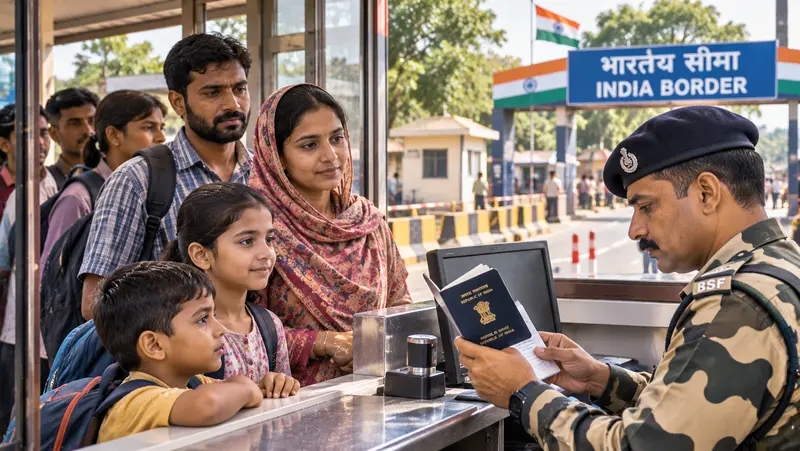
The Home Ministry has published the Immigration and Foreigners (Exemption) (Amendment) Order, 2026 in the Official Gazette, relaxing passport and visa requirements for several groups of foreign nationals living in India, including members of religious minorities from neighbouring countries, registered Sri Lankan Tamils and certain Pakistani nationals. The order, reported on 6 November 2026, also restates the rules for Indians travelling to Nepal and Bhutan, and for citizens of those two countries coming to India.
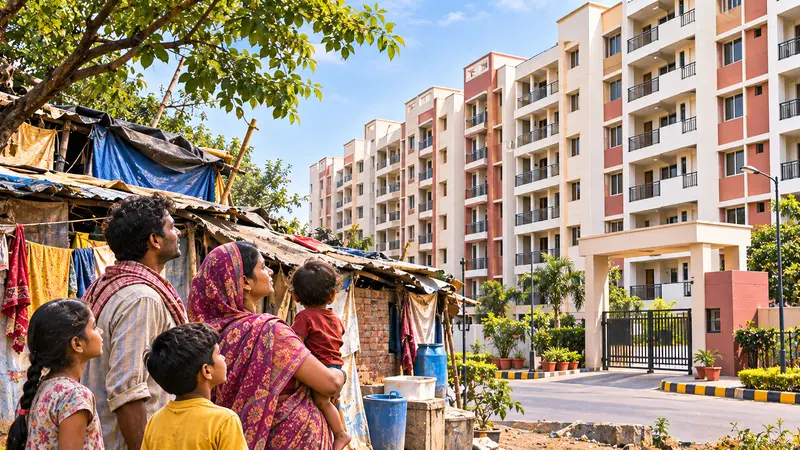
Most of the people it covers have been in the country for years. For them, the question is not how to enter India but how to stay here without being in breach of the law.
Who is covered
The Immigration and Foreigners Act, 2025 consolidated India's older laws on passports, foreigners and registration. It lets the government exempt classes of people from its requirements, and the ministry issued an Exemption Order in 2025. The new amendment adjusts that list, and it introduces a definition of the Visa Manual, the set of instructions on visas and immigration issued by the Centre from time to time.
The main groups in the order, as reported, are:
| Group | Condition |
|---|---|
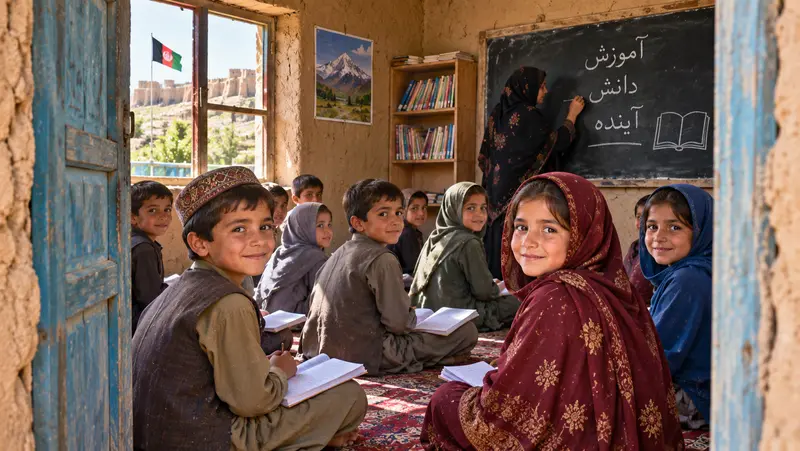
| Hindus, Sikhs, Buddhists, Jains, Parsis and Christians from Afghanistan, Bangladesh and Pakistan | Sought shelter from religious persecution or fear of it, and entered on or before 31 December 2024; must obtain an appropriate visa for continued stay |
| Registered Sri Lankan Tamil nationals | Took shelter in India up to 9 January 2015 |
| Certain Pakistani nationals | Entered on or before 31 December 2009 to reside permanently, and cannot renew passports because they lack Pakistan's Computerised National Identity Card |
| Certain Muslim men who were originally Indian citizens | Went to Pakistan between 15 August 1947 and 31 December 1965, and returned on or before 31 December 2009 |
| Persons of Indian origin with Malaysian or Singaporean citizenship | Returned on or before 31 December 2009 on passports that have expired and cannot be renewed |
| Indian Navy, Army and Air Force members | Travelling on official duty, with family on Government transport |
| Foreign crew of military vessels visiting for repairs | With valid military identification and Military Ship Repair Permits |
The ministry's order also names Tibetans among those covered, but the terms that apply to them were not spelled out in the report available.
Nepal and Bhutan travel
The provision that affects the largest number of ordinary travellers is the open border arrangement. Indian citizens travelling to Nepal or Bhutan by land or air are exempt from the passport requirement, provided they show one of the identity documents listed in the Visa Manual to an Immigration Officer and give any information the officer asks for. Similar provisions apply to citizens of Nepal and Bhutan entering or leaving India.
So this is not a matter of walking across with nothing. A traveller still needs an accepted document. The Bureau of Immigration says that citizens of Nepal and Bhutan must hold a Government-approved document proving nationality, and that a passport and visa are required when they arrive from China, Macau, Hong Kong or Pakistan. Travellers should check the exact list before flying, because airlines may be stricter than a land checkpoint.
Why it matters
For the groups in the table, the practical effect is relief from a legal limbo. A person whose passport has expired and cannot be renewed has been, strictly speaking, out of status. The Pakistani nationals in the order illustrate the point: their passports cannot be renewed without an identity card from a state they left more than 15 years ago. Elderly Muslim men who returned to India decades after Partition, and families of Indian origin with expired Malaysian or Singaporean passports, are in much the same position. These are small groups, but for each person the difference is between being able to open a bank account or see a doctor without fear, and not.
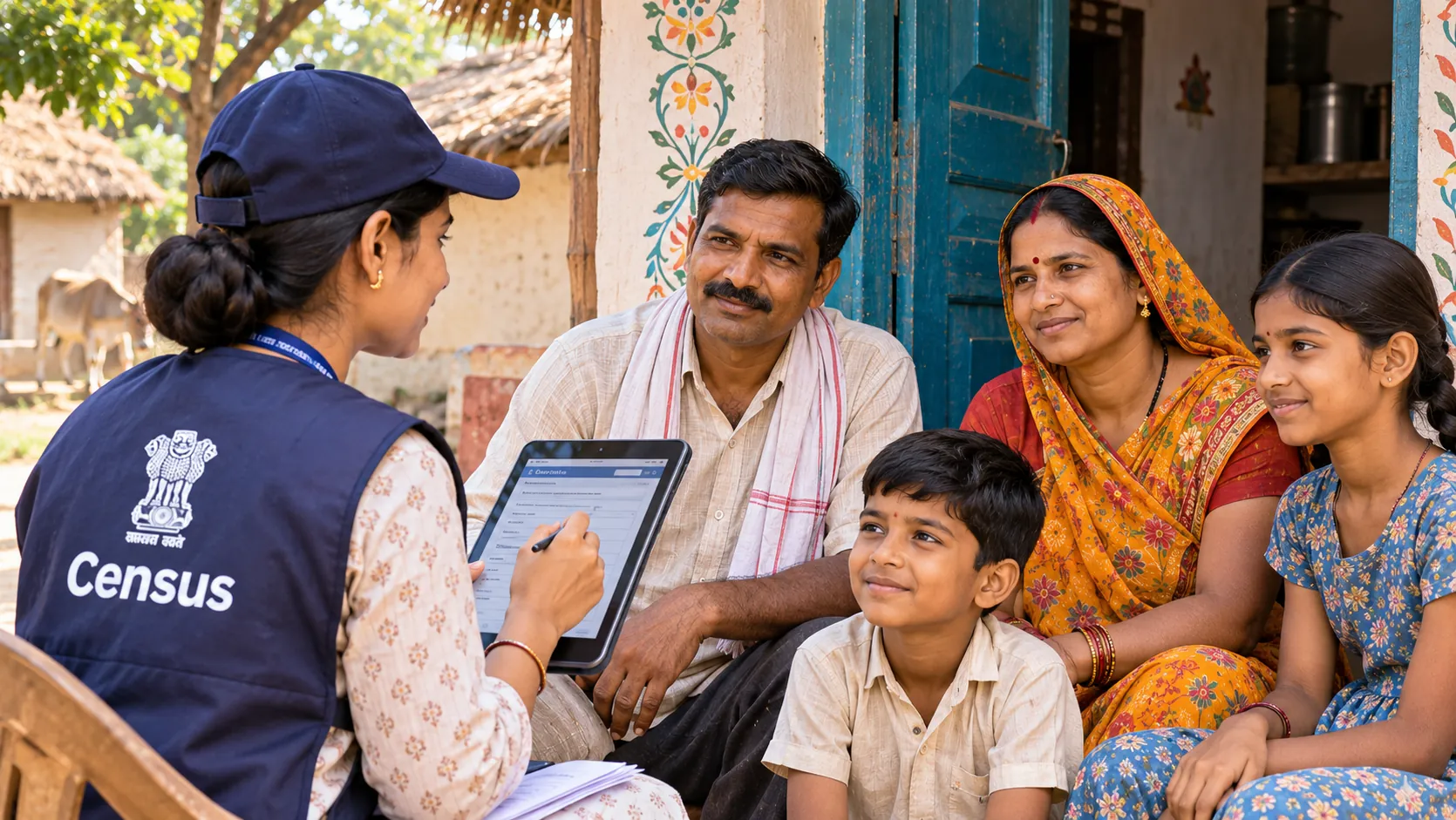
The 31 December 2024 date for persecuted minorities is the most closely watched part. It is ten years later than the 31 December 2014 cut-off in the Citizenship (Amendment) Act, 2019. That distinction is important. An exemption from passport rules allows a person to stay without being treated as an illegal entrant. It does not give citizenship. Those covered who came after 2014 are not, under the Act as it stands, eligible for the fast track to citizenship.
The religious list will draw the same objection as the 2019 Act. Critics argue that protection based on a list of faiths excludes persecuted Muslim groups such as Ahmadis, Hazaras and Rohingya, and raises questions of equality. However, the government's position has been that these three neighbouring states have a state religion or a history of persecuting the listed minorities, and that India has a particular responsibility towards them.
For Sri Lankan Tamils, the exemption gives some certainty to people who have lived for many years in Tamil Nadu, many of them in camps. Their long-term status, including any route to citizenship, remains a separate and unresolved issue.
The full gazette text was not available at the time of writing, so this account relies on the published summary of the order. Anyone affected should read the notification itself or consult a Foreigners Regional Registration Office.
Three practical points follow from what is known. The exemption generally requires that a person fall exactly within the stated dates and categories, so documents proving the date of entry are vital. The minorities group must still obtain the appropriate visa for continued stay. And the order does not settle citizenship, for which separate rules apply.
Those travelling to Nepal or Bhutan should carry the listed identity document, along with a backup. Advice on what counts can change, because the Visa Manual is issued and updated by the Centre, and that appears to be why the order now refers to it directly. This gives the government a way to adjust the details without a fresh gazette order, which is convenient for officials and is one more reason for travellers to check before they go.
Sources
About the Author
R
Reyaansh Agarawal
Staff Writer
Reyaansh Agarawal contributes to Wirony, covering stories that are carefully reviewed and approved by the editorial team before publication. Wirony is committed to maintaining tran…
R
5 min
What did you think?