/
COP31 in Antalya: national plans cut emissions just 6% by 2035, when 1.5°C needs 60%. What must be settled
COP31 runs in Antalya from 9 to 20 November, with Türkiye hosting and Australia leading negotiations. UN data show 2035 emissions on average 6% below 2019 under new plans, against the 60% needed for 1.5°C. Finance, a just transition mechanism and adaptation top the agenda. India's position matters.
P
5 min
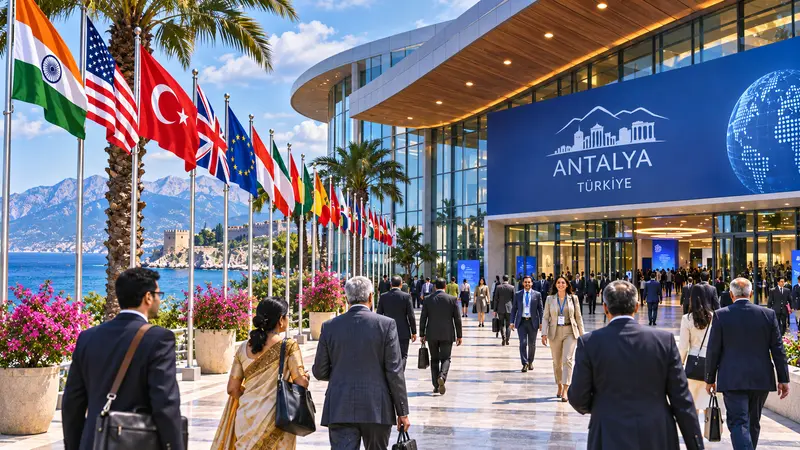
The 31st UN climate conference, COP31, opens in Antalya on 9 November 2026 and runs until 20 November, with more than 190 countries due to take part. Türkiye is the host and holds the presidency, and Australia leads the negotiations, working with Pacific island countries. It is an unusual split, and it comes at a difficult moment.
A UN synthesis published on 27 October shows why. The 127 new national climate plans submitted by 154 Parties, covering about 71% of 2019 global emissions, point to 2035 emissions on average 6% below 2019 levels, within a range of 0 to 12%. If conditional pledges are counted, the figure is about 9%. A pathway consistent with 1.5°C needs a cut of about 60%. On current plans warming is put at about 1.7 to 2.3°C.
The Paris Agreement's stated limit of 1.5°C is now slipping. In their fourth letter to Parties, the COP31 President of Negotiations and the Presidency team say the world is likely to exceed 1.5°C within a few years, with a peak of about 1.8°C in the best case. A conference cannot close that gap in two weeks. What it can do is agree rules and money that change what countries do next.
There are reasons for hope in the real economy. According to the UN, electric vehicles were about one in four new cars sold in 2025 and are expected to reach 28% in 2026. More than 600 GW of solar was installed in 2025, and global battery capacity is 11 times the level of 2021, with 108 GW added last year. But the benefits are unevenly shared. Emerging economies outside China receive only about 18% of clean energy investment, and about 600 million people in Africa remain without electricity.
The five fights to follow
Finance. The core issue, as at every recent COP, is who pays. Parties will discuss delivery of the New Collective Quantified Goal on climate finance, a climate finance work programme and how Article 2.1(c) of the Paris Agreement, on aligning finance flows, relates to Article 9, on what developed countries owe. Developing countries want the second kept in focus, and richer countries lean on the first.
Adaptation. Parties have committed to tripling adaptation finance, and work on the Belém Adaptation Indicators and the Belém-Addis Vision continues. The UN Environment Programme's latest Adaptation Gap Report put the annual need for developing countries at about $305 billion, well above current flows. The Adaptation Fund's transition is also on the table.
The just transition mechanism. Last year's conference agreed to create a mechanism to support workers and communities moving away from fossil fuels. At Antalya, Parties must decide its functions and governance. This may sound technical, but it will determine whether the idea has money and staff or only a name.
Mitigation. The Mitigation Work Programme has so far produced talk and few commitments. The presidency wants electrification treated as a priority. Countries most exposed to sea-level rise, including Pacific members, want stronger language on moving away from fossil fuels, and big fossil fuel producers will resist it.
Loss and damage, and the next stocktake. The Fund for responding to Loss and Damage is expected to move towards its first funding requests. The second global stocktake, the five-yearly review of progress, also begins, and it will set the stage for the next round of national plans.
Why it matters
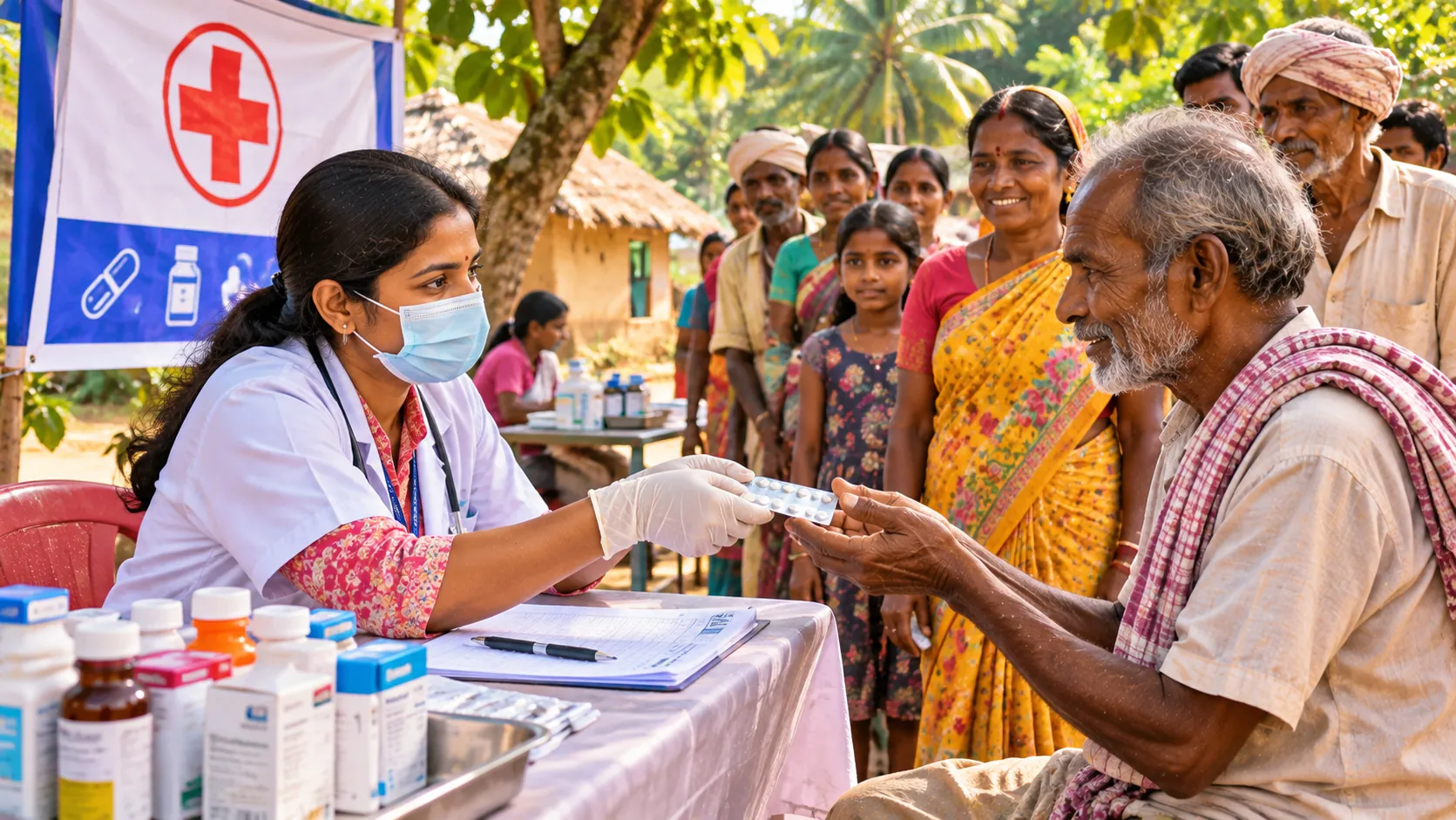
For most people, the outcome will not be felt as a line in a text. It will show up in the terms on which a country borrows to build solar farms or sea walls, in whether a coal-mining district gets support for new work, and in whether the next round of plans is stronger. The UN's numbers are a warning that small changes in average temperature bring larger changes in heat, floods and crop failure.
There is a sceptical view. Critics argue that 30 years of conferences have failed to bend the curve quickly enough, that consensus rules let any big producer block a strong text and that real change is now being driven by markets and technology. However, the same process produced the Paris Agreement and the reporting rules that make the gap visible at all. The fall in projected warming since 2015, even if it is not enough, owes something to it.
India's position
India goes to Antalya with a new plan. Its Nationally Determined Contribution for 2031-35, approved by the Union Cabinet in March and lodged with the UNFCCC, aims for about 60% non-fossil installed capacity by 2035 and a 47% reduction in the emissions intensity of GDP from 2005 levels. Non-fossil capacity has already crossed 300 GW, more than 54% of the total, though coal still supports over 70% of generation.
India will be closely watched on three issues. It has consistently pressed for climate finance from developed countries under Article 9. It has long argued for common but differentiated responsibilities, and for treating all fossil fuels alike and not singling out coal. It also has a direct stake in adaptation finance, given the country's exposure to heatwaves, floods and monsoon variation.
Ministers usually arrive for the final days, when the hardest trade-offs are made, and COPs often run late. The tests of success are specific. Is there a working design for the just transition mechanism? Is there a credible road to tripling adaptation finance? Do the first loss and damage funding requests move? Does the stocktake begin with clear inputs? And do major emitters signal stronger plans? Those answers will be known by the end of the conference, or a few days after, if it follows past form.
Sources
About the Author
P
Prateek Rawat
Staff Writer
Prateek Rawat is a contributor to Wirony. All articles published under this byline undergo editorial review and approval before publication, with any necessary corrections handled…
P
5 min
What did you think?