/
Stores looted in Frankfurt as Gen Z-led protests in 34 German cities turn violent
Protests by the group Gen Z Regelt in 34 German cities on 31 October turned violent in Frankfurt, where at least two stores were looted and windows smashed, and in Hamburg, where barricades were set alight. Authorities called the marches largely peaceful but warned extremists were exploiting them.
P
3 min
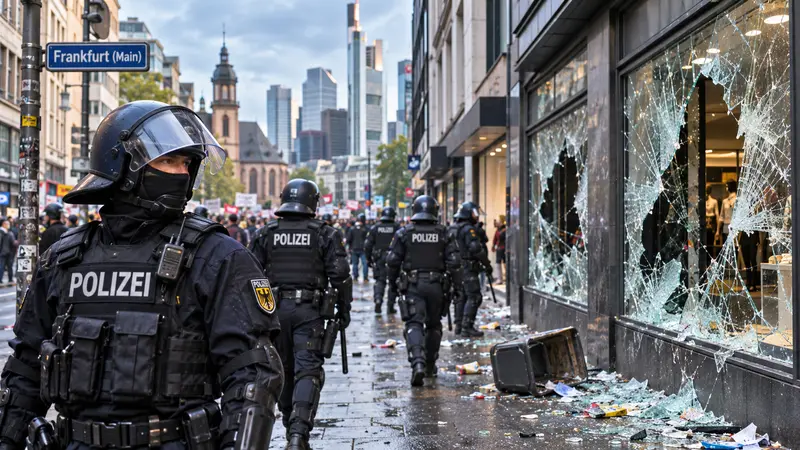
Protests organised by the campaign group Gen Z Regelt, whose name means Gen Z takes charge, turned violent in Frankfurt on Saturday, 31 October, as demonstrators marched in 34 German cities, including Berlin, Frankfurt and Munich. At least two stores were looted and several more were damaged in Frankfurt, according to a witness cited in the reports. Frankfurt police wrote on X that violent disturbances were continuing, that windows had been smashed at several shops in the city centre, and that Molotov cocktails were thrown at emergency services.
What happened in the cities
In Frankfurt, police were working to restore order after the looting. In Hamburg, some barricades were set on fire. German authorities described the demonstrations as largely peaceful. Some shops, including along Berlin's Kurfuerstendamm, boarded up their windows and closed early. In Cologne, police used water cannon, according to a separate report on the day's protests across Europe.
Turnout
Tens of thousands of people took part, according to the reports. Official figures were below the 182,000 that the organisers expected, with police in Frankfurt, Munich and Berlin reporting up to 18,000 protesters, about half of the roughly 36,000 listed on the organisers' website. Another report says that organisers had said 170,000 people registered for demonstrations in more than 30 cities.
Gen Z Regelt opposes compulsory military service and seeks more funding for education. A spokesperson, Lina Friedrich, said that the group stands against compulsory military service and favours a fairer distribution of the burden, with better health and education support. Some reports describe the goals as education funding and living costs. Questions have been raised about who leads the campaign and whether it is genuinely youth-led.
Germany's national school student umbrella organisation, the BSK, has distanced itself from the initiative and plans a separate protest day on 20 November.
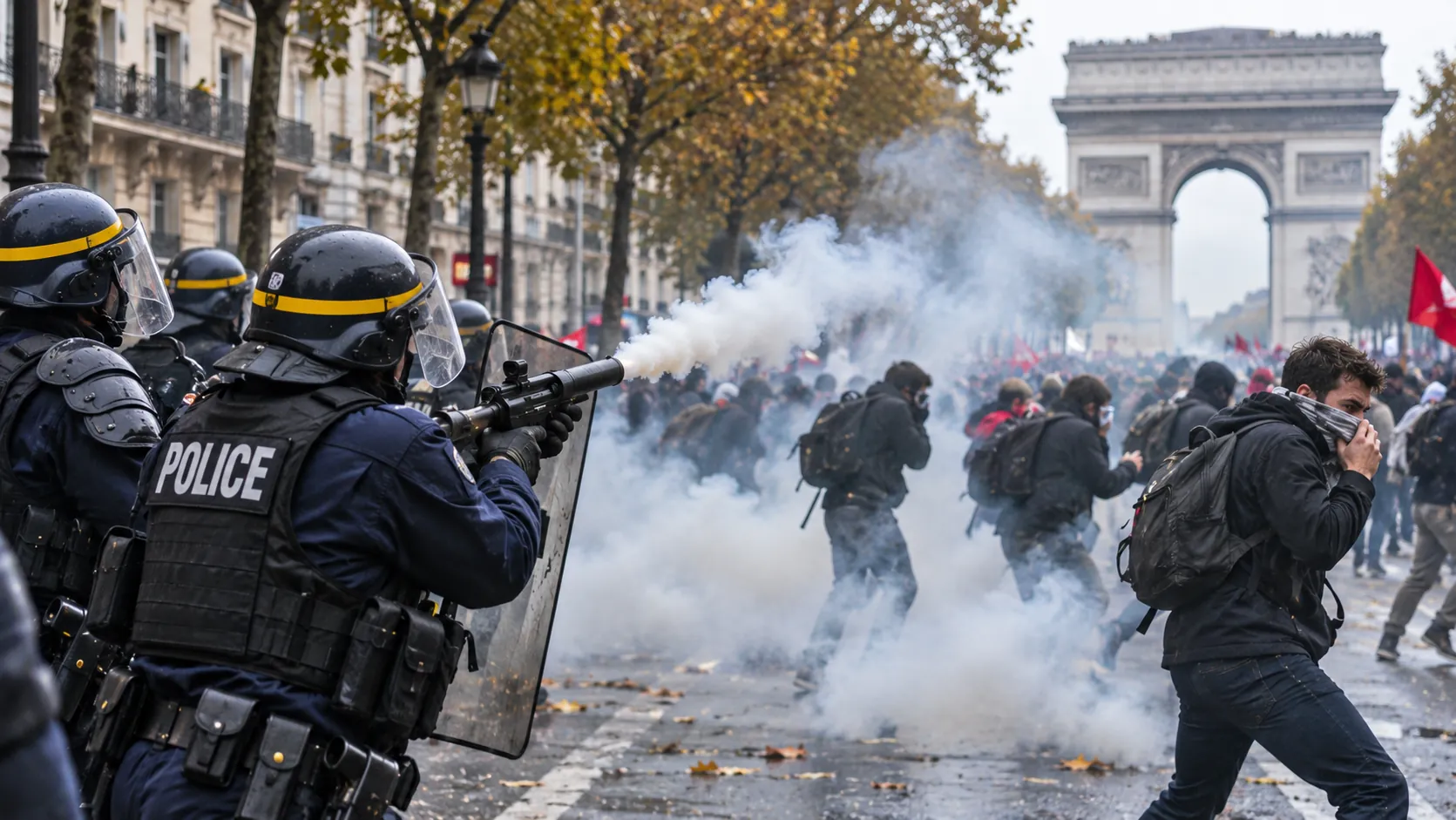
Hesse's interior minister, Roman Poseck, pointed to the unrest in France, saying that nobody wants the images from France: looting, burning houses, burning police vehicles and attacks on police officers. The federal interior ministry said that parts of Germany's far-left extremist scene and some groups linked to foreign extremist movements had joined efforts to mobilise support. German authorities warned that extremist groups were trying to exploit the movement.
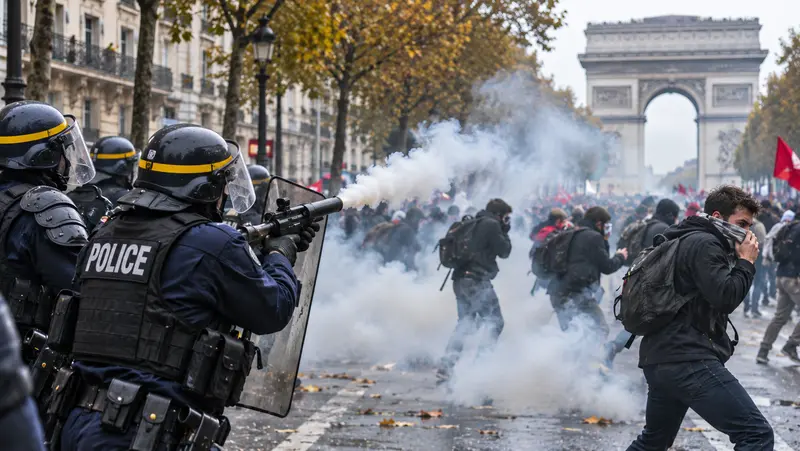
The protests came on the same day as large demonstrations in France, where authorities counted about 320,000 people and made at least 290 arrests. In Barcelona police prepared their highest alert level after riots on 24 October that led to about 130 arrests, mostly of minors, and Italian police were on alert after clashes in Milan, Turin and Bologna, according to one report.
The reports found do not give the number of people injured or arrested in Germany, and they do not give the value of the damage in Frankfurt. They do not say who carried out the looting, and one report says that Molotov cocktails were thrown, a claim that other reports on the day do not repeat. The figures are early reports from the day of the events.
P
3 min
What did you think?