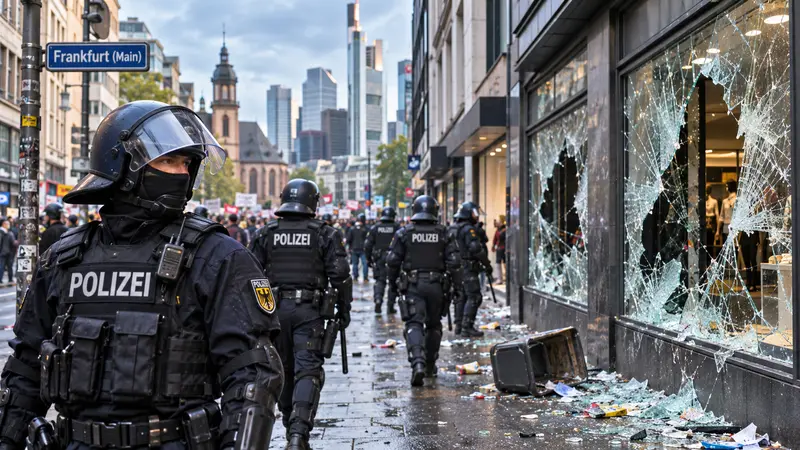
/
France's third weekend of protests: 320,000 march, tear gas in Paris and Lyon, at least 290 arrests
About 320,000 people, 70,000 in Paris, joined protests across France on 31 October, the third weekend running, over the cost of living and schools, authorities say. Police used tear gas in Paris and Lyon and at least 290 people were arrested. Organisers say nearly half a million marched.
R
3 min
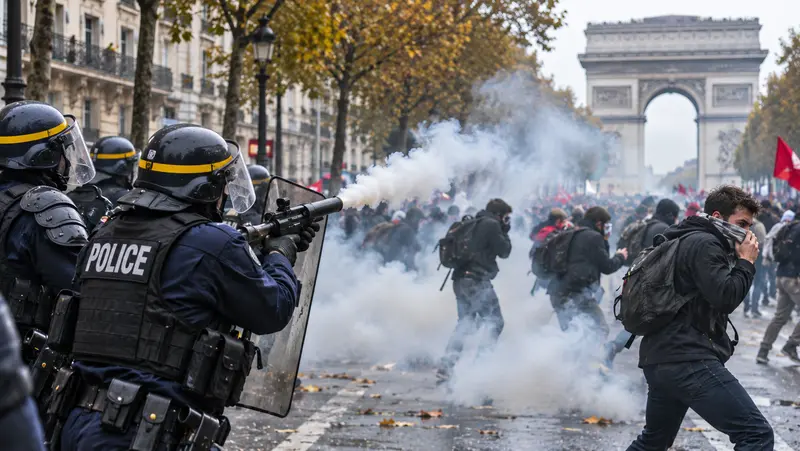
About 320,000 people joined protests across France on Saturday, 31 October, the third consecutive weekend of demonstrations, authorities say, including about 70,000 in Paris. A coalition of youth organisations and unions put the figure at nearly half a million, with 200,000 in Paris. Police fired tear gas in Paris and Lyon, clashes broke out in other cities, and the Interior Ministry said at least 290 people had been arrested nationwide. One report puts the arrests above 400 by early evening.
The clashes
The marches in Paris began peacefully but turned violent near the planned end point, where bins and street furniture were set alight. Masked people hurled paving stones at police on the outskirts of Paris, and at least one incendiary device was thrown at the security forces, who responded with tear gas and baton charges. Clashes also broke out in Marseille, Rennes and Toulouse, where demonstrators threw paving stones and petrol bombs at police, according to another report.
The security operation
About 70,000 police and gendarmes were deployed. Interior Minister Laurent Nunez warned of a very high risk of disorder. The main Paris march was moved to the eastern edge of the city after a court battle, and unaccompanied minors faced a 9 pm curfew around the Champs-Elysees.
Protesters cited the cost of living, rising fuel prices and the state of schools. The movement began the previous month with high school students protesting neglected buildings, teacher shortages and a university admissions system that they see as unfair to disadvantaged students. Labour unions later joined.
| Date | Turnout (government figures) |
|---|---|
| 17 October | More than 500,000 (a report puts it at 550,000) |
| 24 October | 410,000 |
| 31 October | 320,000 |
The protests on 17 October turned into some of France's worst rioting in years, and shops in Paris were looted. Turnout has fallen each week, though the clashes on 31 October were again serious.
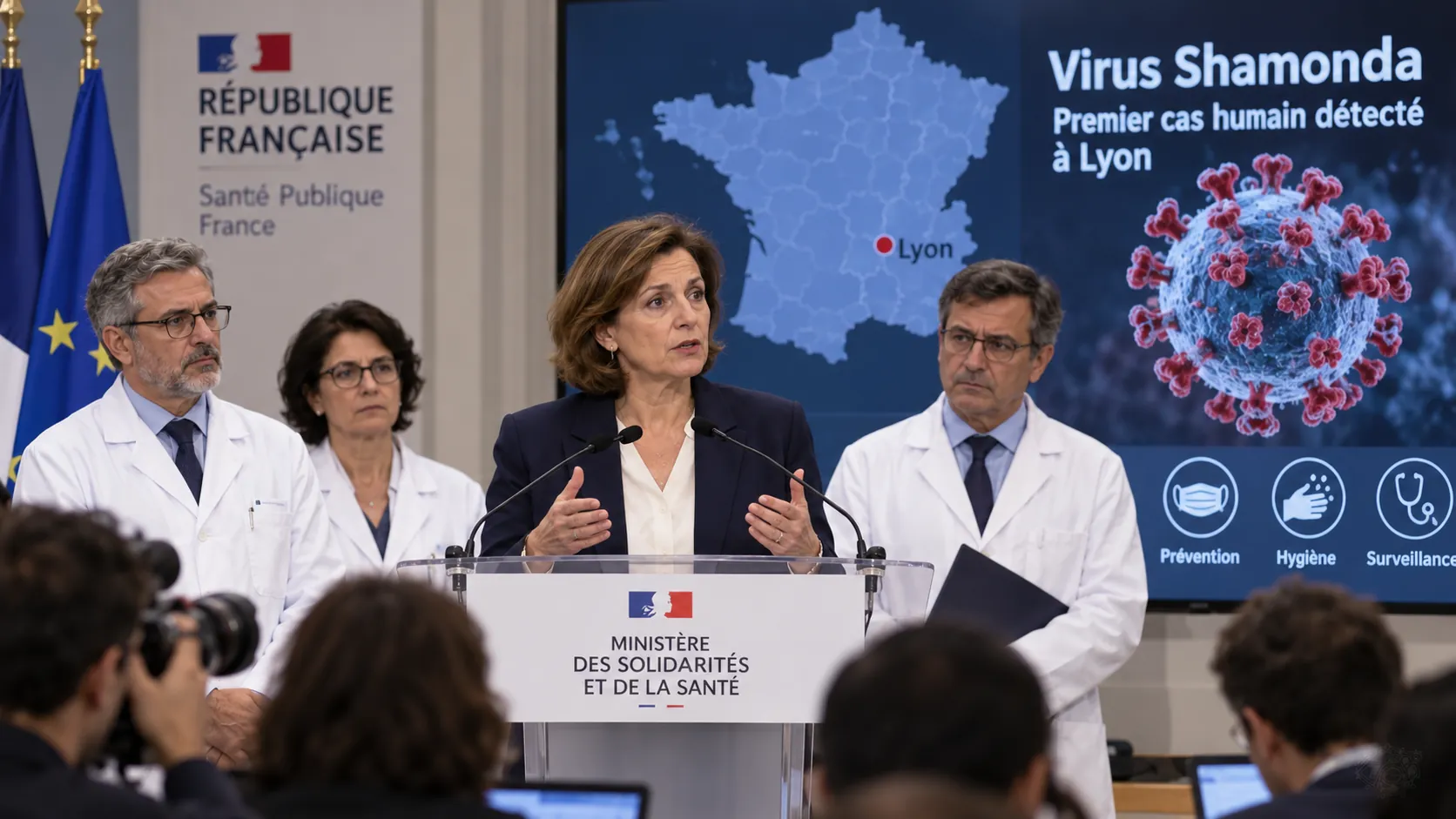
Prime Minister Sebastien Lecornu held several meetings with student unions this week and is considering measures to ease the cost of living. One report says President Emmanuel Macron said his government would announce strong measures in response to the violent protests, and that unions called a strike for 5 November, but those claims are not in the main account of the day and could not be matched with a second source.
In Germany thousands rallied, and police in Cologne used water cannon, and organisers there said that 170,000 people had registered for demonstrations in more than 30 cities. In Barcelona police prepared their highest alert level after riots on 24 October led to about 130 arrests, mostly of minors. Italian police were on alert after clashes in Milan, Turin and Bologna.
The reports found give two sets of arrest figures, at least 290 and more than 400, and two sets of turnout figures, 320,000 from the authorities and nearly 500,000 from the organisers. They do not give the number of injured police officers or protesters, or the value of the damage.
R
3 min
What did you think?