/
Trump names immigration hardliner Stephen Miller as Chief of Staff after midterm losses; Wiles steps down
President Trump named Stephen Miller the 33rd White House Chief of Staff on 6 November, succeeding Susie Wiles, the first woman in the job. Miller, 41, a key architect of hardline immigration policy, takes over on Monday. The change follows Republican losses in Congress and matters for H-1B workers.
S
5 min
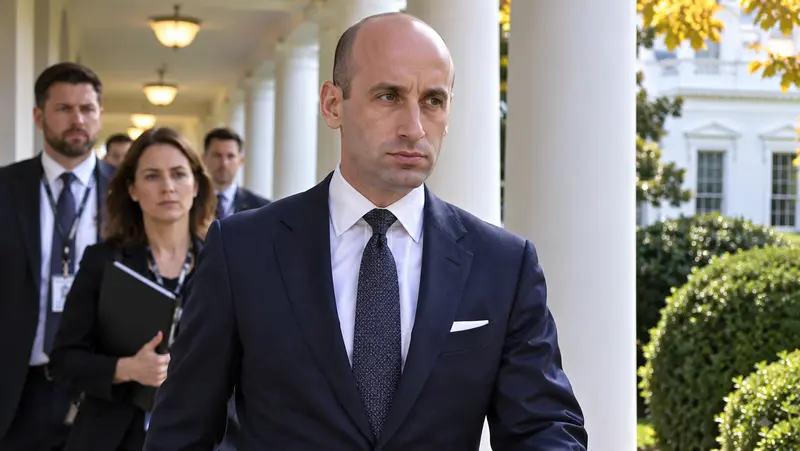
US President Donald Trump on 6 November 2026 named Stephen Miller as the 33rd White House Chief of Staff, succeeding Susie Wiles, the White House announced. Mr Miller, 41, currently a Deputy Chief of Staff, is one of the President's closest aides and a key architect of his hardline immigration policies. He is scheduled to take up the role on Monday.
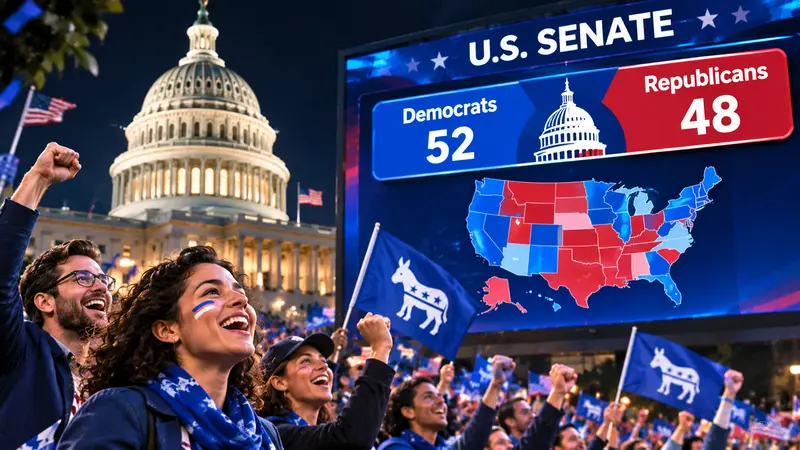
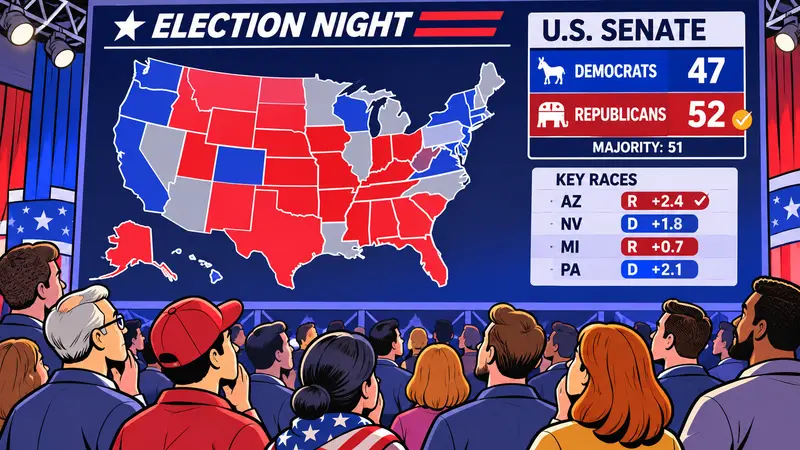
The change comes three days after the midterm elections in which the Republican Party lost control of both chambers of Congress. Mr Trump praised Ms Wiles, saying she had done a very good job, and added that changes were sometimes necessary.
Who he is, and what the job does
The Chief of Staff runs the White House. The post controls who sees the President, what papers reach his desk and how decisions move through the government. It does not need Senate confirmation, and a strong occupant can shape the whole administration.
Ms Wiles, the first woman in the role, was widely credited within the administration with bringing order. In the White House announcement, Vice President JD Vance, Secretary of State Marco Rubio and other Cabinet members thanked her. Secretary of Agriculture Brooke Rollins cited her role in Mr Trump's comeback and her place in history as the first woman to hold the job. The White House described her tenure as highly successful and did not give a reason for her departure.
Mr Miller has been with Mr Trump since the first campaign and held a senior advisory post during the first term. The White House says that he has been a driving force behind the administration's achievements on crime, the border and fraud. Mr Vance called him an amazing patriot. Secretary of War Pete Hegseth called him a true America First fighter who never backs down.
That description is accurate from both sides. Mr Miller's reputation is built on his willingness to push policy to its legal limits. Supporters see a man of unusual energy and conviction who gets things done. Critics, including civil rights groups and many Democrats, see the author of some of the harshest measures of the Trump years, including on family separation and on legal immigration.
Why it matters
Moving Mr Miller from a policy role to the top staff job sends a clear signal. After a heavy defeat, a president might choose a conciliator who can work with a hostile Congress. Mr Trump has chosen his most ideological aide. The likely implication is a White House that governs more by executive action, where the President's power does not depend on Congress, and that prepares to fight House and Senate investigations from January.
Democrats, who will control committees and budgets, will now have a clearer opponent. Republicans who are worried about 2028 may be uneasy. Moderates in the party will ask whether the midterm result called for a change of course, and this appointment suggests the President's answer is no. However, some within the administration will argue that a disciplined, loyal chief is what a president needs in his final two years, and that a tough approach on immigration remains popular with his voters.
For Mr Miller himself, the promotion brings a wider brief. A Chief of Staff has to manage the economy, foreign crises and the Cabinet as well as his favourite cause. How he handles the Gulf, Ukraine and the markets will be tested almost at once.
What it means for Indians
Immigration is where this will be felt most directly by Indians. Indian nationals are the largest group of H-1B workers, and the administration has already reshaped that visa. A proclamation of September 2025 imposed a $100,000 payment on certain H-1B petitions, and a further proclamation in September 2026 renewed it, with a companion order directing agencies to weigh employers' layoffs of similar American workers. A rule that took effect in February 2026 replaced random selection with a process weighted by wage level. The White House said that H-1B registrations fell by almost 40% and that the payment had been made for over 700 petitions. A federal court in Massachusetts vacated guidance on the fee in June 2026, and the government has appealed.
Mr Miller has long argued for sharp cuts in legal as well as illegal immigration. His promotion does not change any rule by itself, and the announcement says nothing on visas. But the person who sets the President's daily agenda will now be someone who considers this a defining cause. Indian students, technology workers and families waiting for green cards have reason to watch for further executive action, and companies dependent on Indian talent will take note.
New Delhi will also be attentive, because the relationship with Washington has had friction this year over trade and over Russian oil. A Chief of Staff with a narrower view of alliances, and a sharper view of immigration, may influence how those disputes are handled, although Mr Rubio and the State Department remain the direct channel.
Mr Miller is due to begin on Monday. The first signals to watch are who replaces him in his policy roles, whether other senior staff leave after the midterm defeat, and what executive orders emerge before the new Congress sits in January.
Ms Wiles's next step has not been announced. Colleagues wished her well in her next chapter. A White House that lost one of its calmest operators just after its worst election night has made a choice about the kind of final two years it intends to have.
Sources
- President Trump Names Stephen Miller as 33rd White House Chief of Staff (The White House)2026-11-06
- US President names Stephen Miller as new White House Chief of Staff (All India Radio)2026-11-07
- Fact Sheet: President Trump Further Enhances Program Integrity and Interagency Coordination in the H-1B Visa Program (The White House)2026-09-18
About the Author
S
Subhash Gupta
Desk Editor
Subhash Gupta is a writer at Wirony, contributing articles that are reviewed and verified by the editorial team before publication. The publication prioritises accuracy, editorial…
S
5 min
What did you think?