/
Iran sends US a nuclear proposal through Qatar with seven demands, says Hormuz stays shut until they are met
Iran has sent the US a nuclear proposal through Qatar, but says talks start only after seven demands, including lifting sanctions, freeing assets and war reparations, are met. It warns Hormuz stays closed until then. Washington wants nuclear issues in any first talks. Why India's fuel is exposed.
S
5 min
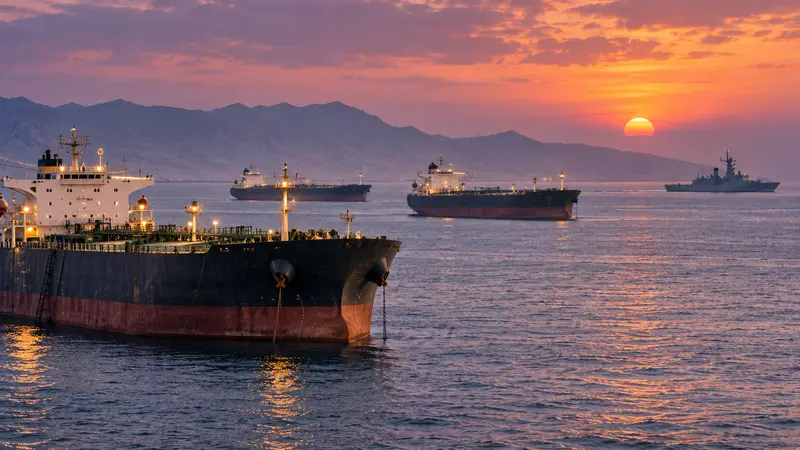
Iran has sent the United States a nuclear proposal through Qatar, but says discussions will begin only after Washington meets seven demands, according to a report by India's state broadcaster on 6 November 2026. Iranian officials have demanded the lifting of US sanctions, the release of frozen Iranian assets and war reparations, among other conditions. Tehran has also warned that it will not reopen the Strait of Hormuz or negotiate until those demands are met.
The conditions were repeated by senior security official Mohsen Rezaei during a visit to Russia. Washington, for its part, insists that nuclear issues must be part of any initial negotiations. Mediators have stepped up efforts amid fears of renewed fighting, and President Donald Trump has not ruled out resuming military operations after the midterm elections, which have now taken place.
So the two sides have each stated a first step, and each has placed it at the other's end of the table.
How the standoff got here
The seven conditions are not new. On 4 October, Parliament Speaker Mohammad Baqer Qalibaf said the strait would not reopen until seven conditions based on the Islamabad Memorandum of Understanding, an interim agreement reached in June, were met. That memorandum helped to bring about a brief ceasefire, and it included provisions on Hormuz and on Iran's nuclear programme.
The ceasefire did not last. On 9 July, UN News recorded that renewed hostilities had brought shipping in the strait to a near-standstill, with around 6,000 seafarers stranded. The US blockade of Iranian ports resumed that month. The White House said in August that American forces controlled the strait, that nearly 1,500 commercial vessels had moved through under US protection and that Iran had exported no oil since the blockade resumed. Those are US claims. Iran has accused the United States of aggression and of armed interference with its commercial vessels.
There is an obvious contradiction in the public record. Tehran speaks of a closed strait that it will reopen on conditions. Washington has said that the strait is open under its protection. Both are describing a waterway in which traffic is restricted and dangerous, and in which neither side has full control of events.
Only three of the seven demands have been named in the accounts available. The full list has not been officially published, so it is not possible to judge how far the rest go.
What each side wants first
Iran's order of events is that the United States first lifts pressure, and then talks follow. That would give Tehran sanctions relief, access to frozen funds and compensation before it makes any concession. The strait is its strongest card, and it is not offering to give that up at the start.
America's position is that the nuclear issue cannot be pushed aside. If talks begin with shipping and sanctions alone, Washington would lose its hold on the issue at the centre of the dispute. From the American side, paying reparations to an adversary would be close to politically impossible in any case.
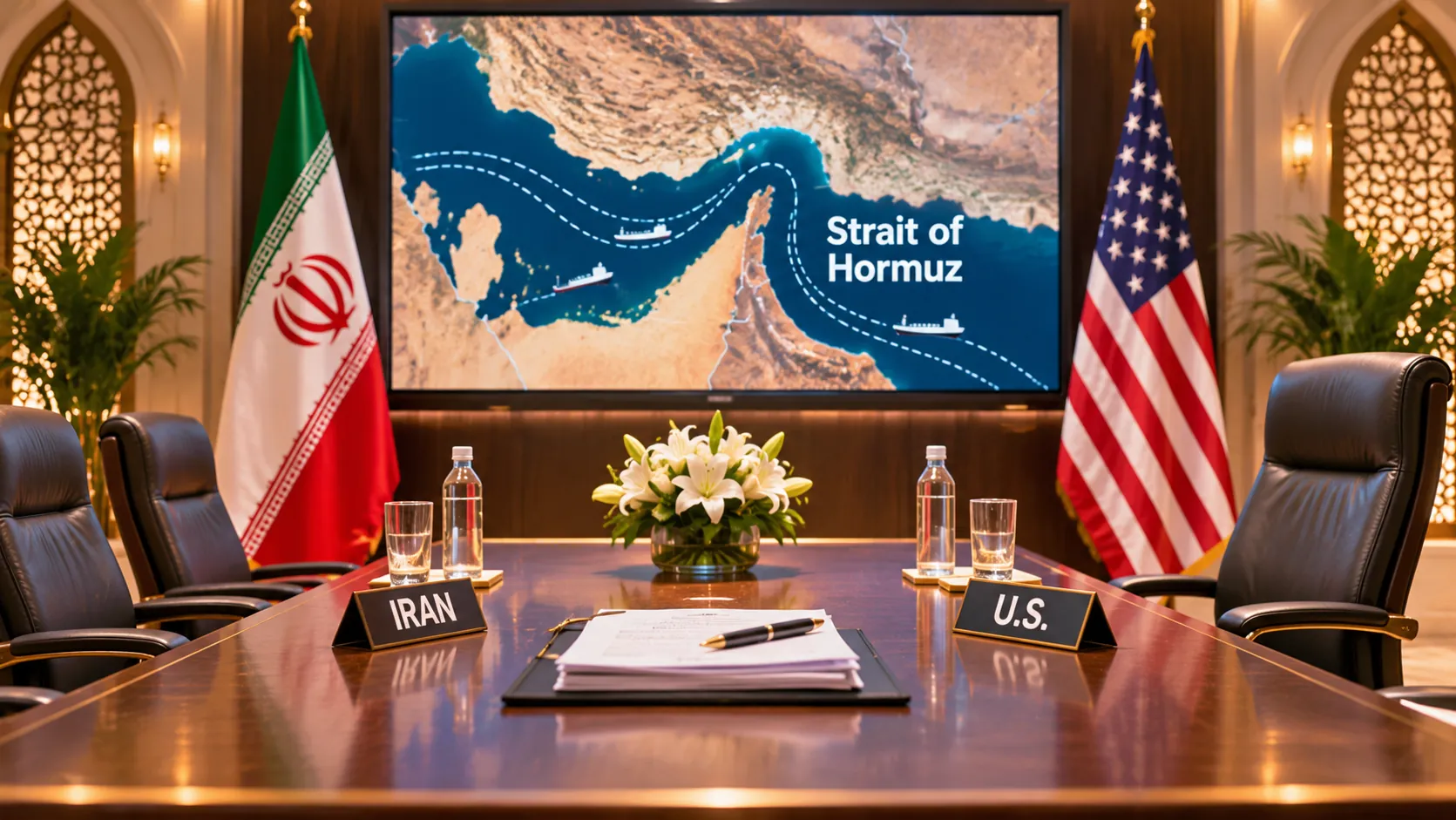
Qatar's role as go-between matters, because it talks to both, hosts a major US base and shares a huge gas field with Iran. Mr Rezaei's trip to Russia suggests that Tehran is also looking for backing beyond the Gulf.
Critics in Washington will argue that the proposal is a delaying tactic that buys Iran time while keeping oil markets nervous. However, the fact that a text has been sent at all, after months of hostility, gives mediators something to work with. Sending a proposal with impossible conditions is often how a negotiation opens.
Why it matters
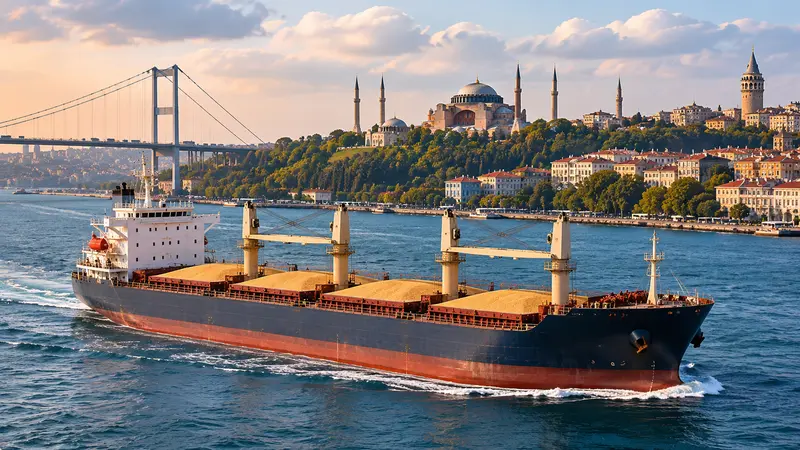
The International Energy Agency says that about 20 million barrels a day of crude oil and products moved through Hormuz in 2025, around a quarter of world seaborne oil trade, with 80% of it heading to Asia. Pipeline routes can divert only 3.5 to 5.5 million barrels a day. Nearly 20% of global LNG exports, from Qatar and the UAE, also depend on the strait. China, India and Japan are the main buyers.
India's exposure has changed in the crisis. The Petroleum Ministry said in March that about 70% of crude imports were being secured from routes outside the strait, compared with about 55% earlier, and that crude came from 40 countries. Cooking gas is the weaker point: India imports about 60% of its LPG, and officials have said that about 90% of those imports came through Hormuz, which is why new cargoes have been arranged from the United States, Norway, Canada, Algeria and Russia.
Prices react quickly. Brent traded at about $96.71 on 5 November, after steep losses a day earlier on hopes of easing tensions, and well below the $108 average the Bank of England recorded in the weeks to 27 October. Indian shares have rallied partly on those hopes. A breakdown would hit that optimism fast, along with the rupee, fuel subsidies and inflation.
Four signals will show which way this goes. The first is any official US reply, public or through Qatar. The second is whether the full seven-point list is published. The third is whether Mr Trump moves from words to action now that the midterm elections are over, since a Congress controlled by Democrats may press him on war powers from January. The fourth is shipping itself: the number of vessels passing through Hormuz is a better guide to the real state of affairs than any statement.
For now, a proposal is on the table, and so are the conditions that could stop it being discussed.
Sources
About the Author
S
Subhash Gupta
Desk Editor
Subhash Gupta is a writer at Wirony, contributing articles that are reviewed and verified by the editorial team before publication. The publication prioritises accuracy, editorial…
S
5 min
What did you think?