/
Magnitude 4.7 quake recorded; Assam’s Nagaon hit by 4.5 tremor at 4:23 am
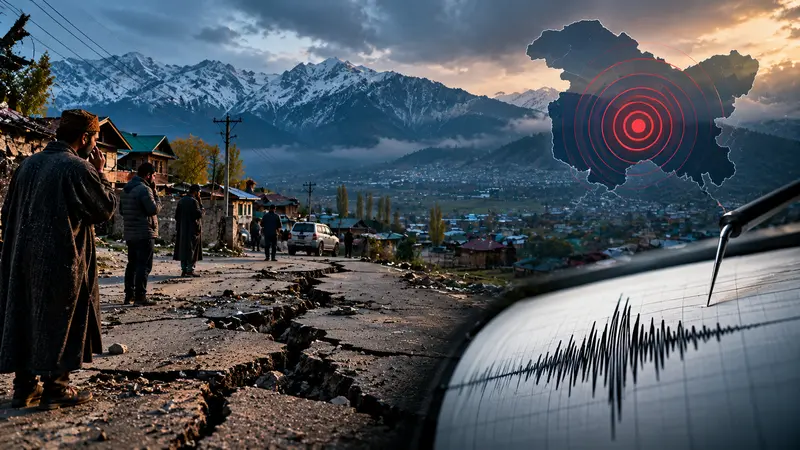
A magnitude 4.7 earthquake was recorded early Tuesday, 6 October, triggering a rush for “earthquake near me” information. In India, a 4.5 quake hit Assam’s Nagaon at 4:23 am IST, with no casualties or damage reported.
P
3 min

A magnitude 4.7 earthquake was recorded early Tuesday, 6 October, prompting many residents to search for information about tremors “near me” as phones lit up with alerts and social media posts.
In India, one of the strongest reported shakes in the early hours was centred in Assam’s Nagaon district, where a magnitude 4.5 quake struck at 4:23 am IST at a depth of 33 km. No casualties or damage were reported in the immediate aftermath, as authorities and local officials assessed the situation.
A separate, smaller tremor was logged minutes later in Manipur’s Tamenglong district. That earthquake measured 2.9 in magnitude, occurred at 4:27 am IST, and was recorded at a depth of 12 km.
The cluster of early-morning events added to a busy global slate of minor quakes recorded on 6 October, including small tremors reported in parts of Italy and Australia. A mid-4 magnitude event in eastern Indonesia.
Assam tremor felt before dawn
The Assam quake’s epicentre was located at latitude 26.428 North and longitude 93.060 East, with the depth placing it well below the surface but still shallow enough to be felt in nearby areas. Residents in and around Nagaon reported being jolted awake, though early official updates indicated no reports of injuries.
Assam and the wider Northeast lie in a high seismic zone, and tremors of this size are not unusual. Even so, a pre-dawn quake can cause alarm because people are indoors and asleep, and because the first question is often whether a stronger aftershock might follow.
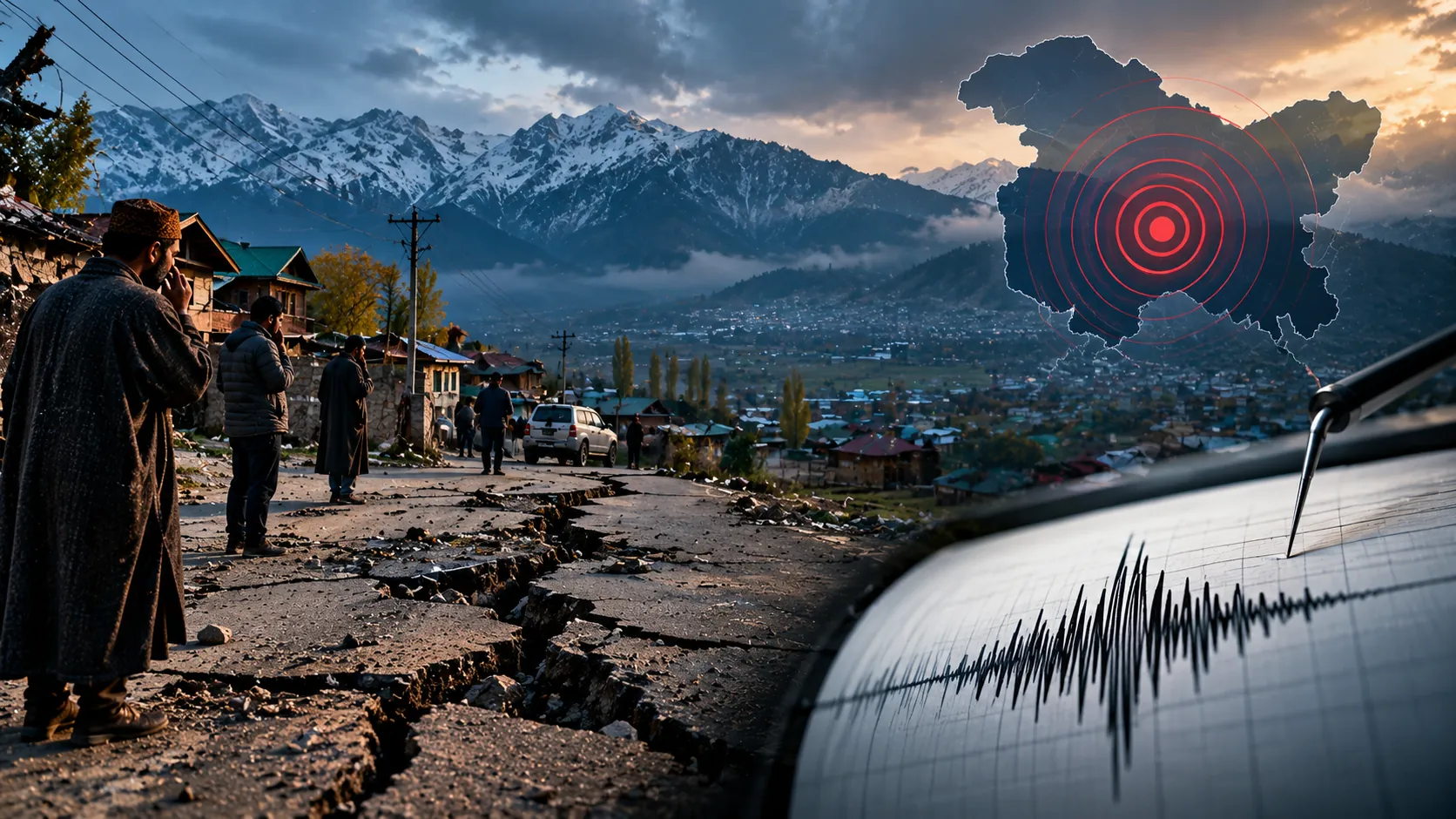

Emergency and disaster-response systems typically treat the first hours after any tremor as a period for rapid checks: verifying whether buildings, bridges and essential services have been affected, and confirming whether any remote areas have reported damage. In Nagaon, initial information available Tuesday morning did not indicate any disruption.
How to check what shook “near me”
In India, the National Center for Seismology maintains a live earthquake log and publishes event details such as magnitude, time, depth and coordinates. Residents can also use official felt-report tools where available to share whether shaking was noticed in their area.
Outside India, widely used public earthquake feeds include global maps that list events by time and magnitude, as well as regional monitoring portals that may provide faster updates for nearby seas and fault zones.
Early Tuesday’s reports also included a magnitude 2.5 tremor in Una district of Himachal Pradesh late on 4 October at 11:48 pm IST, recorded at a depth of 9 km. While much smaller than a mid-4 event, shallow quakes can still be felt locally, particularly in quiet night-time conditions.
Globally, other small earthquakes logged on 6 October included a minor 1.9 event near Pozzuoli in Italy and an unconfirmed 1.6 tremor east of Port Hedland in Western Australia. In Indonesia, a magnitude 4.6 earthquake was reported off Southwest Sumba, East Nusa Tenggara, with no tsunami threat flagged in early updates.
For residents who felt shaking on Tuesday morning, the next updates to watch are any revised magnitude readings, confirmation of the nearest towns that reported being affected, and whether aftershocks are recorded. Officials generally advise the public to follow local disaster-management guidance, avoid rumours, and report any visible structural damage through the appropriate channels so it can be checked quickly.
About the Author
P
Prateek Rawat
Staff Writer
Prateek Rawat is a contributor to Wirony. All articles published under this byline undergo editorial review and approval before publication, with any necessary corrections handled…
P
3 min
What did you think?