/
Diwali Muhurat trading on 8 November: 2.20 pm to 3.30 pm, after a seven-session rally. What it is and is not
NSE and BSE will hold the special Muhurat trading session on Sunday 8 November from 2.20 pm to 3.30 pm, opening Samvat 2083. Trades carry normal settlement obligations. The session follows seven straight gains, with the Sensex at 81,028 and the Nifty at 25,030. It is symbolic, yet trades are real.
P
4 min
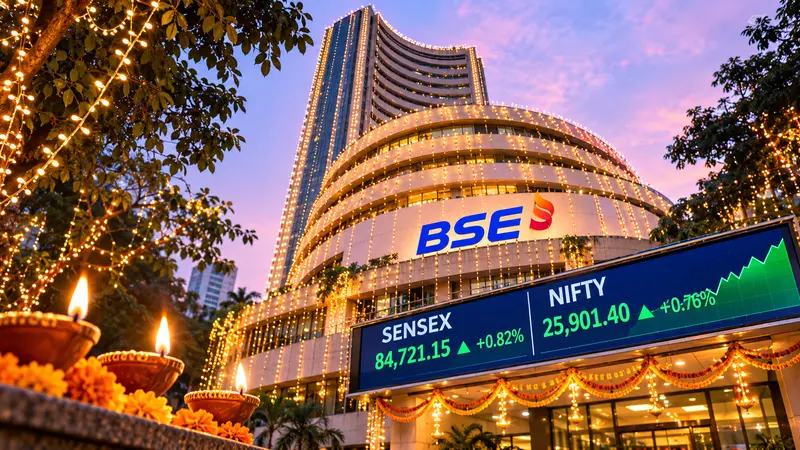
The National Stock Exchange and the Bombay Stock Exchange will hold their special Diwali Muhurat trading session on Sunday 8 November 2026. According to the exchanges' circulars, markets will open at 2.20 pm and close at 3.30 pm. The session marks the start of the new Hindu financial year, Vikram Samvat 2083, which begins on Diwali.
It is the one day when Indian exchanges open on a Sunday for a ritual. This year it comes at the end of an extraordinary week for shares.
What the session is, and how it works
Muhurat means an auspicious time. By tradition, traders and investors make a token purchase at the start of the new Samvat year for prosperity and good fortune in the months ahead. Many broking houses have long performed a puja for their account books on the same day.
The practical details are simple.
| Muhurat session, 2026 | Detail |
|---|---|
| Date | Sunday 8 November |
| Market open | 2.20 pm |
| Market close | 3.30 pm |
| Trade modification ends (NSE commodity derivatives) | 3.40 pm |
| New year | Vikram Samvat 2083 |
| Settlement | Normal obligations apply |
Trades are real. The NSE circular says all trades executed in the session shall result in settlement obligations. So a purchase on Sunday is a real purchase, with money due and shares delivered in the usual way. Anyone who buys for luck should remember that the market does not give a discount for ritual.
Investors who want to take part should check with their broker about order timing, since the window is only a little over an hour. Liquidity can be thin in smaller shares, and spreads may be wider than on a normal day.
The backdrop: a seven-session rally
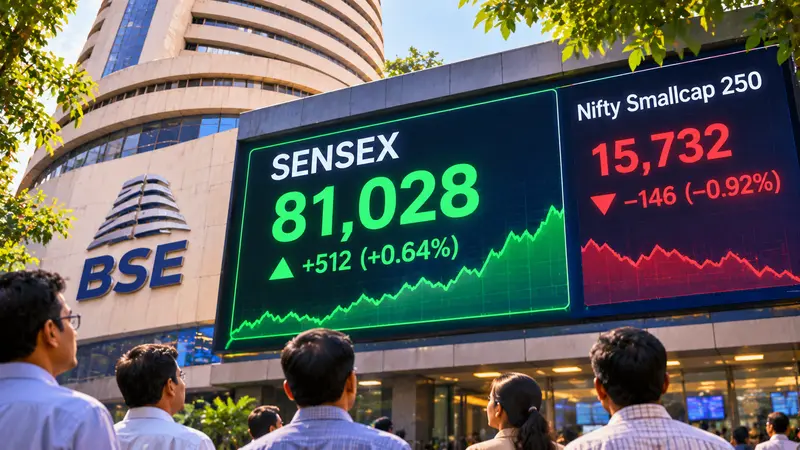
The session arrives after a remarkable run. The Sensex rose 1,718 points to close at 81,028 on Friday 6 November, and the Nifty 50 gained 494 points to 25,030, the seventh straight day of gains. The Sensex has added about 5,335 points, or about 7%, in four sessions from its close near 75,693 on Monday 2 November.
| Session | Sensex close | Nifty close |
|---|---|---|
| Tuesday 3 November | 76,917.85 | 23,810.85 |
| Wednesday 4 November | 77,301.40 | 23,960.60 |
| Thursday 5 November | 79,310 | 24,537 |
| Friday 6 November | 81,028 | 25,030 |
The advance has narrowed. On Friday, the NSE Midcap 100 ended almost flat and the Smallcap 100 fell over 0.8%, even as the benchmarks rose about 2%.
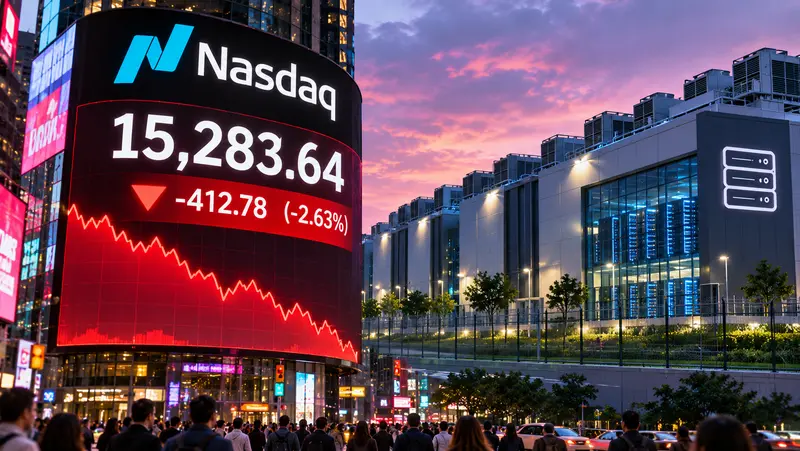
Global news has been mixed since then. Wall Street ended Friday on a mixed note, with the Nasdaq up 1.1% as buyers returned to AI and chip shares after the fall earlier in the week, the S&P 500 up 0.3% and the Dow down half a percent. All three lost ground over the week, with the Nasdaq down 3.4%. American payrolls rose by 165,000 in October, a stronger figure than recent months, which supports the case for high interest rates. Oil remains the main domestic concern, with Iran saying that the Strait of Hormuz stays shut until its demands are met.
Why it matters
Strictly speaking, it does not matter very much, and that should be said plainly. An hour of trading on thin volume tells little about the year ahead. Participants come mainly to make token purchases, which can give the session a positive tone, but that reflects the nature of the occasion and is not a forecast. A green close on Sunday would be pleasant and would prove nothing.
The value of the day lies elsewhere. It is a moment for a household to look at its savings and its plans for the coming year. For the market, it is a reminder of how much Indian investing has changed. Retail participation has grown enormously, and many first-time investors will see the session through an app on a Sunday afternoon.
Critics of the excitement say that the session encourages people to buy because of the date, and that a new investor following tips on auspicious picks is exposed to real risk, especially after a rise of 7% in a week. However, the tradition has a sensible core: a small, regular purchase for the long term is a reasonable habit, as long as it is made for reasons beyond the calendar.
A few plain cautions are worth repeating. Do not buy a share solely because it is on someone's Muhurat list. Do not borrow to take part. Avoid placing large market orders in thinly traded shares during a short session. Check the charges, since the usual brokerage and taxes apply.
After the session, the first full trading day will give a better read. The questions that matter are the same as those at the end of Friday's close. Will the rally spread beyond the largest shares, or narrow further? Will foreign investors keep buying? Will oil stay near recent levels? And how will the Indian market respond to the American jobs data and to the wild swings in technology shares?
BSE's holiday list shows that markets will also be closed on Tuesday 10 November for Diwali Balipratipada, so the coming week is a short one.
For now, the ritual is what it has always been: a brief, hopeful hour. Happy Samvat 2083.
This article is for information and is not investment advice.
Sources
About the Author
P
Prateek Rawat
Staff Writer
Prateek Rawat is a contributor to Wirony. All articles published under this byline undergo editorial review and approval before publication, with any necessary corrections handled…
P
4 min
What did you think?