/
Trump says the Iran war is 'effectively over'; Tehran denies talks and repeats its terms
After meeting Qatar's prime minister on 9 November, President Donald Trump said the war on Iran is militarily effectively over and that the US is keeping the status quo, including its naval blockade. Tehran called reports of talks fake and repeated seven conditions. Brent fell below $92 a barrel.
P
4 min
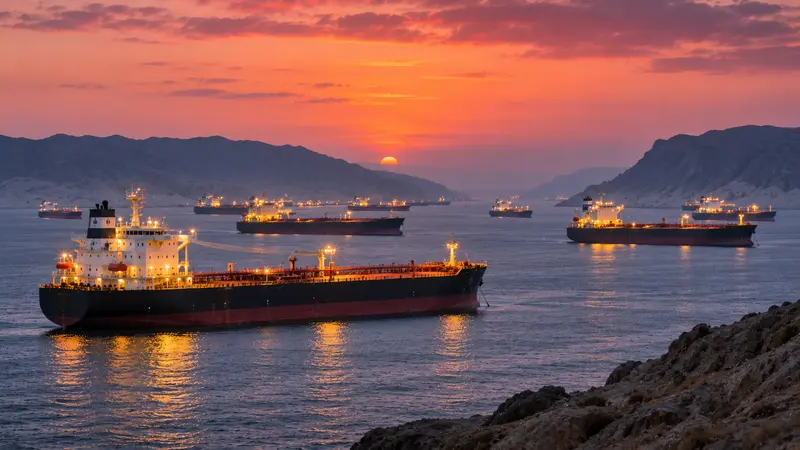
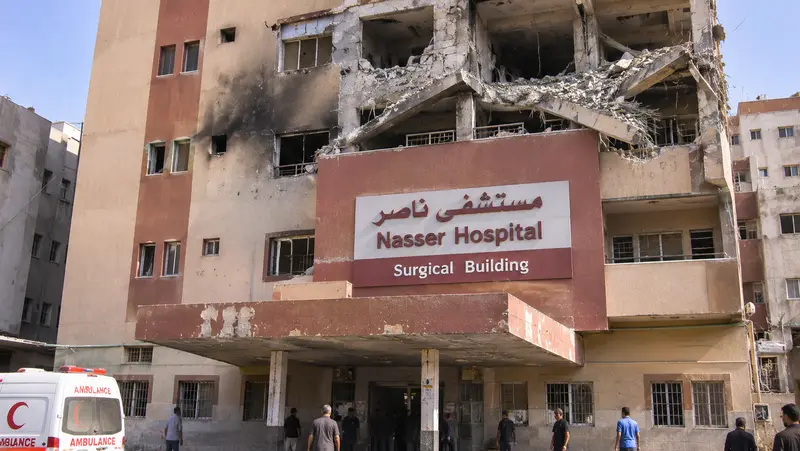
President Donald Trump said on Monday, 9 November 2026, that the war on Iran is "effectively" over militarily, after a closed-door meeting at the White House with Qatar's prime minister, Sheikh Mohammed bin Abdulrahman bin Jassim Al Thani, who is also the foreign minister. Trump said the United States is keeping the situation as a status quo and is ready to resume military action if circumstances change. Tehran rejected reports that talks were planned. Mohsen Rezaei, secretary of Iran's Supreme National Security Council, called them fake news about imaginary talks, and Iranian officials said their position and their conditions had not changed. The war began on 28 February 2026. This report is for information only.
What Trump said
Trump told reporters at the White House that Iran, militarily, was effectively over and that the United States was keeping the status quo, adding that if forces had to go back in, they were locked and loaded. He said the United States had destroyed Iran's military, called the continuing American naval blockade of Iranian ports the greatest in the country's history, and said he expects the conflict to end fairly soon and wants a long-term solution. He also said a resumption of strikes was highly unlikely.
The prime minister of Qatar met Trump and Vice President JD Vance, and was reported to have brought a two-day framework from Iran to end the war. Qatar publicly welcomed positive discussions on reaching a deal. Washington has described Tehran's terms as absurd while also saying it is not looking to restart major combat. A senior American official, as reported, said the administration was in no hurry to strike a deal because it believes it holds the upper hand in the Strait of Hormuz.
The United States has meanwhile continued pressure by other means. It has launched a task force aimed at cutting off Iranian trade by land and through the Caspian Sea, and carried out what were described as minor strikes on Iran's Qeshm Island in recent days.
What Tehran said
Rezaei said Washington was acting like a desperate gambler. President Masoud Pezeshkian said that the Supreme Leader, Mojtaba Khamenei, had called for an end to a situation described as neither war nor peace, and that Iran is open to further negotiations but will not be coerced. Iran's foreign minister denied that any meeting was being planned, and Iranian media quoted a senior security official as saying Iran would not hold talks with the United States until Washington took concrete steps within the framework of Iran's seven conditions.
Those conditions include lifting American sanctions, releasing frozen Iranian funds, recognising a new shipping route through the Strait of Hormuz agreed with Oman, and ending the war on all fronts, which Iran says includes Israel's attacks in Lebanon.
| Question | Washington | Tehran |
|---|---|---|
| Is the war over? | Effectively, militarily | "Neither war nor peace" |
| Are talks planned? | Qatar is relaying a framework | No, until its seven conditions are met |
| Blockade of Iranian ports | Continues | A condition for talks is lifting sanctions |
| Strait of Hormuz | Leverage for the United States | New route agreed with Oman is a demand |
Oil, the strait and what to watch
Markets treated Trump's words as a sign of de-escalation. Brent crude settled below $92 a barrel on 9 November, its lowest close since 31 August, and traded near $91 on 10 November, about 22% below the six-month high of $118 reached on 30 October. Freight costs through the Gulf remain high, at about $30 a barrel against about $5 before the war, according to one analysis.
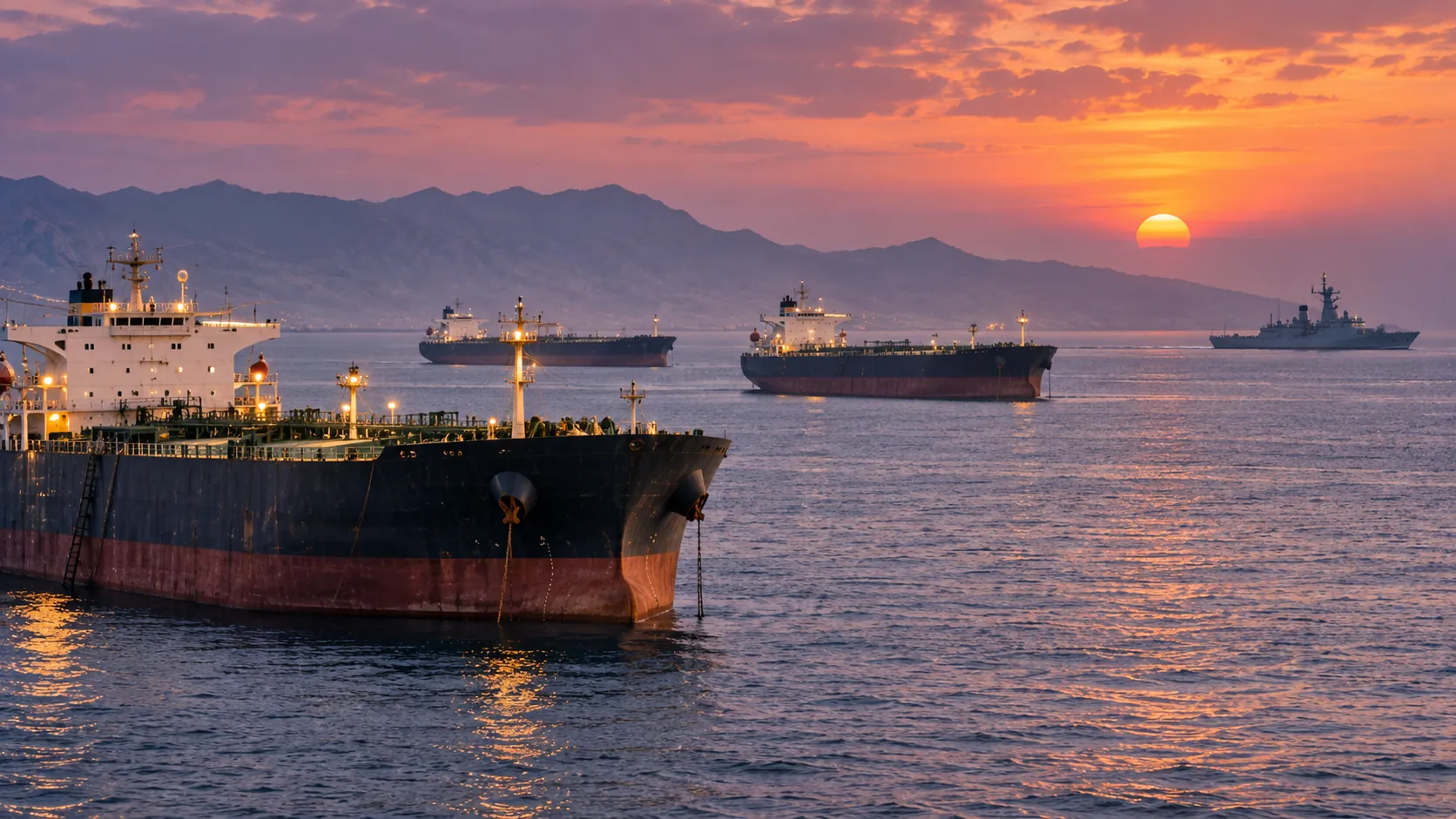
Iran moved to close the Strait of Hormuz soon after the war began, and it remains a central bargaining point. More gas tankers left the strait in October than in any other month of the war, even as Iran's Revolutionary Guard stepped up attacks. The war has drawn in Iran's Gulf neighbours, with attacks reported on Qatar, Bahrain, Kuwait and the UAE, and there is no formal ceasefire. Israel is occupying southern Lebanon, which Iran lists among its conditions.
The things to watch are whether Qatar's framework produces any direct contact, whether the blockade eases, and whether tankers keep moving through the strait. For India, which imports most of its crude, the main effect is on the oil price and the rupee. A move towards a settlement would lower both, while a collapse of the status quo would reverse the fall.
The regional picture is wider than the two capitals. Saudi Arabia has renewed its fight against the Houthis, and attacks on Iran's neighbours earlier in the war have left Gulf states exposed to any new round. Washington has offered a reward of $20 million for information about Iran's nuclear programme, a reminder that the nuclear question, which preceded the war and the Twelve-Day War of June 2025, is still unresolved. Whether Tehran's seven conditions, including sanctions relief and the return of frozen funds, can be reconciled with Washington's insistence on keeping the blockade in place is the gap that Qatar is trying to bridge. For now, each side is describing the same standstill in different terms, and the oil market is the one place where the difference shows up in a price.
Sources
About the Author
P
Prateek Rawat
Staff Writer
Prateek Rawat is a contributor to Wirony. All articles published under this byline undergo editorial review and approval before publication, with any necessary corrections handled…
P
4 min
What did you think?