/
India cuts main visa categories from 13 to nine and shortens application forms by 65-70%
The Ministry of Home Affairs says India's main visa categories fall from 13 to nine and sub-categories from 49 to 23, with form fields cut by 65-70%. Visitor, medical, student and business visas are consolidated. Visas under the new framework are expected by the end of 2026.
P
4 min
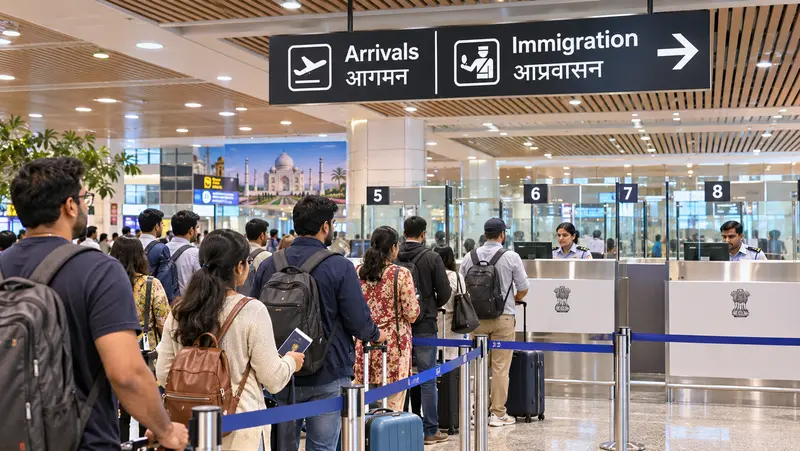
India's Ministry of Home Affairs said on Wednesday, 11 November 2026, that the country's main visa categories have been reduced from 13 to nine and the sub-categories from 49 to 23, and that the number of fields in application forms has been cut by 65-70% across all 23 categories and sub-categories. The ministry says the aim is a visa system that is more compact, coherent and responsive to the needs of foreign nationals visiting India. It is updating its IT systems, and visas will be granted under the revised framework by the end of 2026. This guide is for information only and does not replace the ministry's notices.
The nine categories
The nine main categories are Business, Diplomatic, Work, Journalist, Medical, Official, Student, Visitor and Miscellaneous. The change continues a series of cuts. In October 2025 the main categories were reduced from 22 to 13 and the sub-categories from 63 to 49. Reports differ on timing: some give 27 August 2026 as the date on which the nine-category structure was settled, while the announcement was reported on 11 November, so the date from which it applies to applicants is the end-of-2026 date given for the new systems.
| Category | New sub-categories and what they cover |
|---|---|
| Visitor (earlier Tourist) | V-1: short stays of 30 days, multiple entry, for business meetings, medical consultations, wellness retreats and short courses. V-2: longer stays of one, five or 10 years |
| Medical | M-1 for conventional treatment, M-3 for AYUSH treatment, with M-2 and M-4 for attendants |
| Student | S-1 for school, graduate and postgraduate study; S-2 for doctoral and research scholars, visiting faculty, interns and exchange students; e-S1 for students enrolled through the Study in India portal |
| Business | B-1 for long-term, licence-based activity such as setting up a venture; B-2 for short-term, contract-based activity |
What each change means for applicants
For visitors, the old tourist category is folded into V-1 and V-2. V-1 covers stays of 30 days with multiple entries and includes business meetings, medical consultations, wellness retreats, short medical treatment and short courses in Indian languages, music, art and craft. V-2 is valid for one, five or 10 years and covers the V-1 activities plus mountaineering, for which a six-month multiple-entry visa is given.
For medical travellers, M-1 and M-3, including their e-visa versions, default to one year with multiple entries. The attendant visas M-2 and M-4 go with the patient's category.
For students, S-1 covers school and degree courses, and S-2 covers doctoral and research scholars, visiting faculty, research students, expeditions, internships and exchange students. The e-S1 visa for students enrolled through the Study in India portal can be valid for up to five years or the length of the course, whichever is shorter, with multiple entries.
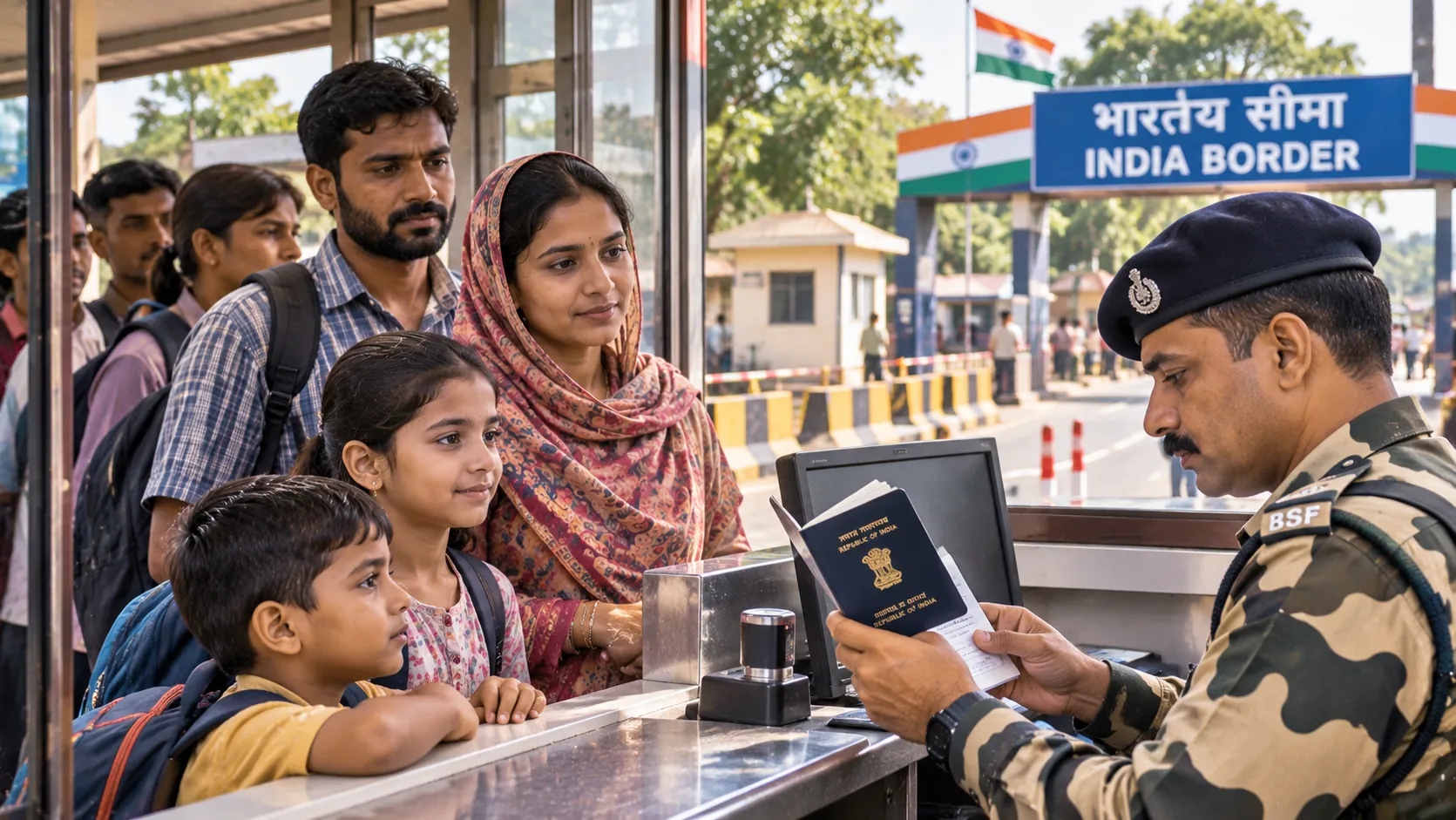
For business travellers, B-1 is for long-term activity based on a licence, including setting up industrial or business ventures. B-2 is for short-term activity under a contract, such as conferences, sports, performing arts and films, and it also holds the Production Investment Business Visa. Foreign specialists and technical staff who work for Indian companies can apply for that visa under B-2 on the e-visa platform; it was earlier the e-B4 visa. The Miscellaneous category takes in Persons of Indian Origin and their spouses and children, people joining bodies such as the Auroville Foundation, dependants of long-term visa holders, stay visas for Afghan nationals, long-term visas for certain nationals of neighbouring countries and other purposes that do not fit elsewhere.
The Diplomatic, Official, Work and Journalist categories are also among the nine, but the reports available do not describe any change to their sub-categories, and the announcement does not say how holders of visas issued under the old codes are treated. Those questions are likely to matter to employers and to families already planning travel, and they are for the ministry to answer.
Forms, e-Visa and the timeline
The ministry says the cut in form fields is meant to reduce the information required, shorten the time it takes to apply and allow more focused scrutiny, while keeping the details needed for processing. The e-Visa, which is processed under 13 sub-categories and is open to nationals of 172 countries, is part of the same exercise. The ministry says it studied visa systems in developed countries and global standards in designing the new framework.
The announcement does not say that fees, processing times or eligibility rules are changing, and no such change should be assumed. It also does not say when each new code will appear on the application portal, other than the end-of-2026 target for granting visas under the new framework. Until the portal is updated, applicants should continue to use the existing forms and codes and should check the e-Visa portal and the Bureau of Immigration before applying.
This announcement is separate from the order the ministry issued earlier in November on exemptions from passport and visa rules, which dealt with who does not need a visa or passport in certain cases. The visa categories article here covers only the grouping of visas and the application forms.
Sources
About the Author
P
Prateek Rawat
Staff Writer
Prateek Rawat is a contributor to Wirony. All articles published under this byline undergo editorial review and approval before publication, with any necessary corrections handled…
P
4 min
What did you think?