/
Brent settles at $95.82, up 3.3%, after Houthi claims on a Saudi pipeline and Yanbu
Brent crude settled at $95.82 a barrel on 12 November, up 3.3%, and US crude at $88.74, after early losses reversed on Houthi claims of attacks on a Saudi pipeline station, Yanbu and Riyadh. The coalition said it downed two drones. Both were still down about 2.5% on the week.
A
5 min
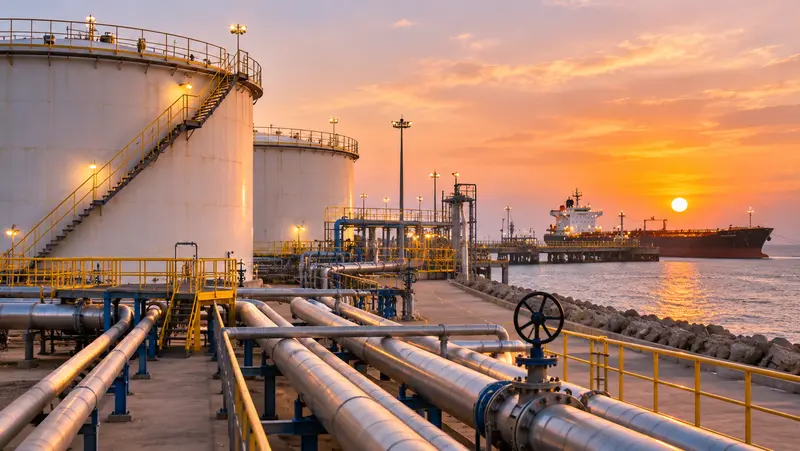
Brent crude, the international oil benchmark, settled at $95.82 a barrel on Thursday, 12 November 2026, up $3.06 or 3.3% on the day. US West Texas Intermediate closed at $88.74, up $2.21 or 2.6%. Both contracts had fallen early in the session and then recovered after Yemen's Iran-aligned Houthi movement said it had attacked a pumping station on Saudi Arabia's East-West oil pipeline, an oil facility in the Red Sea port of Yanbu and an Aramco building in Riyadh. The Saudi-led coalition said it intercepted and destroyed two Houthi drones, one near Riyadh and one in the Eastern Province. Even after the rise, both benchmarks were down about 2.5% on the week. This article is for information and is not investment advice.
The numbers behind the day
The session was volatile. Brent opened lower, shedding about a dollar in early Asian trading after President Donald Trump said in a post that Washington did not need a deal with Iran. It then turned higher as the Houthi claims circulated. One report put Brent near $93.40 in the middle of the day, up 0.7%, which shows how much of the gain came late in the session.
| Benchmark | Settlement, 12 November | Change on the day | Week |
|---|---|---|---|
| Brent | $95.82 | +$3.06 (+3.3%) | about -2.5% |
| West Texas Intermediate | $88.74 | +$2.21 (+2.6%) | about -2.5% |
Two other pieces of data pulled in opposite directions. Figures on OPEC+ output showed that crude production rose in October, led by higher Saudi output despite the disruption to Gulf shipping, which weighs on prices. The Energy Information Administration, the statistical arm of the US Department of Energy, reported that American stocks of crude, petrol and distillates rose last week, which also weighs on prices. Together they explain the early decline; the Houthi claims explain the recovery.
What is claimed and what is confirmed
The Houthi claims are the part that is least verified. The movement said it attacked three places: a pumping station on the East-West pipeline, which carries crude across the kingdom to the Red Sea and gives Saudi Arabia a route that avoids the Strait of Hormuz; an oil facility in Yanbu, the pipeline's terminal; and an Aramco building in Riyadh. The coalition's statement confirmed only that it had shot down two drones. No official Saudi account of damage to the pipeline, Yanbu or Riyadh was available, and the Houthis' claims in earlier episodes have often not been confirmed by Saudi authorities. A claim of an attack is therefore a risk to supply and not a confirmed loss of supply.
The market has been here before. Brent climbed above $110 a barrel in the second half of October, when attacks on ships and Saudi sites raised concern about supply, and it has since fallen back as flows continued. Thursday's close of $95.82 is well below that peak, which suggests traders are pricing in a risk of disruption, not an actual shortage.
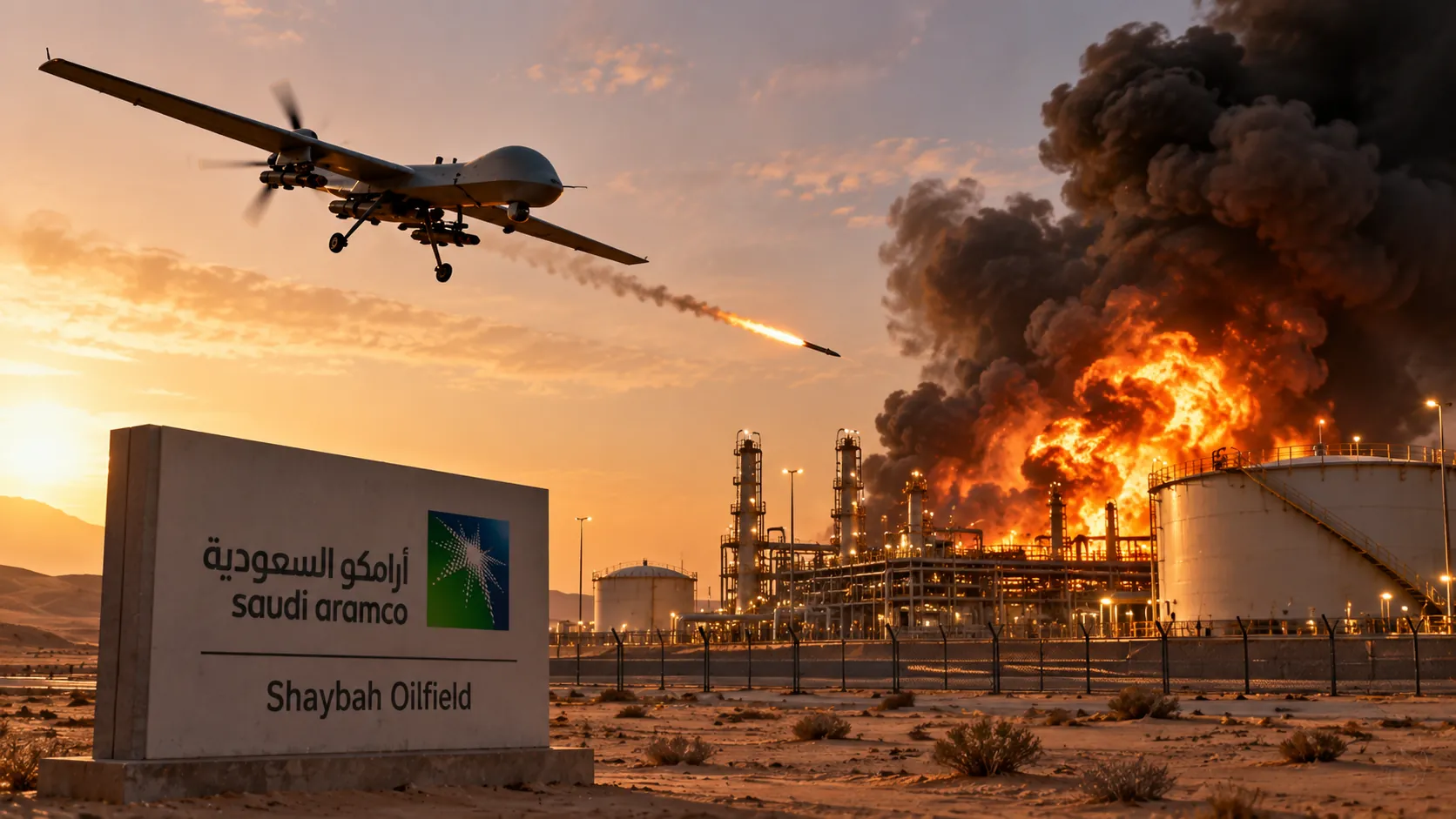
The wider background is the conflict involving the United States, Israel and Iran, which has hit shipping in the Gulf. The Strait of Hormuz carried nearly a fifth of the world's crude before the conflict, and attacks on vessels in the region have increased in recent weeks. Iran's military said four oil tankers were hit by explosions in the Strait after they ignored warnings; that claim could not be verified. An analyst quoted in market coverage said that Russian and Ukrainian strikes on each other's energy sites and Iranian attacks on shipping were beginning to add pressure to prices, and that investors were tiring of repeated talk of peace. Peace talks between Russia and Ukraine, with United States envoys in Moscow, were under way the same day, and Ukrainian drones hit the port area of Ust-Luga on Russia's Baltic coast, causing a fire at part of its fuel tank network.
Why it matters in India
The pipeline matters because Saudi Arabia uses it to move crude from its eastern fields to the Red Sea coast, so that part of its exports can leave without passing through Hormuz. A disruption there would remove a route that buyers in Asia, including India, have counted on when shipping through the Gulf is risky. For now there is no confirmation that any flow has been lost.
India imports most of the crude oil it refines, so a rise in the Brent price feeds into the import bill, the rupee and, with a lag, the price of petrol, diesel and cooking gas. A move of $3 in a day does not change retail prices by itself, and Indian oil companies set pump prices with an eye on the average over a longer period. A sustained price above $95 would matter more, because it widens the trade deficit and puts pressure on the rupee.
For the next few days the points to watch are whether Saudi Arabia or Aramco publishes any account of damage to the pipeline station or Yanbu, whether the Houthis make further claims, and whether the coalition reports more interceptions. On the demand side, the next OPEC+ meeting and weekly US inventory figures will show whether supply is growing faster than the risks. The Brent price may move well beyond $96 or back below $92 on any of these, and a single day's close is not a trend.
Sources
About the Author
A
Amita Sahani
Staff Writer
Amita Sahani writes for Wirony. Every story under this byline is reviewed and approved by an editor before it is published, and corrections are made openly.
A
5 min
What did you think?