/
One oil shock, very different bills: UNCTAD finds diesel up 83% in Nigeria and 9% in Ireland since February
UNCTAD's analysis of pump prices from 23 February to 31 August shows diesel rose over 50% in 18 of 25 economies, 82.7% in Nigeria against 9% in Ireland. Taxes, subsidies, pricing rules and exchange rates decide who pays. Futures point to oil above $100 through the end of 2026.
R
5 min
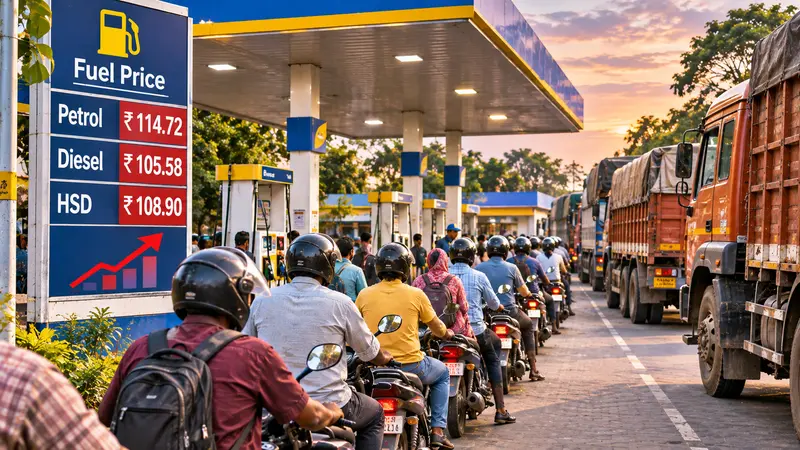
The war that shut the Strait of Hormuz in February was one oil shock, but it has not produced one fuel price. New analysis from UN Trade and Development, published on 2 November 2026, shows that between 23 February and 31 August diesel rose about 83% in Nigeria and 9% in Ireland, measured in dollars. It rose more than 50% in 18 of the 25 economies shown. Gasoline went up 50.7% in Myanmar and 3% in Sweden. "An oil shock doesn't arrive at every petrol station with the same price tag," the agency said.
The numbers answer a question that drivers, truckers and finance ministers have been asking for eight months: why does the same barrel hurt some countries so much more than others?
What happened to prices
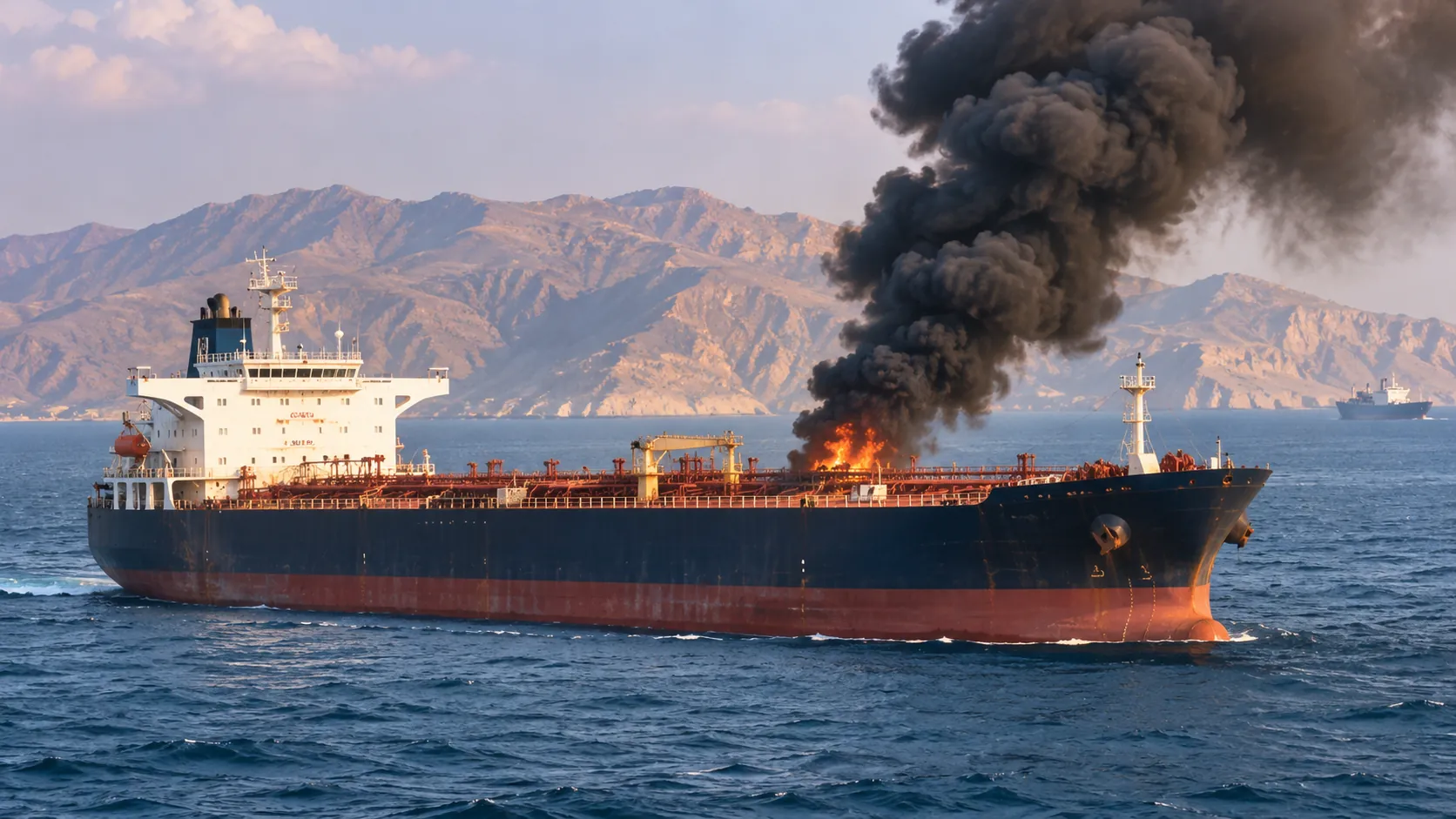
The Strait of Hormuz normally carries about a fifth of the world's oil. Brent crude rose from around $70 a barrel in January to above $120 in March. It eased towards $70 in June during diplomatic talks, then climbed back above $100 when negotiations collapsed and fighting resumed. By September, futures for delivery through the end of 2026 were above $100, more than $30 over pre-conflict levels. In other words, markets are not treating this as a brief spike.
| Economy | Fuel | Rise, 23 Feb to 31 Aug |
|---|---|---|
| Nigeria | Diesel | 82.7% |
| Lebanon | Diesel | 73.6% |
| Peru | Diesel | 66.7% |
| Ireland | Diesel | about 9% |
| Myanmar | Gasoline | 50.7% |
| Nigeria | Gasoline | 48.1% |
| Sweden | Gasoline | about 3% |
Why the bills are so different
Four things stand between the world oil price and the number on a pump. Taxes are the first. In much of Europe, a large part of the pump price is fixed excise duty, which does not move with crude, so a given rise in oil is a smaller percentage of the final price. Where fuel is lightly taxed, the crude price passes through almost completely.
Subsidies and domestic pricing rules are the second and third. A government that holds prices down can shield consumers for a time, but it pays through its budget, and a government that cannot afford that must let prices rise. The fourth is the exchange rate. Fuel is bought in dollars, so a country whose currency falls pays more even if the world price stays flat. UNCTAD's comparison is in dollar terms, and local-currency pain can be different again.
Import dependence sits underneath all four. In 2023, net fuel imports were about a quarter of GDP in Cabo Verde, nearly a fifth in Lebanon, and more than 15% in Mauritania and Liberia. For such economies, a price shock is a balance-of-payments shock. Dollars spent on fuel are not available for food, medicines or equipment.
Why it matters
The effect goes well beyond motorists. Diesel powers the trucks that carry food and goods, so its price feeds into almost everything people buy. Earlier research cited by UNCTAD estimates that a rise of 25 US cents per litre can cut household purchasing power by more than 5% on average in developing economies. Poorer households have less savings to fall back on, so they cut back on essentials. Governments with stretched budgets have little room to protect them.
An earlier UNCTAD monitor, from June, found that nearly one billion people live in countries highly exposed to rising fuel costs, with least developed countries and small island states under the heaviest strain.
The analysis does not show figures for India or other South Asian economies, so it cannot be used to rank them. Its logic still applies: India imports most of its crude, and the fuel price that households see depends on tax, pricing decisions and the rupee as much as on Brent. Those three levers are the ones to watch in any official discussion of pump prices.
UNCTAD's advice has a short-term and a long-term part. In the short term, states have limited ability to shield households, and blanket subsidies are expensive. The long-term answer is to reduce exposure: more varied energy supplies and investment in affordable renewables. It notes that in more than 90% of cases, renewables are now cheaper than the cheapest new fossil-fuel option for electricity generation. That helps with power, though diesel for freight is much harder to replace in the near term.
A fair objection is that advice to build renewables does little for a country struggling to pay this month's fuel bill. However, the data support the point in another way: the countries hit hardest are those with the least room to absorb shocks, and such shocks will recur. Each war or embargo that hits the Gulf repeats the same transfer of income from fuel importers to suppliers.
The immediate variable is the Strait of Hormuz. Any agreement that reopens it would lower prices, though the futures market in September was still pricing in oil above $100 through December. The second is currencies: a stronger dollar worsens the bill for importers even if crude falls. The third is budgets, since subsidies that were affordable for a few months become much harder to sustain over a year. For readers in import-dependent countries, the useful check is simple: follow the official pump price, the exchange rate and the fuel tax decision together, because a drop in Brent reaches the pump only if all three allow it. This article is for information and is not investment advice.
Sources
About the Author
R
Reyaansh Agarawal
Staff Writer
Reyaansh Agarawal contributes to Wirony, covering stories that are carefully reviewed and approved by the editorial team before publication. Wirony is committed to maintaining tran…
R
5 min
What did you think?