/
Senate panel asks Jensen Huang and Lutnick to testify on Nvidia chip exports to China
Senate Banking Committee chair Tim Scott has asked Jensen Huang to testify on 3 December and Commerce Secretary Howard Lutnick on 10 December about Nvidia's chip exports to China, with subpoenas if they refuse. Lutnick has agreed to appear. Three House committees want Huang on 1 and 2 December.
R
4 min
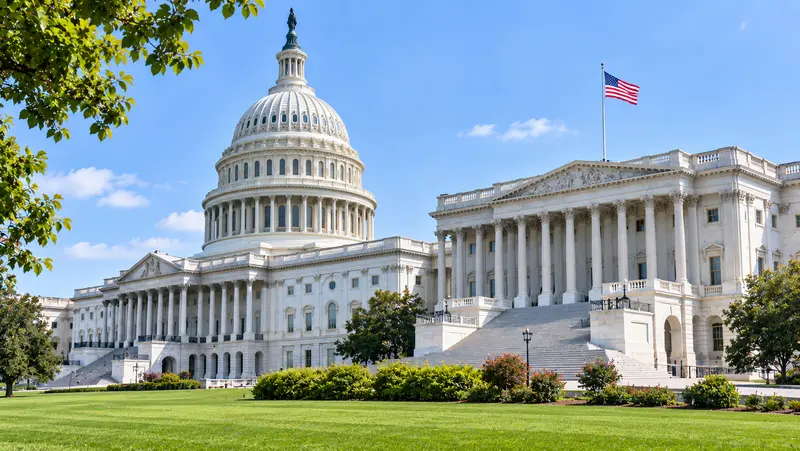
The chair of the United States Senate Banking Committee, Senator Tim Scott, has asked Jensen Huang, who resigned this week as chief executive of Nvidia, to testify at a public hearing on 3 December, and Commerce Secretary Howard Lutnick on 10 December, about exports of advanced chips to China. The letters were sent on Thursday evening, 12 November 2026, and Scott said the committee would use all tools at its disposal, including subpoenas, if either declines to appear. A spokesperson for Lutnick said he has proactively agreed to appear voluntarily to answer the committee's questions. The accounts available do not report a reply from Huang. This explainer sets out how the process works and is for information only.
What the committee wants to know
The Banking Committee has jurisdiction over export controls, including how they apply to Nvidia's sales of advanced semiconductors, and Scott's letter says recent reports raise serious concerns about national security and the protection of sensitive American technology. The topics listed are national security, the protection of technology, the export-control regime, and alleged loopholes that allowed high-end chips to reach China. The lawmakers' questions go to the Commerce Department as much as to the company, because the department's Bureau of Industry and Security decides which companies are placed on the trade blacklist and which licences are granted.
Critics say the administration has not added dozens of Chinese companies to that blacklist; one report refers to more than 100 firms, including DeepSeek and the memory chipmaker CXMT, in a report from June. Senator Jim Banks, a Republican, said Lutnick appeared to have used loopholes to allow some chip sales, and Senator Elizabeth Warren, a Democrat, said Lutnick and Under Secretary Jeffrey Kessler must explain why loopholes have not been closed. Senator John Kennedy called the situation an "intergalactic freak show".
Several committees are involved, and the dates differ in the accounts, so the table below follows the committee's own post where one is given.
| Body | Asked to appear | Date |
|---|---|---|
| Senate Banking Committee | Jensen Huang | 3 December |
| Senate Banking Committee | Howard Lutnick | 10 December (agreed) |
| House committees (Foreign Affairs, China Select, Intelligence) | Huang and Nvidia's general counsel Tim Teter | 1 and 2 December |
| Hearing reported for Under Secretary Jeffrey Kessler | Kessler | 3 December |
One account says both Huang and Lutnick were asked for 3 December, while the committee's own post, as reported, gives 3 December for Huang and 10 December for Lutnick. The three House committees, chaired by Brian Mast, John Moolenaar and Rick Crawford, said in a joint letter that there are clear national security concerns that need to be addressed immediately, and they too said that subpoenas would follow if the witnesses did not come.
How a subpoena works
A congressional committee can ask a witness to appear voluntarily, and if the witness refuses it can issue a subpoena, a legal order to testify or to produce documents. A committee generally needs a vote or the chair's authority under its own rules to do so. Refusing a subpoena can lead to a contempt of Congress citation, which can be referred to the Justice Department for prosecution, though the process is slow and has been used unevenly. Because Huang has resigned from Nvidia, he would appear as a private citizen, and the company's general counsel is a separate witness for the House.
The Commerce Department's Bureau of Industry and Security, which Under Secretary Jeffrey Kessler leads, writes the export rules and issues licences for sensitive technology, and it keeps the Entity List of foreign companies that US firms cannot supply without a licence. Adding a company to the list is a decision of the department and not of Congress, so the debate in the hearings will be about why some Chinese firms were not listed and how closely licences for advanced chips were reviewed.
The wider scandal
Huang resigned on Thursday after a week in which Nvidia's board opened an inquiry and shares fell. He has acknowledged a relationship with an executive of Megaspeed, a Singapore-based company that bought more than $4.8 billion of Nvidia chips in two years, and whom lawmakers describe as an alleged spy; China denies the claim. President Donald Trump defended Huang, calling him honourable. Nvidia's market value fell below $4 trillion for the first time since July 2025.
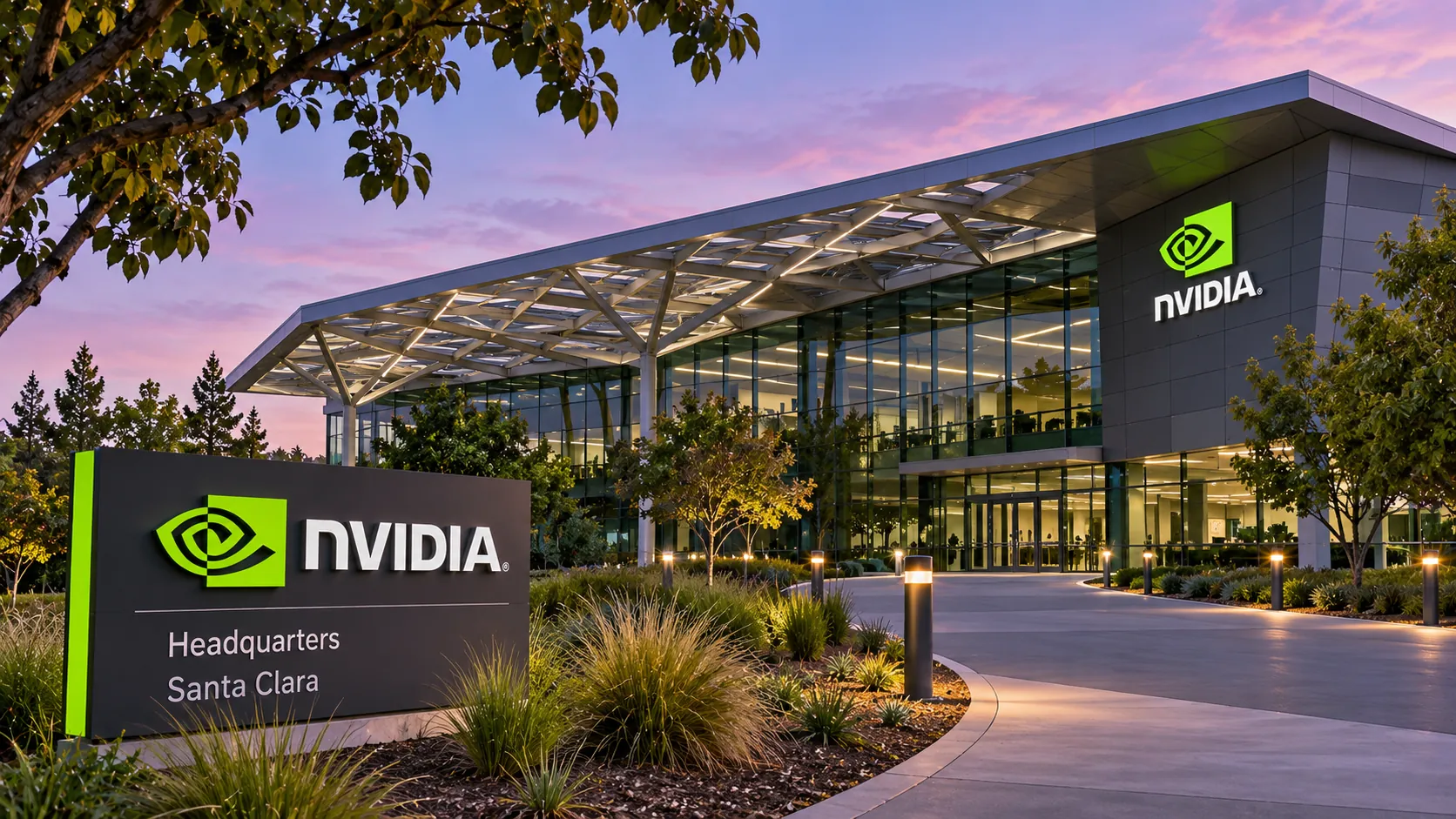
There is also a political calendar. Senator Warren is due to chair the Banking Committee from January, and she and Senator Chris Coons, the incoming chair of the Foreign Relations Committee, have asked for documents on chip exports to China to be preserved. Senator Ron Wyden and Representative Richard Neal are looking at approvals of sales to companies linked to the Chinese government, military or sanctioned entities.
What matters next is whether Huang accepts a date, whether Lutnick's hearing on 10 December goes ahead, and whether the Commerce Department explains its record on the blacklist. The facts about the chip sales themselves, including which models were shipped and under what licences, were not set out in the accounts seen, and they will be the central questions at the hearings.
Sources
- Letters to Jensen Huang and Secretary Lutnick on export controls (Committee on Banking, Housing, and Urban Affairs, United States Senate)2026-11-12
- Joint letter to Nvidia on national security concerns (Committee on Foreign Affairs, US House of Representatives)2026-11-12
- Export controls and the Bureau of Industry and Security (Department of Commerce)
About the Author
R
Reyaansh Agarawal
Staff Writer
Reyaansh Agarawal contributes to Wirony, covering stories that are carefully reviewed and approved by the editorial team before publication. Wirony is committed to maintaining tran…
R
4 min
What did you think?