/
Congress weighs subpoena for Nvidia's Jensen Huang as lawmakers call on him to resign
Three House committee leaders asked Nvidia chief Jensen Huang to appear by 18 November over reports about a woman said to be a Chinese intelligence asset, and said on 11 November they would pursue a subpoena. None had been issued. Three lawmakers want him to resign.
R
4 min
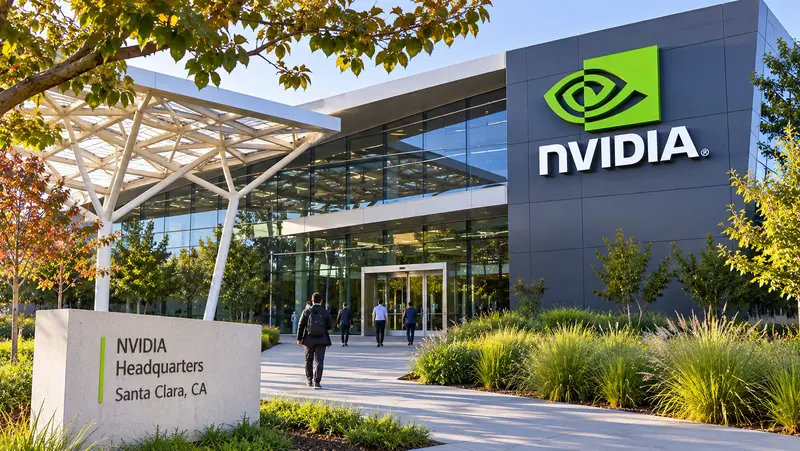
Leaders of three House of Representatives committees said on Wednesday, 11 November 2026, that they would pursue a subpoena for Nvidia chief executive Jensen Huang if he does not agree to appear before them, after he had not replied to a request to testify behind closed doors. No subpoena had been issued by the afternoon. A Republican senator and two House members have also called on Huang to resign. The request concerns allegations about a woman that news reports described as a Chinese intelligence asset, and Nvidia reports its quarterly results on 17 November. These are allegations and political demands; no charge has been brought, and this report is for information only and is not investment advice.
What the committees have asked for
In a letter dated 4 November, Representatives Brian Mast, the chair of the House Foreign Affairs Committee, John Moolenaar, the chair of the China Select Committee, and Rick Crawford, who leads the House intelligence panel, asked Huang to appear before their committees. The deadline to testify is 18 November. On Wednesday, Mast and Moolenaar said they had not heard from him and gave him until the end of the day to respond. Asked whether they would subpoena Huang if he declined, Mast said yes, and Moolenaar said all three committees have subpoena power and would continue to pursue the matter.
The background is that Huang acknowledged on Sunday, 9 November, a relationship with a woman who, according to news reports, US intelligence concluded was a Chinese spy. She is described by lawmakers as an alleged spy and she is not related to Huang. Representative Suhas Subramanyam, the top Democrat on a House Oversight subcommittee, said she was allegedly helping smuggle chips into China at an alarming rate, an assertion that has not been tested in court. Nvidia's board opened an independent investigation on 9 November. The board has said it sees no sign that company secrets were lost.
Who wants him to go
Senator Kevin Cramer, a North Dakota Republican, said Huang should resign as a matter of his own conscience, arguing that he is vulnerable to extortion or blackmail, which he called a national security risk. Subramanyam said Huang should resign from Nvidia, and Representative Don Bacon, a Nebraska Republican, said the chief executive should step down, in part because he believes Huang let himself be compromised by the Chinese government.
| Lawmaker | Party | Position |
|---|---|---|
| Brian Mast | Republican | Would subpoena if Huang declines |
| John Moolenaar | Republican | All three committees can issue one |
| Kevin Cramer | Republican (Senate) | Should resign |
| Suhas Subramanyam | Democrat | Should resign |
| Don Bacon | Republican | Should step down |
Nvidia has announced no decision on Huang's position, and its board's statement so far is that it sees no sign of lost secrets.
The export-control fight and what comes next
The case has landed in the middle of a dispute about chip exports to China. Congress has not yet passed this year's National Defense Authorization Act, and lawmakers may attach bills to tighten controls on AI chips, among them the AI Overwatch Act, the MATCH Act and the Chip Security Act. Senators Elizabeth Warren, who is due to chair the Banking Committee, and Jim Banks urged that the AI Overwatch Act be included. Huang has opposed strict export controls on AI chips to China and travelled to China with President Donald Trump in May. Representative Jay Obernolte said he hoped the controversy would not derail the export-control talks.
A congressional subpoena is a legal order to appear or to hand over documents, and a person who ignores one can be referred for contempt proceedings. That is why the chairmen's statements about intent matter: a voluntary closed-door briefing could be arranged on any date, while a subpoena would set a legal obligation. With the 18 November deadline falling the day after the earnings report, Huang's lawyers and the company's board have a few days in which to decide how to answer.
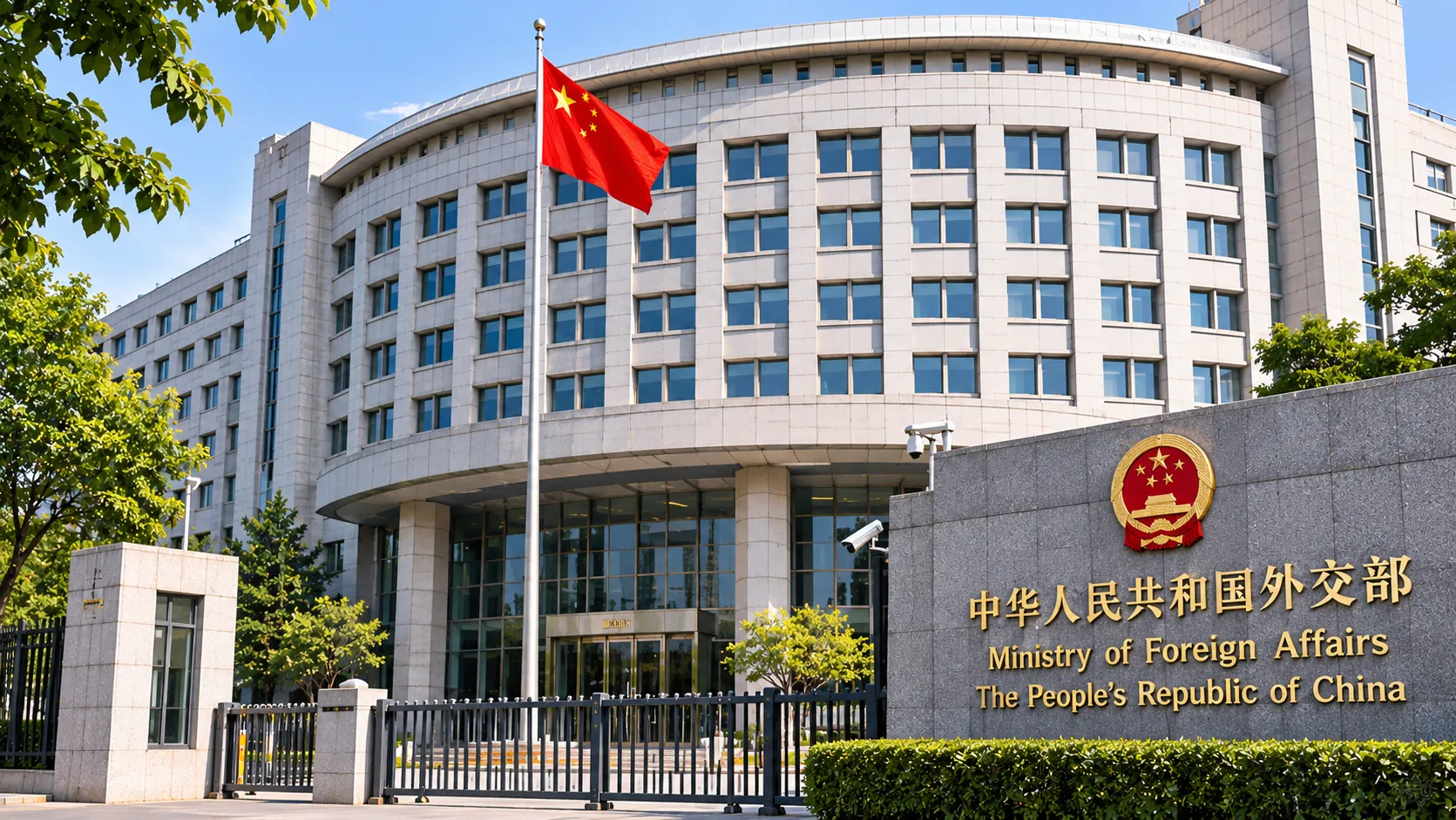
China's government has rejected the spy allegation. Its foreign ministry called it a smear on 9 November and declined to comment on a reported figure of 600,000 chips said to have reached Chinese buyers. Nvidia's board, for its part, said at the start of its own review that it saw no sign that company secrets were lost, and the committees have not published evidence of their own. That leaves the central claims, about the woman's role and any chip diversion, as allegations that have not been tested in court or confirmed by an official finding.
Timing matters on both sides. Democrats are expected to take control of both chambers of Congress in January and plan investigations that could centre on Nvidia, while the Republican committee chairs lose their gavels then and any subpoena they issue would expire with the session.
For investors and customers, the next date is Nvidia's earnings report on 17 November, a day before the deadline to testify. The controversy has weighed on Nvidia's shares, which recovered somewhat on 12 November after strong results from the AI cloud company CoreWeave, whose revenue rose 168% to $3.661 billion in the third quarter. Whether Huang appears on 18 November, is subpoenaed, or the board takes a decision first will show how serious the risk to the company's leadership is.
Sources
About the Author
R
Reyaansh Agarawal
Staff Writer
Reyaansh Agarawal contributes to Wirony, covering stories that are carefully reviewed and approved by the editorial team before publication. Wirony is committed to maintaining tran…
R
4 min
What did you think?