/
Google opens its TPU AI chips to Oracle customers in a bigger challenge to Nvidia
Alphabet is making Google's TPU AI chips available outside its own data centres through Oracle, a bigger push against Nvidia. Google Cloud revenue rose 82% in Q2, Anthropic has committed to up to one million TPUs, and analysts put the TPU operating margin near 20%.
R
2 min
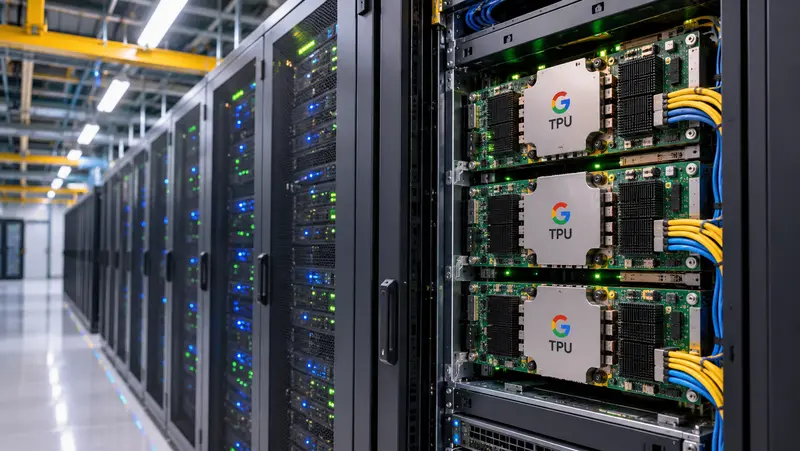
Alphabet is making Google's tensor processing units, the custom chips it designed for artificial intelligence work, available to customers outside its own data centres through Oracle. Oracle's launch lets its customers use the chips on Oracle's infrastructure. The move is a bigger challenge to Nvidia in AI accelerators and widens the market for Google's chips, according to a report on the launch.
Until now, Google's TPUs were largely used inside Google's own infrastructure. The report says that Alphabet is changing its cloud approach to sell its AI chips through third-party partners, and that this gives Google a chance to compete with Nvidia and to expand the market it can sell into. The report gives no price, contract length or other terms of the Oracle arrangement.
Demand
Anthropic has committed to using up to one million TPUs, according to the report. It says that preliminary demand is rather high and that Google has other chip prospects in view, without naming them. The report does not mention any other deal.
Google Cloud revenue rose 82% in the second quarter, and analysts predict that it will grow 90% year over year. TD Cowen estimates the operating margin on TPU sales at about 20%, which is below the 35% reported for Google Cloud as a whole in the previous quarter. Thomas Kurian, who heads Google's cloud business, said that servers powered by Google processors may recoup their costs in about half the time of other AI servers.
The report lists several things to watch: the demand for TPUs, the profitability of the cloud business, spending on AI in 2027 and Alphabet's third-quarter earnings report.
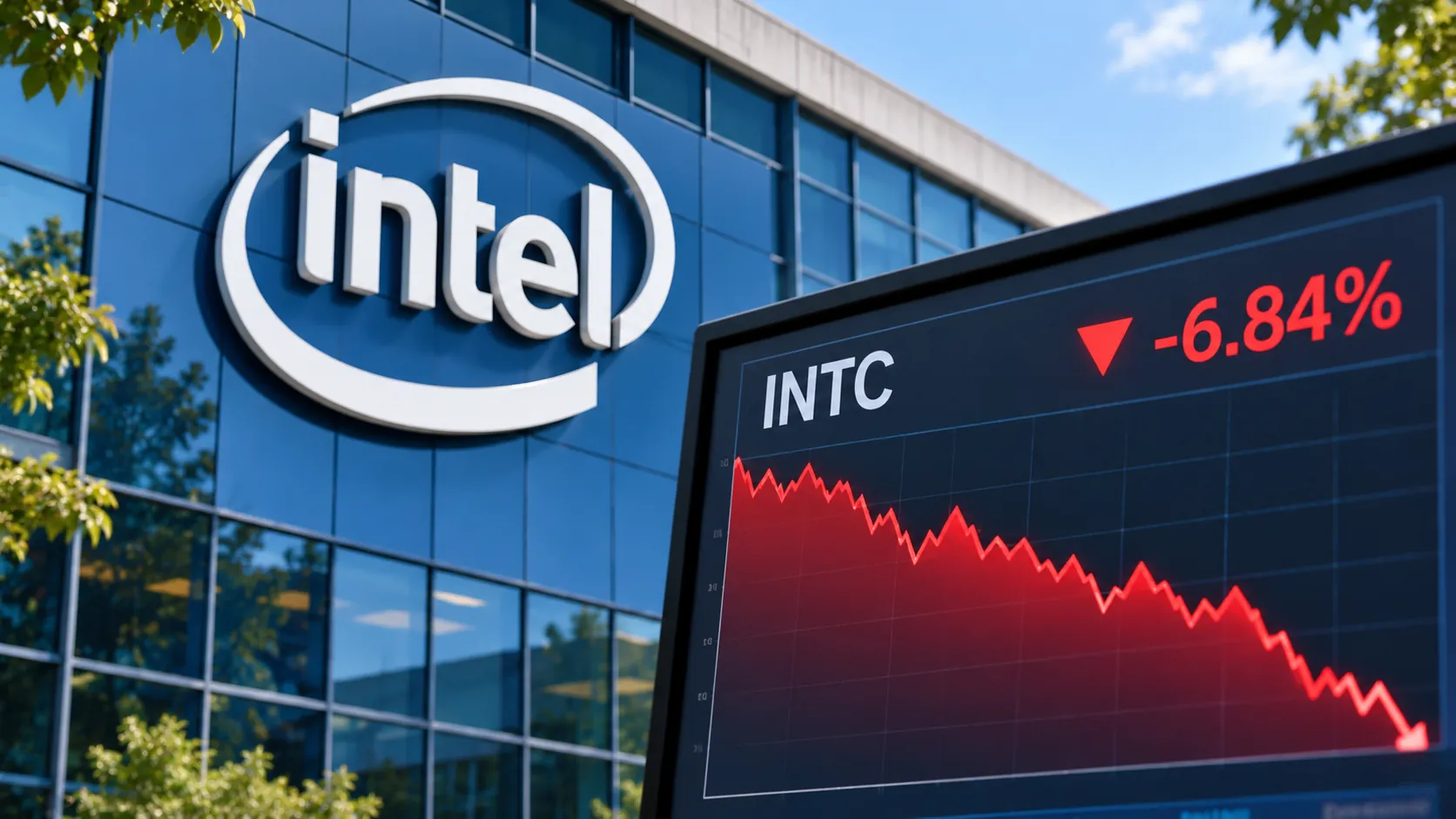
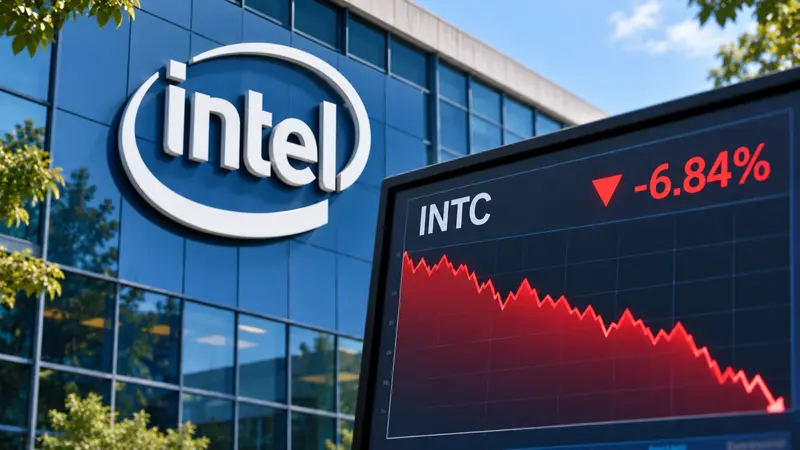
The news comes in a week of heavy selling in technology and chip stocks. On Friday, 30 October, the Nasdaq Composite fell 2.86% and the broader semiconductor index fell 7.2%, after Intel gave a weak forecast for the fourth quarter and Amazon missed estimates. Nvidia fell 4.2% and AMD 10.9% that day. A separate report says that Alphabet had its worst day on record the day before, after it said that Google's search revenue growth had slowed.
Investors in the market have been asking whether spending on artificial intelligence will produce a positive return, according to one analyst quoted in the coverage of Friday's selloff.
The reports found do not say how many Oracle customers have signed up, how much capacity Oracle has bought, or what price Oracle will charge for the chips. They do not say how the Oracle arrangement fits with Google's existing cloud sales, and they do not give the chip generation that is being offered.
R
2 min
What did you think?