/
Wholesale inflation hits a series high of 12.29% in October as fuel and power jump 32.84%
India's wholesale price inflation rose to 12.29% in October 2026 from 11.39% in September, the highest in the new series. Fuel and power rose 32.84% year on year, primary articles 9.24% and manufactured products 9.54%, the commerce ministry's data show.
S
5 min
India's wholesale price inflation rose to 12.29 per cent in October 2026, the highest reading in the current series, from 11.39 per cent in September. The Office of the Economic Adviser in the Department for Promotion of Industry and Internal Trade, which sits under the Ministry of Commerce and Industry, released the provisional figures on 16 November 2026. The All Commodities index stood at 113.3 in October against 112.5 in September.
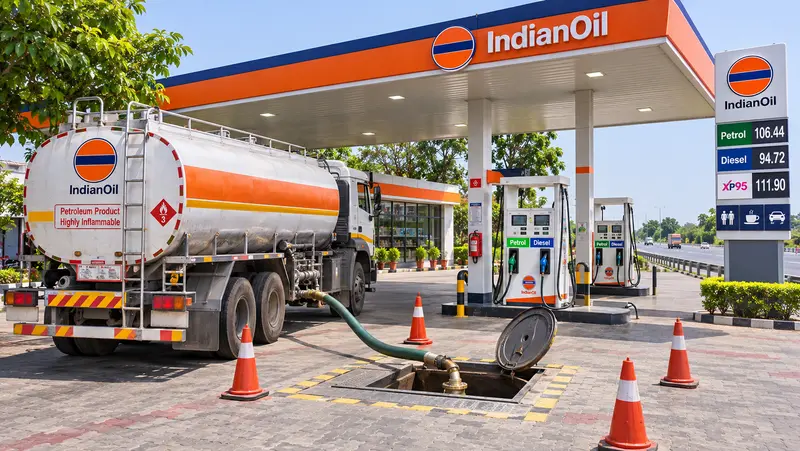
Fuel and power did most of the work. Inflation in that group was 32.84 per cent year on year, up from 25.85 per cent a month earlier, while primary articles rose 9.24 per cent and manufactured products 9.54 per cent. The WPI Food Index, which covers food articles and manufactured food products and has a weight of 24.99 per cent, rose 8.58 per cent, a shade lower than September's 8.66 per cent.
The October numbers by group
The three major groups moved in different directions, and the ministry's release shows both the rate and the index level for each.
| Group | October 2026 inflation | September 2026 inflation | Index, October | Index, September |
|---|---|---|---|---|
| All Commodities | 12.29% | 11.39% | 113.3 | 112.5 |
| Primary Articles | 9.24% | 8.67% | 120.6 | 120.3 |
| Fuel and Power | 32.84% | 25.85% | 115.7 | 110.5 |
| Manufactured Products | 9.54% | 9.76% | 110.2 | 110.2 |
Fuel and power rose by 5.2 index points in a single month, from 110.5 to 115.7, while manufactured products stayed flat at 110.2 and primary articles moved by 0.3 points. That is why the headline number rose even though manufactured products' inflation eased slightly.
The ministry names the groups that drove the October reading: mineral oils, which cover petroleum products; crude petroleum and natural gas; electricity; food articles; basic metals; chemicals and chemical products; food products; non-food articles; textiles; and rubber and plastic products.
Fuel, electricity and food in detail
Within fuel and power, mineral oils were 45.57 per cent higher than a year earlier, with the index at 124.9 against 119.3 in September. Crude petroleum and natural gas rose 70.80 per cent year on year, and its index went from 141.9 to 148.6. Electricity, which had been falling over the year, swung to inflation: it was up 8.06 per cent in October against a fall of 0.43 per cent in September, and its index rose from 92.0 to 96.5.
Among primary articles, food articles rose 8.26 per cent, with the index at 121.9 against 122.2 in September, and non-food articles rose 11.69 per cent, with the index at 115.6 against 113.7. The food reading is therefore steady, while non-food articles have become dearer.
| Item | Inflation, October | Index, October | Index, September |
|---|---|---|---|
| Mineral oils | 45.57% | 124.9 | 119.3 |
| Crude petroleum and natural gas | 70.80% | 148.6 | 141.9 |
| Electricity | 8.06% | 96.5 | 92.0 |
| Food articles | 8.26% | 121.9 | 122.2 |
| Non-food articles | 11.69% | 115.6 | 113.7 |
Two features of the table stand out. The index for crude petroleum and natural gas has risen about 4.7 per cent in a single month, while the food articles index slipped slightly. Prices of what the economy burns have moved up much faster than prices of what it eats, which is the pattern behind both the headline and the gap with retail inflation.
The cumulative figure for April to October of the current financial year is 10.14 per cent, against a fall of 0.30 per cent in the same period of 2025-26 and a rise of 1.71 per cent in 2024-25. The All Commodities index stood at 104.6 in March 2026, rose to 108.9 in April and reached 113.3 in October.
The final index for August 2026 stayed at 110.8, so the August inflation rate remains 9.92 per cent. The series uses 2022-23 as its base year.
Why wholesale and retail inflation differ
The Consumer Price Index, which the National Statistics Office published on 12 November, showed retail inflation of 6.09 per cent for October, with food at 8.94 per cent. The WPI reading is twice as high. The two indices measure different things. WPI tracks the prices at which goods are sold in bulk by producers and traders, before transport, taxes and retail margins, and it has no weight for services. CPI tracks what households pay for a basket that includes food, housing, fuel and services.
Fuel can carry a larger share in wholesale prices than in the consumer basket, so a surge in crude and mineral oil prices tends to show up faster and more sharply in the WPI. The two readings often diverge for that reason. When producers face higher input costs, they may absorb part of the increase for a while, and what they pass on arrives at the consumer later, if at all.
A few cautions help in reading the numbers. The October figure is provisional, and the ministry revises it when the final index is published two months later; the August figure, for example, was confirmed unchanged at 110.8. Year-on-year inflation also depends on the base: when prices a year earlier were low or falling, as electricity prices were, a modest rise now looks large. And the Reserve Bank of India's inflation target is set on consumer prices, not on the wholesale index, so the WPI is a signal of cost pressure at the factory gate rather than the number the central bank is formally asked to keep within its range.
What the ministry's release does not say is where the numbers go next. The next WPI release, for November, will come in mid-December. Readers who track their own costs, such as small businesses that buy fuel and metals, should compare the group indices in the release with the items they buy, because the headline number blends very different movements.
This article is for information only and is not investment or financial advice.
About the Author
S
Subhash Gupta
Desk Editor
Subhash Gupta is a writer at Wirony, contributing articles that are reviewed and verified by the editorial team before publication. The publication prioritises accuracy, editorial…
S
5 min
What did you think?