/
SEBI clears Razorpay, MakeMyTrip and Sembcorp Green Infra IPOs: what the nod allows
SEBI has issued observations on the IPO papers of Razorpay, MakeMyTrip and Sembcorp Green Infra, which lets them proceed to the next stage. Razorpay's issue is reported at Rs 5,000 to 6,000 crore. The nod is not an issue date, price or approval of the business.
A
4 min
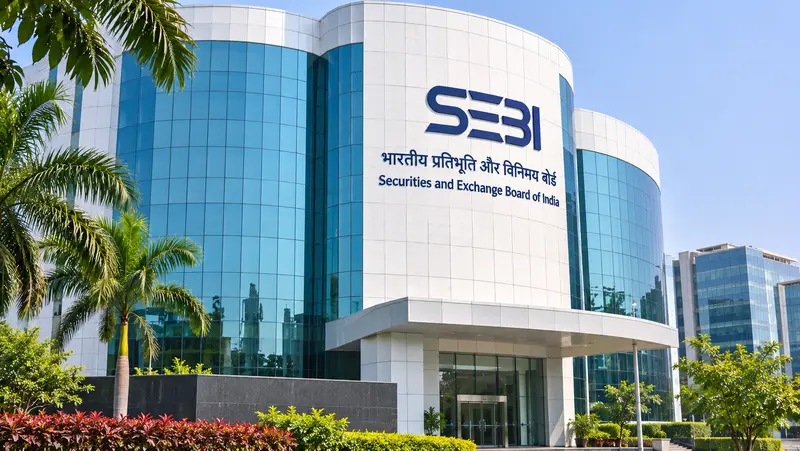
The Securities and Exchange Board of India has issued its observations on the draft IPO papers of three companies, Razorpay, MakeMyTrip and Sembcorp Green Infra, which allows each of them to move to the next stage of a public offering. The approvals were reported on Friday, 13 November 2026. Razorpay's issue has been reported at about Rs 5,000 to 6,000 crore, but the issue sizes for the other two companies were not available in the reports seen, and none of the three has announced an issue date or a price. This article is for information and is not investment advice.
What a SEBI nod is and is not
When a company wants to list, it files a draft offer document with SEBI. SEBI reviews the draft and, if it is satisfied that the disclosures meet its rules, issues an observation letter. The letter allows the company to file its final red herring prospectus with the registrar of companies and open the issue. It is permission to proceed with an offer, and it is not a judgement on the quality of the business, the fairness of the price or the likely return. SEBI states this itself, and investors are told to read the prospectus and its risk factors.
An observation letter also expires. For the standard route, the issue has to open within 12 months of the date on the letter, and for a company that used the confidential pre-filing route the period is longer, at 18 months. A company can therefore choose when to launch inside that window, depending on market conditions.
| Company | What is reported | Not yet known |
|---|---|---|
| Razorpay | Payments company; issue reported at Rs 5,000 to 6,000 crore | Final size, price band, dates |
| MakeMyTrip | Travel company; SEBI observations issued | Issue size, structure, dates |
| Sembcorp Green Infra | Renewable energy company; SEBI observations issued | Issue size, structure, dates |
The three companies
Razorpay filed its draft papers confidentially in June 2026, using the pre-filing route that lets a company keep sensitive details out of public view until it is closer to launch. Shareholders had approved a fresh issue of up to Rs 2,700 crore, and reports describe the rest of the issue as an offer for sale in which early investors would sell part of their stakes. The reported total is about Rs 5,000 to 6,000 crore and the valuation being discussed is around $5 billion, with a listing expected between January and March 2027. Those are reports based on sources, and the final split between new shares and shares sold by existing holders has not been published.
MakeMyTrip and Sembcorp Green Infra were also named in the approvals. The reports seen did not give their issue sizes or structures, and this article does not estimate them. Sembcorp Green Infra is the Indian renewable energy business of Singapore's Sembcorp group, and MakeMyTrip is an online travel company. The details of any offer, including how much is new capital and how much is a sale by existing shareholders, will appear in the documents that each company files.

What happens next
The next steps are set out in SEBI's rules. For a company that used the pre-filing route, there is a public stage in which an updated draft is filed and put out for comments for 21 days, followed by the final prospectus with the price band. For others, the company files the red herring prospectus, announces the price band and opens the issue for three working days. Anchor investors usually bid the day before the public issue opens.
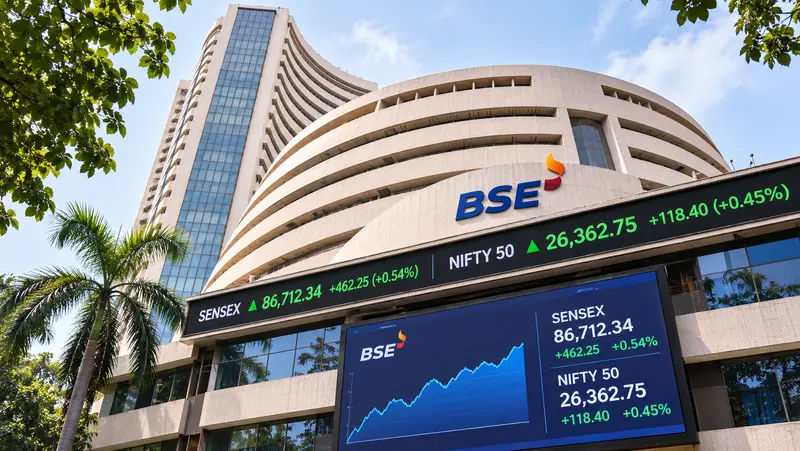
Market conditions will decide the timing. Indian shares fell on Friday, with the Sensex down 0.39%, and interest-rate fears are weighing on sentiment, and a company with an approval in hand may wait for a better window. The three approvals show that the pipeline of large issues is still moving, but a nod from the regulator is only the first of several gates.
The prospectus is the document that matters. It sets out the price band, the objects of the issue, the risk factors, the financial statements and the share of the offer that is reserved for each class of investor. In a typical book-built issue, a portion is reserved for qualified institutional buyers, another for non-institutional investors and one for retail applicants, though the split can vary with the issue. Investors can compare the company's stated use of funds with its recent results, and check how much of the money goes to the company and how much goes to selling shareholders.
For retail investors the practical points are simple. Nothing can be applied for until the company announces the dates, and a company's valuation, the use of the money raised and the share of the offer that is a sale by existing owners are the figures to read in the prospectus. The regulator's observations show up on its website, and the stock exchanges publish the issue calendar once an offer is announced.
Sources
About the Author
A
Amita Sahani
Staff Writer
Amita Sahani writes for Wirony. Every story under this byline is reviewed and approved by an editor before it is published, and corrections are made openly.
A
4 min
What did you think?