/
Xi, Trump and Putin to meet in Shenzhen in a first three-way summit, China confirms
China's foreign ministry said on 16 November that Xi Jinping, Donald Trump and Vladimir Putin will hold their first face-to-face meeting this week in Shenzhen on world peace and strategic stability. Trump says nuclear arsenals, Iran and Ukraine are on his list.
R
5 min
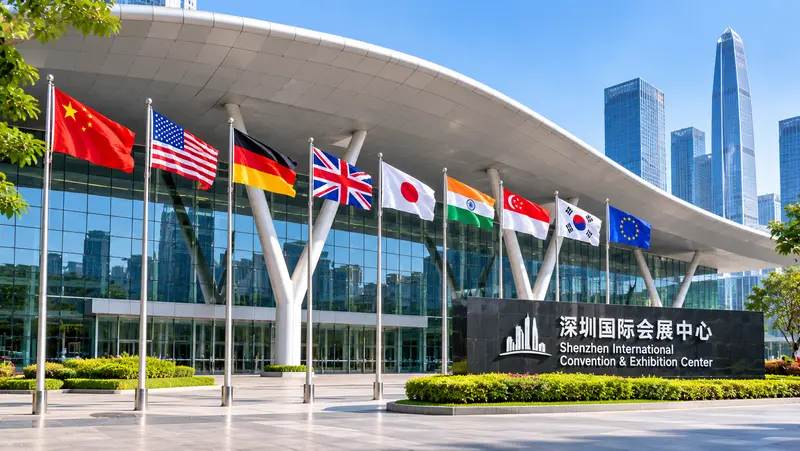
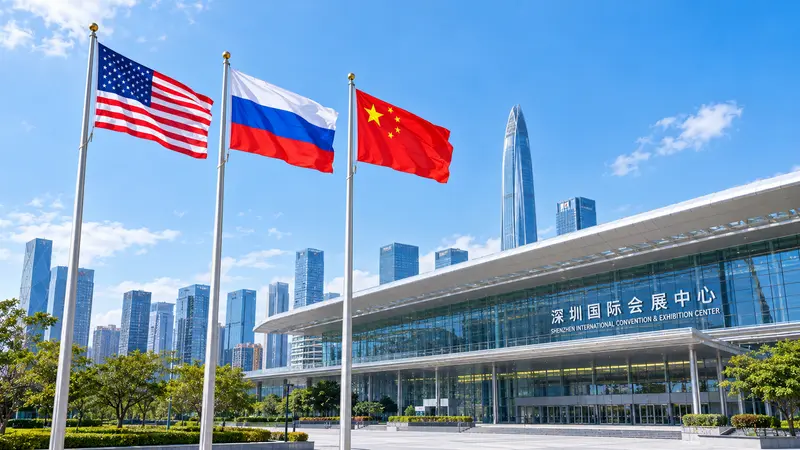
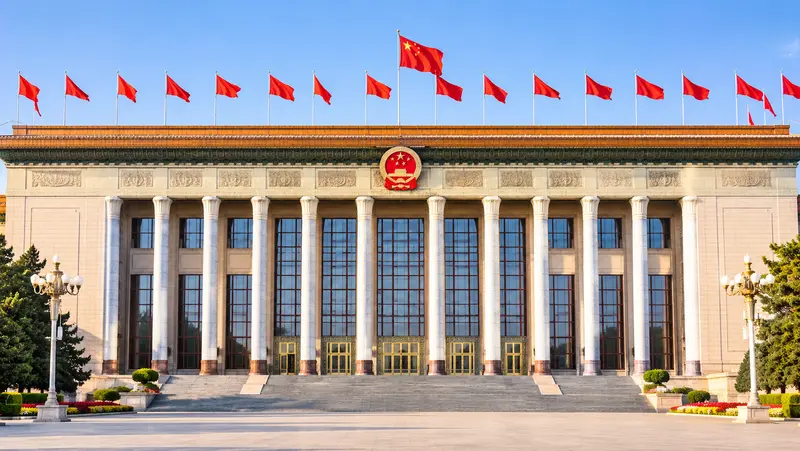
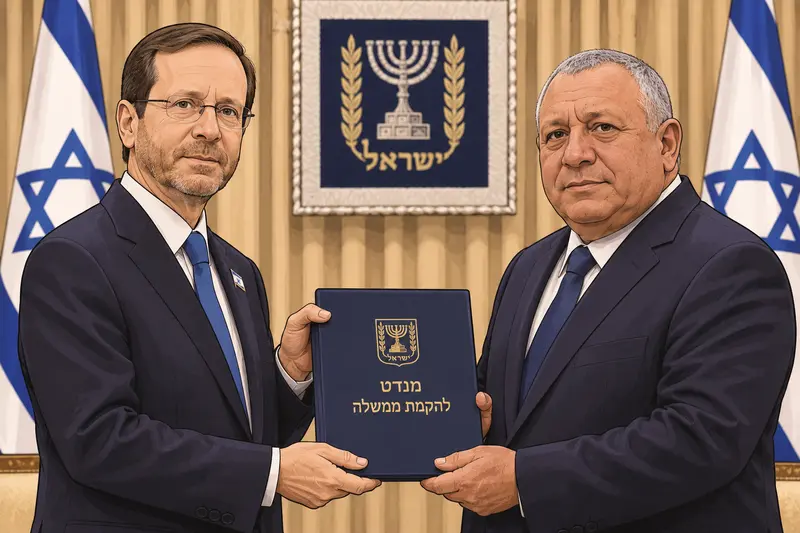
China's foreign ministry confirmed on Monday, 16 November 2026, that the presidents of China, Russia and the United States will meet in Shenzhen this week, the first face-to-face meeting of the three heads of state. Spokesperson Mao Ning told the ministry's regular press conference that Xi Jinping, Vladimir Putin and Donald Trump will hold "an in-depth exchange of views on safeguarding world peace" and on "enabling strategic stability in major-country relations". She called the meeting "of groundbreaking significance". The three-way meeting is expected on Thursday, 19 November, on the sidelines of the Asia-Pacific Economic Cooperation leaders' summit in the southern Chinese city.
Beijing confirmed the summit a few hours before the briefing. The Kremlin and the White House had confirmed the three-way meeting earlier.
What is known about the meeting
Ms Mao said it will be "the first ever face-to-face meeting between the Chinese, Russian and U.S. heads of state". Asked about reports that the leaders would discuss nuclear arms control and the war in Iran, she did not confirm either topic and said: "We will release information about the summit in a timely manner." Asked about bilateral meetings on the sidelines of the APEC summit, she said she had no information to share at the moment.
She noted that China, Russia and the United States are founding members of the United Nations and that the three fought side by side to win the World Anti-Fascist War. She added that "the two sides are in communication" when asked whether a US-led agreement on artificial intelligence supply chains would affect the meeting, and said there should be no drawing of lines along ideological differences or forming of exclusive groupings.
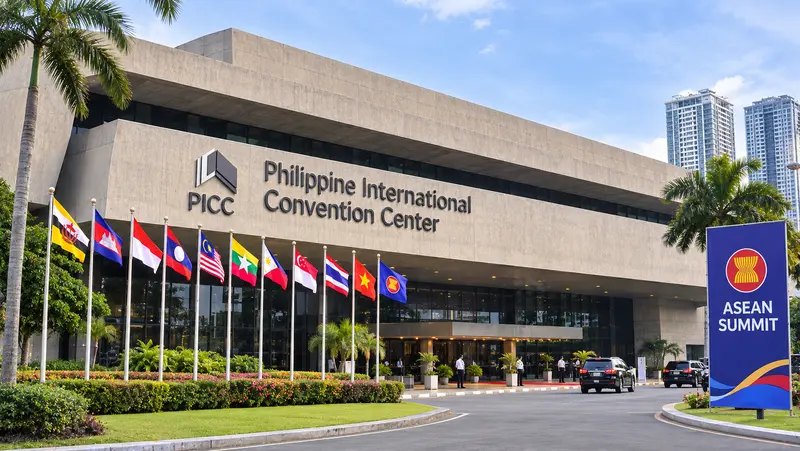
Mr Trump left for Asia on Monday. His trip begins in Manila and goes on to Shenzhen. In Manila, Prime Minister Narendra Modi is also due at the ASEAN-India and East Asia summits from 16 to 18 November.
The week is crowded. Mr Trump's Asia trip starts in Manila, where Mr Modi is also due at the ASEAN-India and East Asia summits from 16 to 18 November, and ends in Shenzhen, where the APEC leaders meet. The Asia-Pacific Economic Cooperation forum brings together 21 economies and is hosted by China this year. The three-way meeting is expected on the sidelines of that forum on Thursday, 19 November, so it will come after the Manila leg and in the same days as the main APEC sessions.
What each side has said it wants
The United States has put the most on the table in public. Mr Trump says he wants to discuss reducing nuclear arsenals, and the talks have been described as the first three-way nuclear discussion of its kind. China has long said that the United States and Russia, which hold far larger arsenals, must reduce them first before it will discuss its own stockpile.
Mr Trump has also said he will raise the war in Ukraine, which is nearly five years old, and the war in Iran. US officials had said on Friday that Ukraine would be avoided, so his remarks differ from that earlier line. He has claimed that Russia is losing 25,000 soldiers a month. He has said he may meet North Korean leader Kim Jong Un while in China, as Washington seeks to re-engage Pyongyang on its nuclear programme.
Ukraine's views have been voiced by others. German President Frank-Walter Steinmeier has said Xi showed "irritation" when Ukraine was raised and quoted him as saying that it is a European conflict in which Europeans must also be at the table. Ukrainian President Volodymyr Zelensky has said he worries that the three leaders could redraw spheres of influence, and he said: "We really don't want this to turn into 'Yalta 2, 3, 4'." The comparison is to the 1945 Yalta Conference, at which the wartime Allies discussed the shape of postwar Europe.
What is not known
Neither China nor the other governments have published a formal agenda, a statement format or a list of documents to be signed. Nothing has been said about whether the leaders will hold a joint news conference or issue a joint statement. China has said it will release information in a timely manner. The Chinese ministry did not mention Ukraine at all in the part of the briefing that dealt with the summit.
The format matters as much as the agenda. A three-way meeting of this kind has no recent precedent: the three leaders have met in pairs and in larger forums, but not alone as a trio. That makes the first questions practical ones. Who sits where, who speaks first and whether there is a joint text are all open, and the shape of the meeting will signal how much each government expects from it. A meeting that produces only statements of intent on peace and stability would be a modest result. A meeting that produces a framework for arms control talks, or a channel on Ukraine, would be a larger one. Beijing's wording so far, about an exchange of views, points to the first.
The meeting comes at a delicate time. Mr Trump had been largely out of public view for several days, amid a nationwide air-traffic ground stop in the United States and his party's losses in the November midterms, which cost it both chambers of Congress. Russia's defence ministry said it shot down 1,336 Ukrainian drones overnight into Monday, the largest overnight drone attack on Russia since the war began.
For India, the meeting matters because the three powers shape the oil, arms and security markets in which it trades, and because Mr Modi will be in the region at the same time. Readers should watch for three things after Thursday: whether a joint statement appears, whether nuclear arms control is formally on the table, and what, if anything, is said about Ukraine.
About the Author
R
Reyaansh Agarawal
Staff Writer
Reyaansh Agarawal contributes to Wirony, covering stories that are carefully reviewed and approved by the editorial team before publication. Wirony is committed to maintaining tran…
R
5 min
What did you think?