/
YES Bank seeks Supreme Court review of ruling on Rs 8,415 crore AT1 bond write-down
YES Bank filed a review petition on 13 November against the Supreme Court's 15 October judgment, which dismissed appeals by the bank, the RBI and the Centre and upheld the Bombay High Court order setting aside the Rs 8,415 crore AT1 write-down of 2020. Reports differ on how far the shares fell.
R
5 min
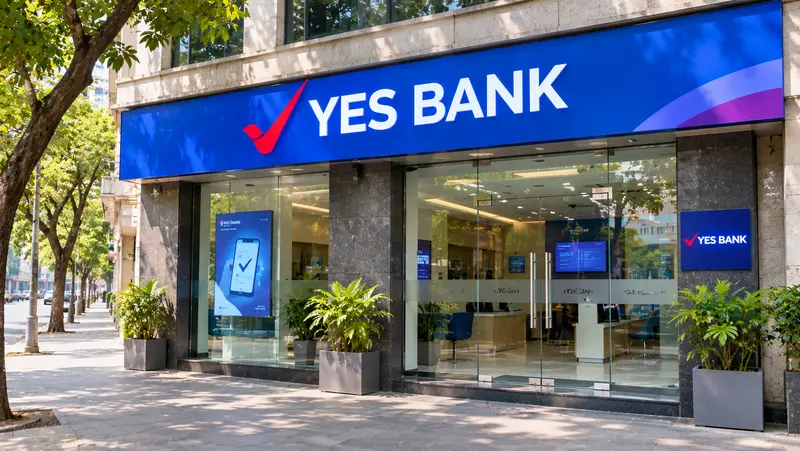
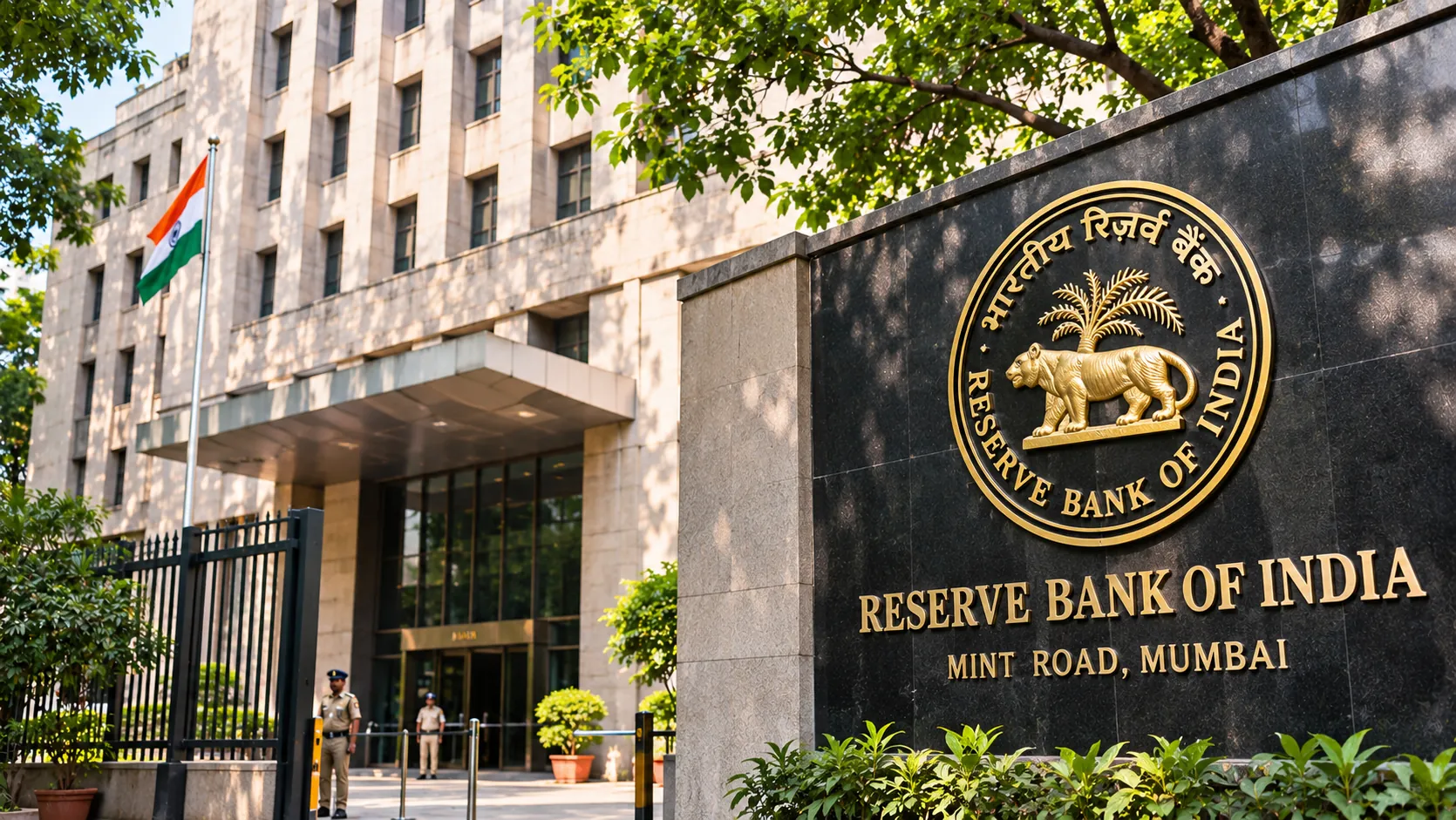
YES Bank has asked the Supreme Court to review its own judgment on the write-down of the bank's Additional Tier 1 bonds worth Rs 8,415 crore. The bank disclosed on Friday, 13 November 2026, that it has filed a review petition against the ruling of 15 October, in which the court dismissed appeals by YES Bank, the Reserve Bank of India and the Union of India and upheld the Bombay High Court's order setting aside the write-down. The petition was filed within the 30 days that the court's rules allow for a review. This report is for information only and the full text of the petition was not available.
What the Supreme Court held
The write-down dates from March 2020, when the bank was put under a reconstruction scheme drawn up by the RBI after a crisis of confidence. As part of the scheme, an administrator wrote down the bank's Additional Tier 1 bonds, a kind of perpetual bond that banks issue to count as capital. The bondholders, among them investors who had bought the bonds as an income product, lost the value of their holdings. In January 2023, the Bombay High Court set the write-down aside. The bank, the RBI and the Union of India went to the Supreme Court, which stayed that order and issued notices to the bondholders, and then reserved its judgment after hearing arguments.
On 15 October 2026, the court dismissed the appeals. Reports of the ruling, which is cited as Yes Bank Limited v. Axis Trustee Services Limited, 2026 INSC 1132, say the court upheld the High Court's reasoning, which turned on whether the administrator had the authority to write down the bonds after the reconstruction scheme had come into force. One report describes the High Court's view as a procedural one, and another says the Supreme Court held the write-down to be irregular. The judgment itself was not available for this report, so the court's exact reasoning should be read from the text.
| Date | Event |
|---|---|
| March 2020 | Reconstruction scheme; AT1 bonds of Rs 8,415 crore written down |
| January 2023 | Bombay High Court sets the write-down aside |
| 2023 | Appeals filed; Supreme Court stays the order and issues notices to bondholders |
| 15 October 2026 | Supreme Court dismisses the appeals |
| 13 November 2026 | YES Bank files a review petition |
The ruling hit the shares. Reports differ on the size of the fall, with one saying the stock dropped about 20% during the day and another putting the fall at 15%. The bank's own position was that it did not expect a major financial impact, while one analysis said that the judgment raised the possibility of fresh financial liabilities for the bank. The bank has not published a figure for any exposure, and none is given here.
What a review petition is
A review petition asks a court to correct an error in its own judgment. The Supreme Court can review a judgment under Article 137 of the Constitution and under its rules, and such petitions are normally considered by the same judges in chambers, without oral argument, unless the court decides otherwise. The grounds are narrow: an error apparent on the face of the record, discovery of new and important evidence, or another sufficient reason. A review is not an appeal, and the court does not re-hear the case. Review petitions are rarely allowed.
If the court rejects the review, a litigant can file a curative petition, which is an exceptional remedy, but the court has said it is open only in limited circumstances such as a gross miscarriage of justice. The accounts available do not say what grounds the bank has put forward.
Who is affected
The people with most at stake are the bondholders, who won in the High Court and the Supreme Court and whose bonds are no longer treated as written off, and the bank, which has to reckon with what that means for its balance sheet. The RBI, which designed the scheme, and the Union of India were also appellants, and the ruling has implications for how regulators write down capital instruments in a rescue.
What happens next is procedural. The petition has to be listed, the judges decide whether to call for a response, and the court passes an order. Until then, the 15 October judgment stands. Readers who hold the bank's shares or bonds should read the bank's disclosures to the stock exchanges and any order of the court, which are the only sources that can say whether anything has changed.
Additional Tier 1 bonds are perpetual bonds that banks sell to raise capital under the Basel III framework. They pay a higher return than ordinary bonds because they carry more risk: the bank can skip the coupon and, under the RBI's rules, the bonds can be written down or converted when the bank reaches a point of non-viability, which means that regulators decide the bank cannot survive without support. The question in the YES Bank case was not whether such a write-down can ever happen, but whether the administrator who wrote down the bonds in March 2020 had the authority to do it under the reconstruction scheme that was in force. That is why the case is read as a test of the regulator's powers as much as of the bank's duties to investors.
Sources
About the Author
R
Reyaansh Agarawal
Staff Writer
Reyaansh Agarawal contributes to Wirony, covering stories that are carefully reviewed and approved by the editorial team before publication. Wirony is committed to maintaining tran…
R
5 min
What did you think?