/
India crosses 300 GW of non-fossil capacity: 54% of the plants, but about 29% of the power generated
Vice President C.P. Radhakrishnan cited India's 300 GW non-fossil milestone on 5 November. Official data put it at 300.50 GW on 31 July, over 54% of capacity, yet non-fossil sources gave only 29.2% of generation in 2025-26. The 500 GW target for 2030 needs about 3.8 GW a month.
R
5 min
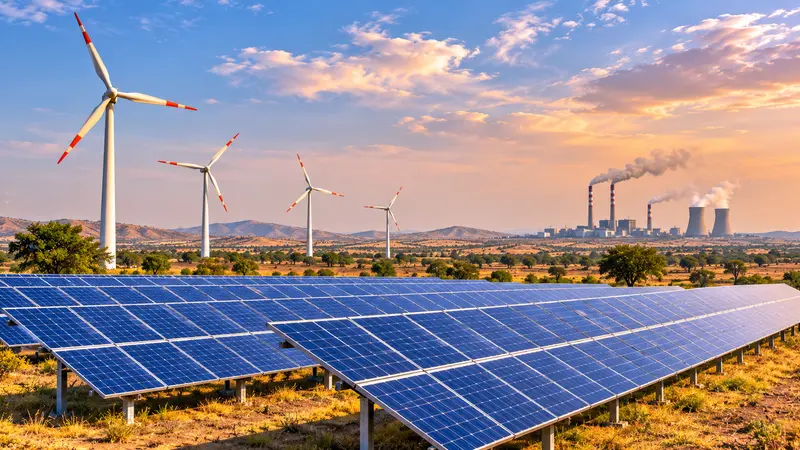
India's non-fossil power capacity has crossed 300 gigawatts, Vice President C.P. Radhakrishnan said at the valedictory session of the Bharat Renewable Energy Summit and Expo on 5 November 2026. New and Renewable Energy Minister Pralhad Joshi told the event that more than Rs 15 lakh crore has been invested in the sector over the past decade, nearly Rs 6 lakh crore of it since the 2024 summit in Gandhinagar.
The official record gives the detail. A government factsheet of 13 August puts non-fossil capacity at 300.50 GW on 31 July 2026, more than 54% of an installed total of about 552 GW. In 2014 India's whole power fleet stood at 249 GW. So non-fossil capacity alone is now larger than the entire system of 12 years ago.
That is a real achievement. It is also only half the story, because capacity and electricity are different things.
What makes up the 300 GW
| Source, 31 July 2026 | Capacity (GW) |
|---|---|
| Solar | 164.59 |
| Wind | 58.14 |
| Hydro, including small hydro | 57.24 |
| Nuclear and bio-power (balance) | about 20.5 |
| Total non-fossil | 300.50 |
Solar accounts for more than half of the total, and the balance of about 20.5 GW is what remains after the three figures the factsheet lists. On 31 March 2026 the non-fossil figure was 283.46 GW, so about 17 GW arrived in four months, or about 4.3 GW a month. Rooftop solar is a growing part of this: official figures put PM Surya Ghar at 51.58 lakh households and 14.8 GW.
Why 54% of capacity gives about 29% of power
In 2025-26 non-fossil sources supplied 538.97 billion units, or 29.2% of generation, according to official data. The same factsheet says coal supports more than 70% of electricity generation and nearly 55% of primary energy needs.
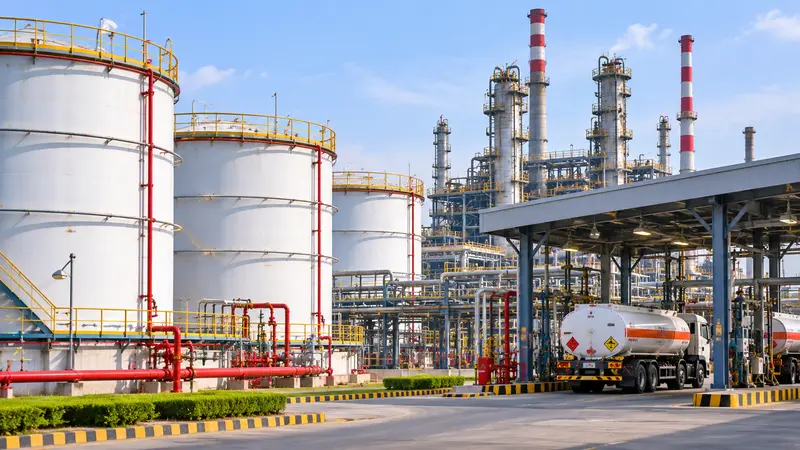
The gap comes from how plants run. Capacity measures what a plant could produce at full output. Generation measures what it did produce. A solar plant works only in daylight and a wind farm only when the wind blows, so each delivers a much smaller share of its rated capacity across a year than a coal unit that can run day and night. Hydro depends on water and season. Coal fills the rest, and it is called on most at night, when solar stops and demand stays high.
This is why the 54% figure, though correct, should not be read as "more than half of India's electricity is clean". It is not, and the difference matters for emissions, because the climate is affected by what is burned and not by what is installed.
Why it matters
India's formal commitments are stated in capacity terms. The national goal is 500 GW of non-fossil capacity by 2030. Under the Nationally Determined Contribution for 2031-35 that India submitted this year, it aims for about 60% non-fossil installed capacity by 2035, and a 47% cut in the emissions intensity of GDP from 2005 levels. Against the earlier 2030 pledge of 50%, the capacity share target was met years ahead of schedule.
The next step is harder. Reaching 500 GW by the end of 2030 needs about 200 GW more in 53 months, or about 3.8 GW a month. The recent pace of 4.3 GW a month would be enough if it holds. But adding capacity is no longer the only constraint. Three others now weigh more.
More from BusinessExplore Business
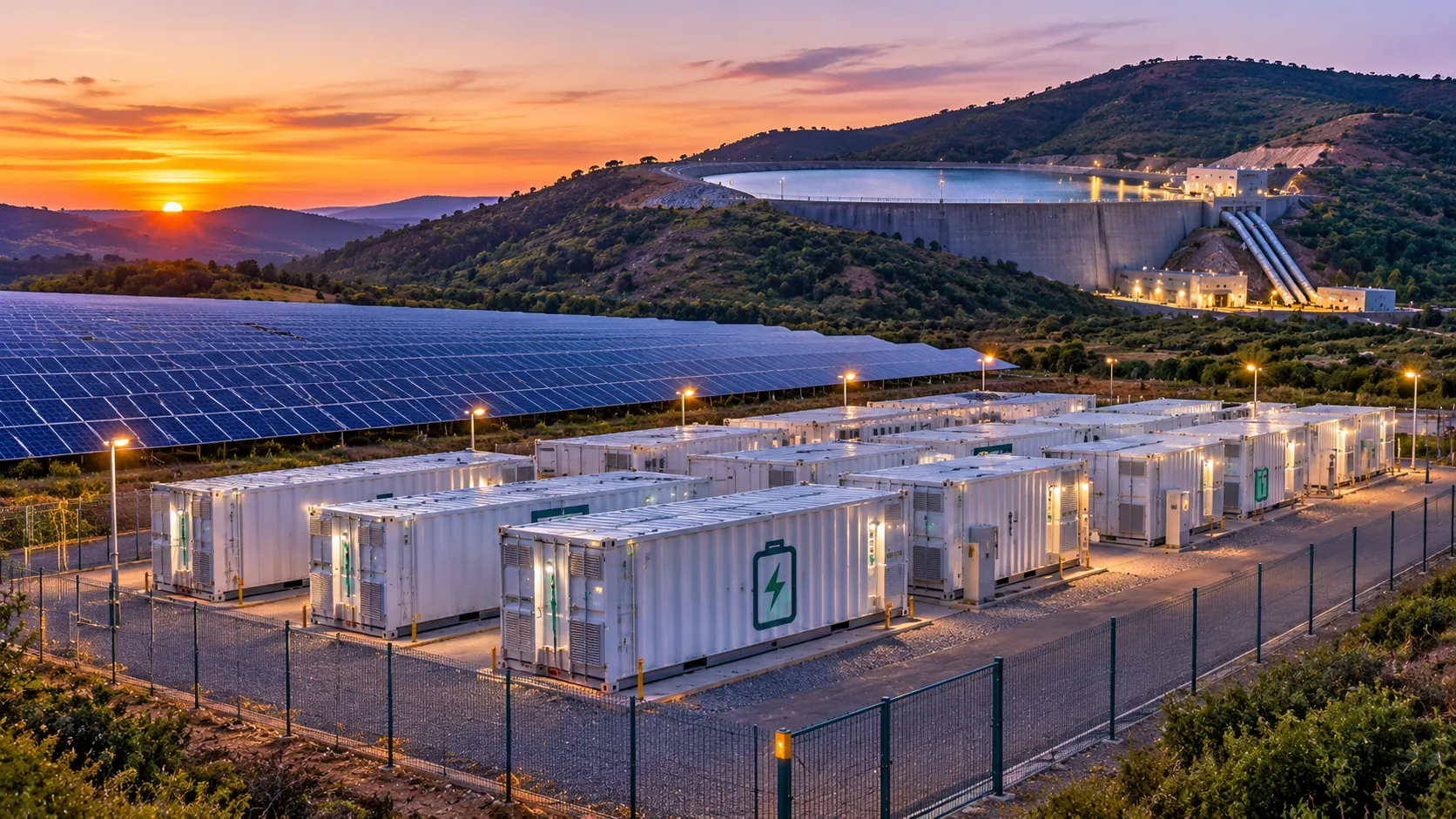

Storage. Solar peaks at midday, while demand peaks in the evening. Without storage, more solar means more power at the wrong hour. Power Ministry data show installed battery capacity above 1 MWh of about 8.66 GWh on 30 June 2026, against a projected need of 411 GWh of grid-scale storage by 2031-32. The Cabinet's 92 GWh storage scheme is meant to help close that gap.
Transmission. Good solar and wind sites are often far from cities and factories. Capacity that cannot reach the grid does not reduce coal burning.
Demand and coal. Electricity demand keeps growing, so renewables are at present meeting much of the new load and not displacing coal. The government still treats coal as central to energy security, and India is the world's second-largest coal producer. Coal output was 1,040.08 million tonnes in 2025-26. Critics of the capacity-based targets argue that they flatter progress, and that a target for generation share would be a more honest measure. However, the government's position is that a developing economy must add supply first, and that its per capita emissions remain low, a case it will take to the climate talks in Antalya next week.
The number to follow from now on is not the capacity total but the generation share, published monthly and annually by the Central Electricity Authority. If non-fossil generation moves from 29% towards 35% and above over the next few years, the transition is reaching the grid. If capacity keeps rising while that share stays flat, it is not.
Two further signals will help. One is whether the storage pipeline is built on time. The other is how much renewable capacity has to be turned down at midday because the grid cannot absorb it. Both will show whether the next 200 GW is worth as much as the last.
The 300 GW mark, then, is a genuine milestone in building, and it is worth marking. It says India can put up clean plants at a scale few countries have matched, in 12 years during which the whole fleet more than doubled. The harder test, moving the electricity itself away from coal, is the one that begins now.
Sources
About the Author
R
Reyaansh Agarawal
Staff Writer
Reyaansh Agarawal contributes to Wirony, covering stories that are carefully reviewed and approved by the editorial team before publication. Wirony is committed to maintaining tran…
R
5 min
What did you think?