/
UN warns of 'security vacuum' as Lebanon force ends in December, with no follow-on presence agreed
UN peace operations chief Jean-Pierre Lacroix said on 4 November the UN is losing long-standing missions with no guarantee of stability. About 7,500 UNIFIL troops cease operations at the end of 2026, the Security Council has agreed no follow-on, and the Western Sahara mission closed on 31 October.
R
5 min
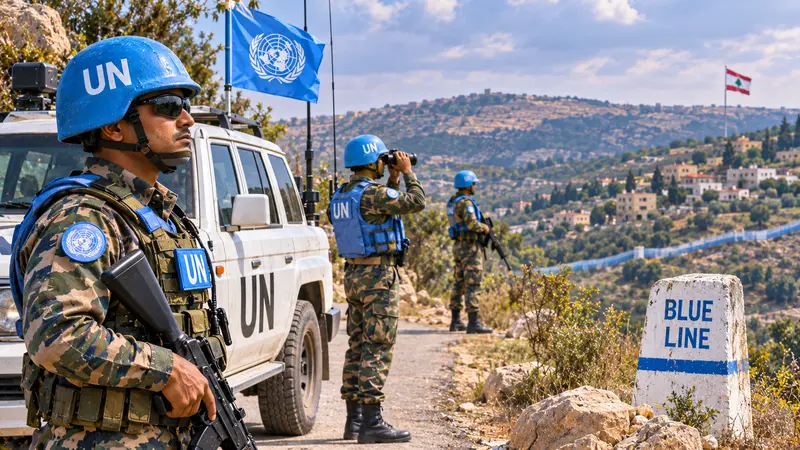
The United Nations is about to lose two of its longest-standing military deployments with no guarantee that stability will hold after they leave, its peace operations chief warned on 4 November 2026. Briefing journalists at UN Headquarters in New York, Under-Secretary-General Jean-Pierre Lacroix said the Western Sahara mission closed at the end of October after 35 years, and that the force in southern Lebanon is due to cease operations on 31 December.
"What happens when there is no longer a third-party presence between the Lebanese army and the Israel Defense Forces?" Lacroix asked, in remarks published by the UN. The Security Council has so far agreed no follow-on arrangement.
Why the Lebanon force is ending
The UN Interim Force in Lebanon, UNIFIL, has patrolled the border area since 1978. About 7,500 peacekeepers are still serving. The force acts as a go-between for the Lebanese and Israeli armies, monitors violations and helps humanitarian aid get through.
Its end was set on 28 August 2025, when the Security Council unanimously adopted Resolution 2790. The text extended the mandate for a final time until 31 December 2026, to be followed by a drawdown and withdrawal within one year. It also asked the Secretary-General to present options by 1 June 2026 for how Resolution 1701, the framework for the border, would be carried out after UNIFIL. The United States had pressed for Lebanese forces to take over, while France warned of the risks of an early exit.
Secretary-General António Guterres put forward options in June. The Council has yet to agree on any of them. Lacroix urged members to decide what form a future international presence could take.
Lacroix has just returned from Lebanon. He said President Joseph Aoun and Prime Minister Nawaf Salam told him they feared a "security vacuum" once the peacekeepers leave, with no one left to stop border incidents from turning into clashes. He also raised questions about the future of the Blue Line, which the UN drew to mark Israel's withdrawal from Lebanon in 2000.
There is a humanitarian side too. Lacroix offered a cautious estimate that about 10,000 people are still living between the Blue Line and the forward defence line that Israel has set up inside Lebanese territory. Their access to aid depends heavily on UNIFIL. If the force stops operating, no alternative channel has been agreed for reaching them.
The Lebanese Armed Forces are expected to take on more of the task, which raises a question of capacity. Supporters of the withdrawal argue that a long-running foreign force cannot replace a national army. However, the warning from Beirut's own leaders is that the handover is coming faster than the means to carry it out.
Western Sahara: the same deadlock
The Western Sahara mission shows what deadlock looks like in practice. The UN Mission for the Referendum in Western Sahara, MINURSO, shut down on 31 October after Council members failed to agree on renewing its mandate. Russia vetoed a United States draft that would have reshaped the mission around a solution based on autonomy under Moroccan sovereignty. A rival Russian text calling for a one-year renewal fell short of the nine votes needed.
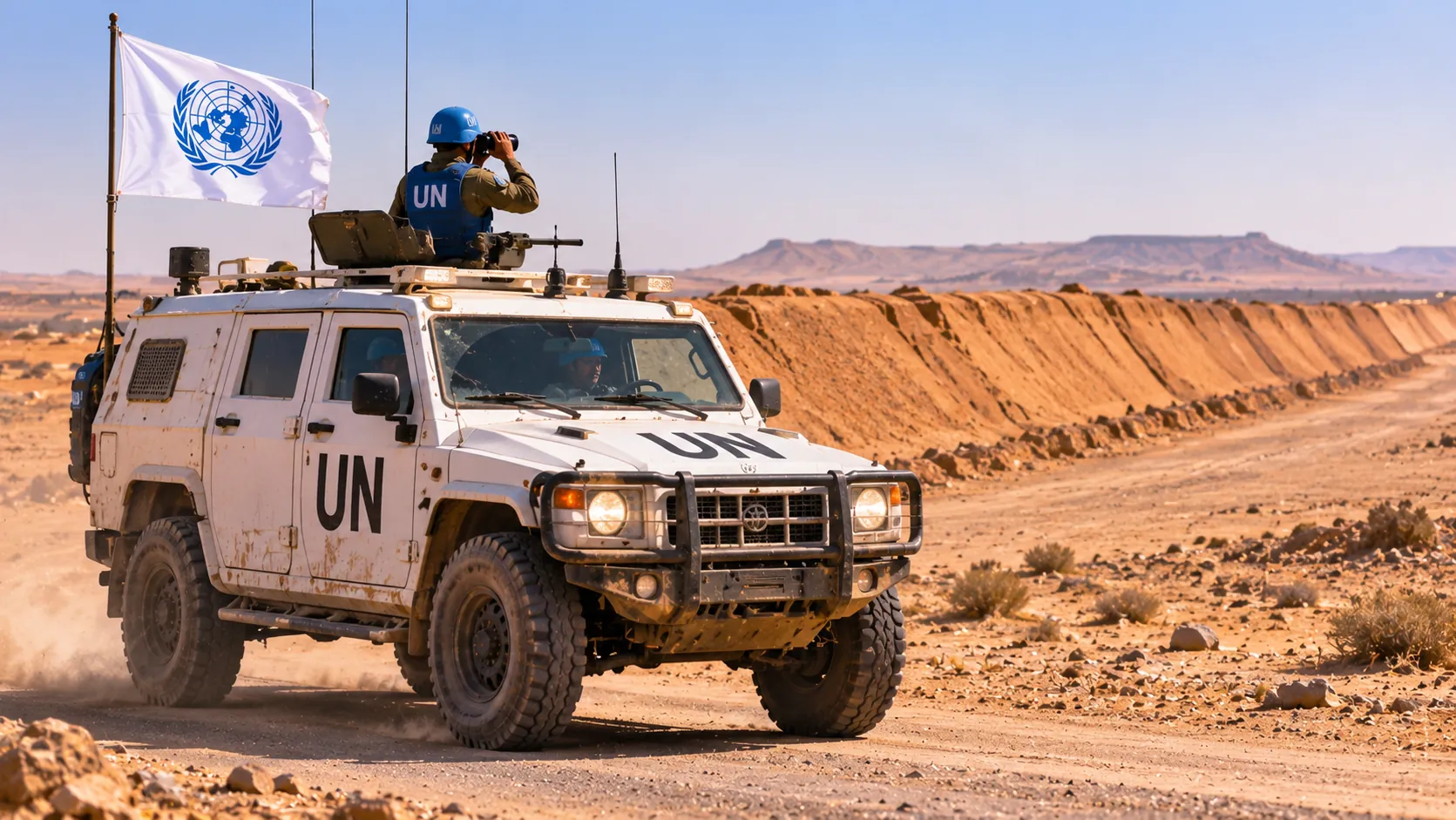
MINURSO was set up in 1991 to monitor a ceasefire between Morocco and the Polisario Front. It never held the referendum on self-determination that it was created to organise, and hostilities in the territory resumed in 2020. Lacroix confirmed that the mission is in its liquidation phase. The UN says it remains committed to a political solution and is urging restraint.
The two cases have different causes, but they have a common thread. In both, the Council's major powers could not agree on what should come next, and the result was an ending rather than a change of mission.
Lacroix also described other strains. In Syria and the Golan, UN observers are receiving complaints from civilians about detentions, restrictions on movement and seizures of property linked to the Israeli military presence. He said their mediation had led to several people being released and some property being returned.
In Abyei, the territory disputed by Sudan and South Sudan, recent drone attacks have exposed another danger. Peacekeepers are having to adapt to technologies that put both their own personnel and civilians at risk, and the UN is reviewing its military and technological capabilities. But Lacroix said the answer could not be purely technical. Above all, he said, it was a matter of "political responsibility".
Why this matters to India
India is one of the largest contributors of troops to UN peacekeeping and has a direct stake. Official figures from 2024 and 2025 put India's contingent in UNIFIL at about 900 soldiers, out of a force that was then more than 10,000 strong. The current figure was not given in the UN briefing, and the force has since shrunk to about 7,500.
Indian troops will be part of the drawdown, and the force's closure will end one of India's longest-running deployments. It also raises a wider question for a country that has long regarded peacekeeping as a part of its global role. If the Security Council's divisions continue to shorten missions, there will be fewer such roles, and the risks to those who remain, from drones and from shrinking political backing, are growing.
The next step lies with the Council. With eight weeks left before UNIFIL ceases operations, members must decide whether any international presence will follow, and if so in what form. If they do not, the drawdown will proceed, and the question Lacroix asked on 4 November will be answered on the ground.
Sources
About the Author
R
Reyaansh Agarawal
Staff Writer
Reyaansh Agarawal contributes to Wirony, covering stories that are carefully reviewed and approved by the editorial team before publication. Wirony is committed to maintaining tran…
R
5 min
What did you think?