/
India's daily multimodal AI use to nearly double from 22% to 43% by 2030, says Ericsson ConsumerLab report
An Ericsson ConsumerLab report says daily use of multimodal AI in India will rise from 22% of smartphone users to 43% by 2030, above a projected global 30%. It also expects 38% of users to use task-doing AI assistants by 2030 and warns that networks need better uplink and response times.
P
4 min
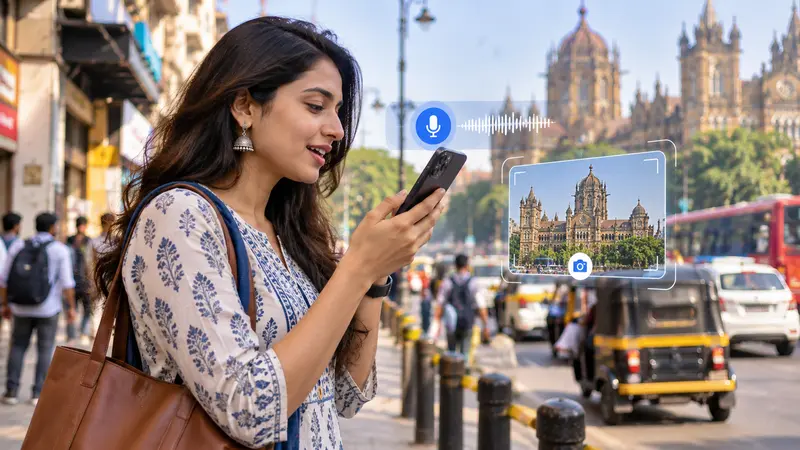
Daily use of multimodal artificial intelligence in India is expected to nearly double by 2030, from 22 per cent of smartphone users today to 43 per cent, according to a report by Ericsson ConsumerLab. The projection is higher than the 30 per cent it expects worldwide, up from 10 per cent now. The report is based on responses from more than 43,000 smartphone users aged 15 to 69 in 27 markets, including India, and its figures reach this article through press coverage and not through the full report.
What multimodal means
A multimodal system is one that handles more than one kind of input and output, such as text, voice, images and video. A person who speaks a question to an assistant and gets back a spoken answer, or who points a phone camera at an object and asks what it is, is using it. The report says that consumers are moving from occasional use to frequent use across devices and places, and it expects three things to triple around the world by 2030: daily multimodal use, the use of several devices and the number of on-the-go places where people use it.
Super users and agents
The report uses the term 'super users' for people who use these tools heavily. Around the world, about 10 per cent of consumers are super users today, and the report expects the share to reach 30 per cent by 2030. This group is expected to produce more than 80 per cent of all activity. For them, response time has two and a half times more influence on how satisfied they are with their network than it has for an average user.
The second trend is the rise of assistants that carry out tasks and do not just answer questions, such as booking tickets, comparing products or managing a schedule. The report says that 38 per cent of smartphone users in the surveyed markets expect to use such assistants by 2030, up from 4 per cent now, and that users expect them to save about an hour of screen time a day.
What it means for networks
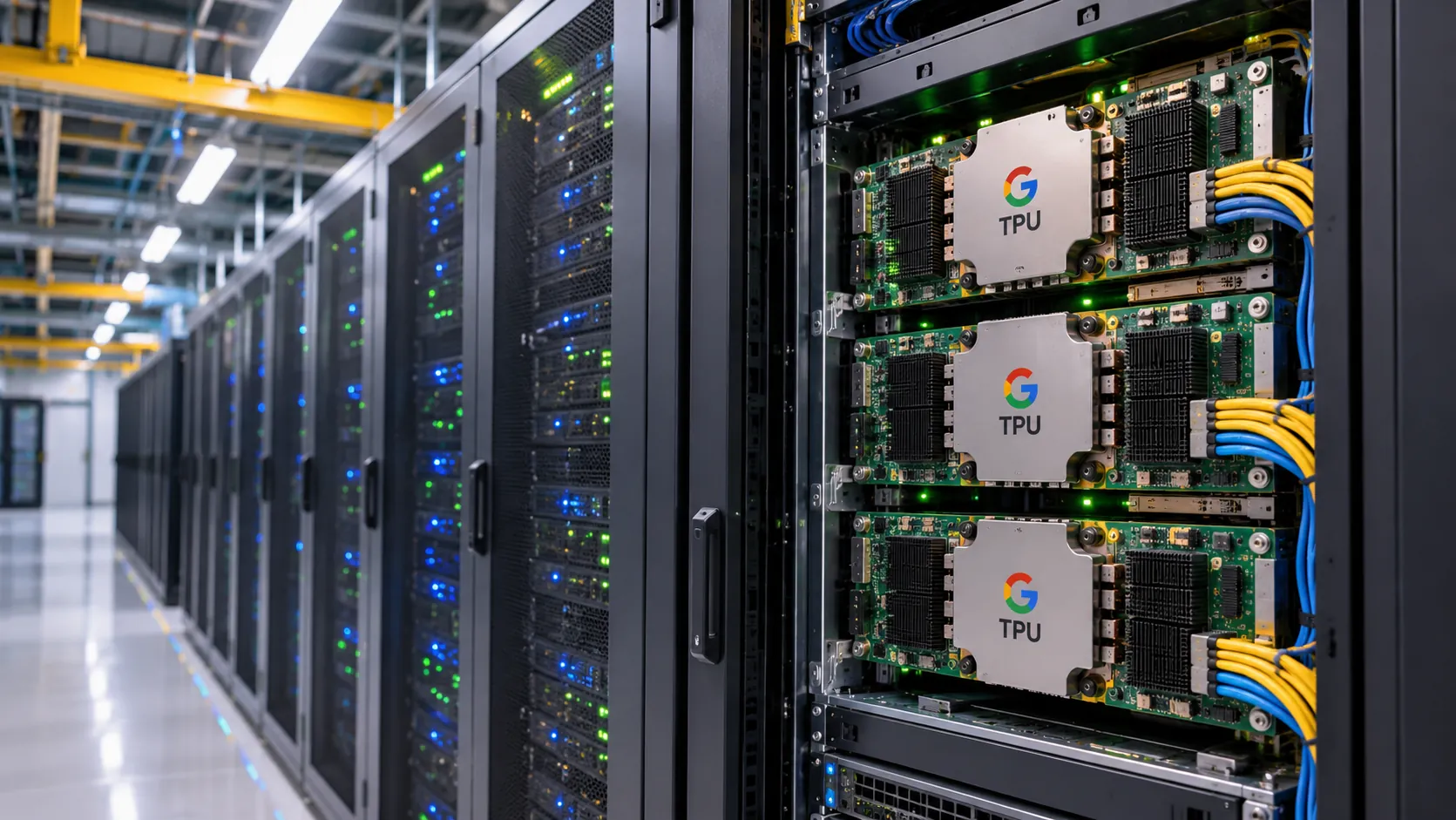
Ericsson is a maker of telecom equipment, and the report is interested in what the change will do to networks. It says that mobile traffic will become more upload-heavy and more unevenly distributed, since people will be sending photos, video and voice to AI services from many places. That raises the importance of responsiveness and of uplink capacity, which is the speed at which data goes from the phone to the network.
Ericsson India's managing director, Nitin Bansal, said that AI is becoming a core part of how consumers search, create and communicate, and that high-performing networks will be important to support it. That is the view of a company that sells such networks, and it should be read as such, but the technical point is a fair one. A voice assistant that has to wait for a slow connection loses its appeal.
The report also records a worry. More than half of daily AI users are strongly concerned about fake or hacked AI assistants, which are applications that pretend to be a trusted service in order to steal information or money. Communication service providers were ranked the most trusted bodies for verifying the identity of such assistants, ahead of other kinds of company. The finding suggests that telecom operators may be asked to play a role in checking that an assistant is genuine, much as they have been asked to deal with fake calls and messages.
Surveys of this kind measure what people say they do and expect to do, and the projections for 2030 are the company's estimates. India's higher share partly reflects the fact that it has a very large number of smartphone users who are young and keen on voice and video, and that the cost of mobile data is low. It also reflects languages: a voice assistant that understands Hindi, Tamil or Bengali brings the technology to people who do not type in English.
The report does not say what share of Indian users have difficulty with connection quality, which varies widely between cities and the countryside. If the use of AI doubles but the networks and devices in many places stay as they are, the experience will be uneven. The conclusion that the report draws for operators is to invest in uplink, in latency and in coverage. For users, the practical points are to be careful about which assistants they trust, and to check that an application is genuine before sharing personal details with it.
P
4 min
What did you think?