/
Delhi air turns severe with AQI at 494; Sirsa issues 50% workforce direction
The CPCB recorded Delhi's overall AQI at 494 on Friday, 13 November, with a 24-hour average of 403 and 16 severe stations. Minister Manjinder Singh Sirsa issued a 50% workforce direction, and Vayu Rakshak teams get body cameras.
A
5 min
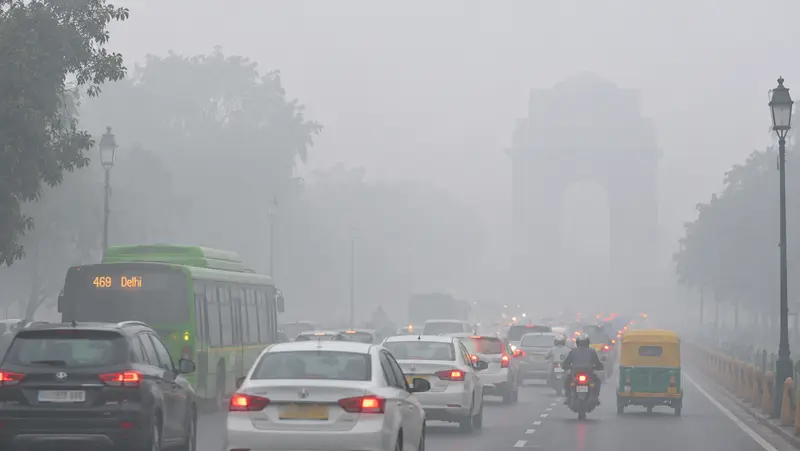
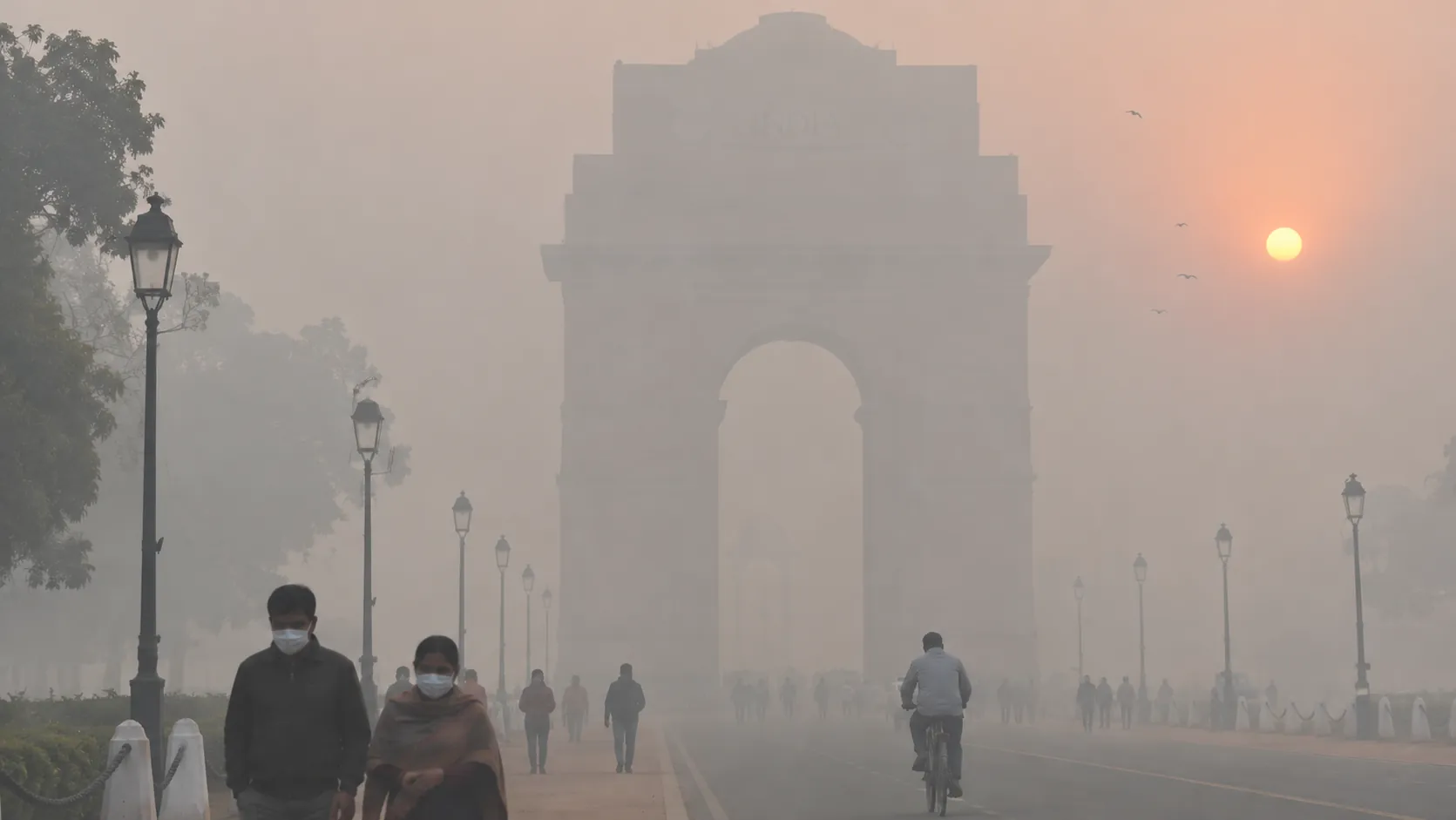
Delhi's air quality turned severe on Friday, 13 November, with the Central Pollution Control Board (CPCB) recording an overall Air Quality Index (AQI) of 494 at 7:31 am. The city's 24-hour average AQI reached 403, which also falls in the severe category.
The Delhi government has responded on two fronts. Environment Minister Manjinder Singh Sirsa has issued a direction covering 50% of the workforce, and the government is equipping its Vayu Rakshak teams with body cameras as the pollution crisis deepens.
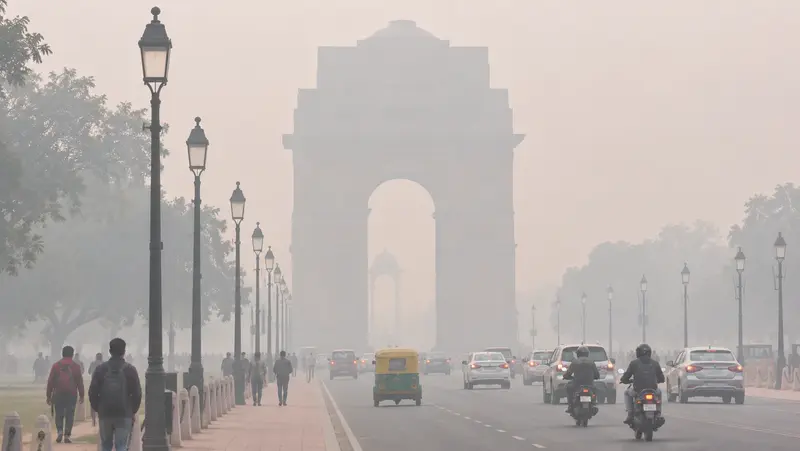
CPCB data shows 16 monitoring stations in the capital logged severe pollution, among them IIT Delhi, ITO and Anand Vihar. At several locations the AQI went past 400. Dense fog covered the city on the same day.
The damage was not confined to Delhi. Ballabgarh in Haryana also reached the severe level, while Noida, Gurugram and Faridabad recorded very poor air. The central government's Air Quality Early Warning System for Delhi projects that severe conditions will continue across the region.
Sirsa's 50% workforce direction
Sirsa's direction is the most direct administrative step to follow the readings. As pollution worsened across the national capital, the Delhi Environment Minister directed that half of the workforce be brought under the instruction. The proportion is the one firm detail the available record gives.
The material does not say which offices or employers are covered, nor the date from which the direction applies, nor the provision under which Sirsa acted. What it does fix is the timing: the direction came when the overall AQI stood at 494, a level described as hazardous.
The second measure concerns enforcement in the field. The Delhi government announced that Vayu Rakshak teams will be fitted with body cameras. The decision was made as the AQI crossed 400 at several locations and the city entered the severe category.
The two steps work in different directions. One touches the working arrangements of a large share of staff. The other changes what the Vayu Rakshak teams carry when they are out in the city, and it gives the government a recording of what they encounter.
Neither announcement came with a stated rationale beyond the state of the air. Sirsa's direction followed the sharp rise in the readings, and the camera decision followed the AQI's move past 400.
Sixteen stations and a 494 reading
The CPCB figures show how widely the air deteriorated. Sixteen monitoring stations in Delhi recorded severe pollution. IIT Delhi, ITO and Anand Vihar were named among the places where levels reached that band, and the data covered stations across the city rather than a single district.
The two headline numbers measure different things. The 494 was the overall AQI at 7:31 am on Friday, a snapshot taken in the morning and labelled hazardous. The 403 is the 24-hour average, which spreads across the whole day and still lands in the severe category. An average that high means the poor air was not confined to one early hour.
Fog was part of the day's conditions. Dense fog shrouded the capital as the morning reading came in, and the CPCB's station-level data was reported against that backdrop.
The pollution did not stop at Delhi's boundary. Ballabgarh, in Haryana, was in the severe band on the CPCB's scale. Noida, Gurugram and Faridabad, three neighbouring hubs in the National Capital Region, recorded very poor air, which is one step below severe.
That spread changes how the figures read. A city reading of 403 sits inside a wider pattern in which towns on several sides of Delhi were also recording poor or severe air on the same day. A measure that tries to reduce exposure inside the capital works against a regional condition that does not respect the city limits.
The CPCB is the national body whose monitoring data underpins these numbers, and its station readings are the basis on which the severe label was applied at IIT Delhi, ITO and Anand Vihar. The workforce direction and the camera decision were both announced against those readings.
Vehicles lead emissions, forecast stays severe
Vehicles were the biggest source of pollution in Delhi on Friday, the day the average reached 403. Traffic, in other words, was the largest single contributor to the day's emissions in the capital. The material available does not break down the other sources or give their shares.
That finding gives the Vayu Rakshak decision some context. The teams are the government's field presence on pollution, and the body cameras are being added at a moment when the readings at several locations stood above 400. The material does not describe what the teams will be asked to record, where they will be deployed, or when the cameras will be issued.
The central government's Air Quality Early Warning System for Delhi is the forecasting tool behind the regional outlook. It projected that severe conditions would persist across the region. The projection covers the wider area rather than one monitoring station, which fits the readings from Ballabgarh in the severe band and from Noida, Gurugram and Faridabad in the very poor band.
For residents, the practical meaning of the Friday figures is that an AQI above 400 applied across several parts of the capital at once, and that the morning figure of 494 sat close to the top of the scale. The Delhi government's two announcements, Sirsa's 50% workforce direction and the body cameras for Vayu Rakshak teams, are the measures on record so far.
No date has been set for any review of either step. The early warning system's projection stands as the forward-looking assessment: severe conditions are expected to persist across the region.
About the Author
A
Amita Sahani
Staff Writer
Amita Sahani writes for Wirony. Every story under this byline is reviewed and approved by an editor before it is published, and corrections are made openly.
A
5 min
What did you think?