/
Viral ‘new ₹1,000 note’ with Thanjavur temple image is fake, government says
The government’s fact-check unit on Wednesday said viral posts claiming a new yellow ₹1,000 note will be issued on November 15 are fake. The RBI has made no announcement to reintroduce the denomination, which has been invalid since 2016.
R
4 min
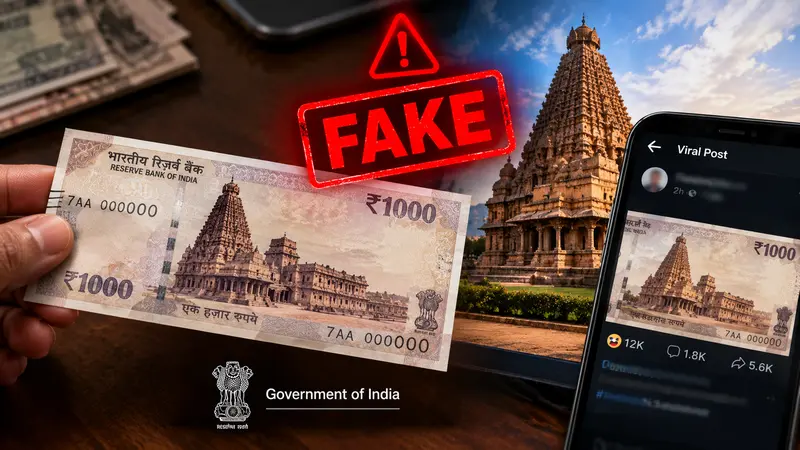
The government on Wednesday moved to shut down fresh rumours about a ₹1,000 banknote, after a yellow-coloured note design featuring the Brihadisvara Temple in Thanjavur spread rapidly across social media with claims it would be issued next month.
The Press Information Bureau’s fact-check unit said the circulating image and the accompanying claim were fake, and that the Reserve Bank of India had made no announcement about introducing a new ₹1,000 note.
Posts shared on platforms including Instagram, X and Telegram had asserted that a redesigned ₹1,000 note had been prepared through the RBI and would be released on November 15. The image showed what looked like a glossy, yellow-hued note, with users presenting it as an official new currency design. The claim drew wide attention because India has not had a valid ₹1,000 denomination in circulation since demonetisation in 2016.
The government’s clarification came as the rumour triggered confusion among the public, with users asking whether the denomination was returning and whether older ₹1,000 notes might regain value.
Viral “temple note” claim debunked
The false posts have followed a familiar pattern: an eye-catching image, a specific future date and the suggestion of RBI involvement. In this case, the temple motif and the colour scheme helped the image travel quickly, with some users presenting it as proof that the central bank had already finalised a new design.
The official fact-check response rejected that narrative outright, stating that the RBI had not announced any plan to issue a ₹1,000 note.
The same wave of misinformation has also been bundled with a separate claim that an older ₹100 note had been “removed” and replaced with a yellow version. The fact-check response treated those assertions as baseless as well, warning people not to believe or forward unverified currency-related messages.
While the viral image has been framed as a government move to bring back the denomination, there has been no official policy signal in that direction in the material available on Wednesday.
The ₹1,000 note is not valid currency in India. The denomination was withdrawn from circulation during the midnight demonetisation announced on November 8, 2016, when the government invalidated the then-existing ₹500 and ₹1,000 notes as legal tender.
That withdrawal was followed by a limited window during which holders could deposit or exchange the discontinued notes through banks and designated channels. That window has now permanently closed, meaning old ₹1,000 notes cannot be exchanged, deposited, or used for transactions.

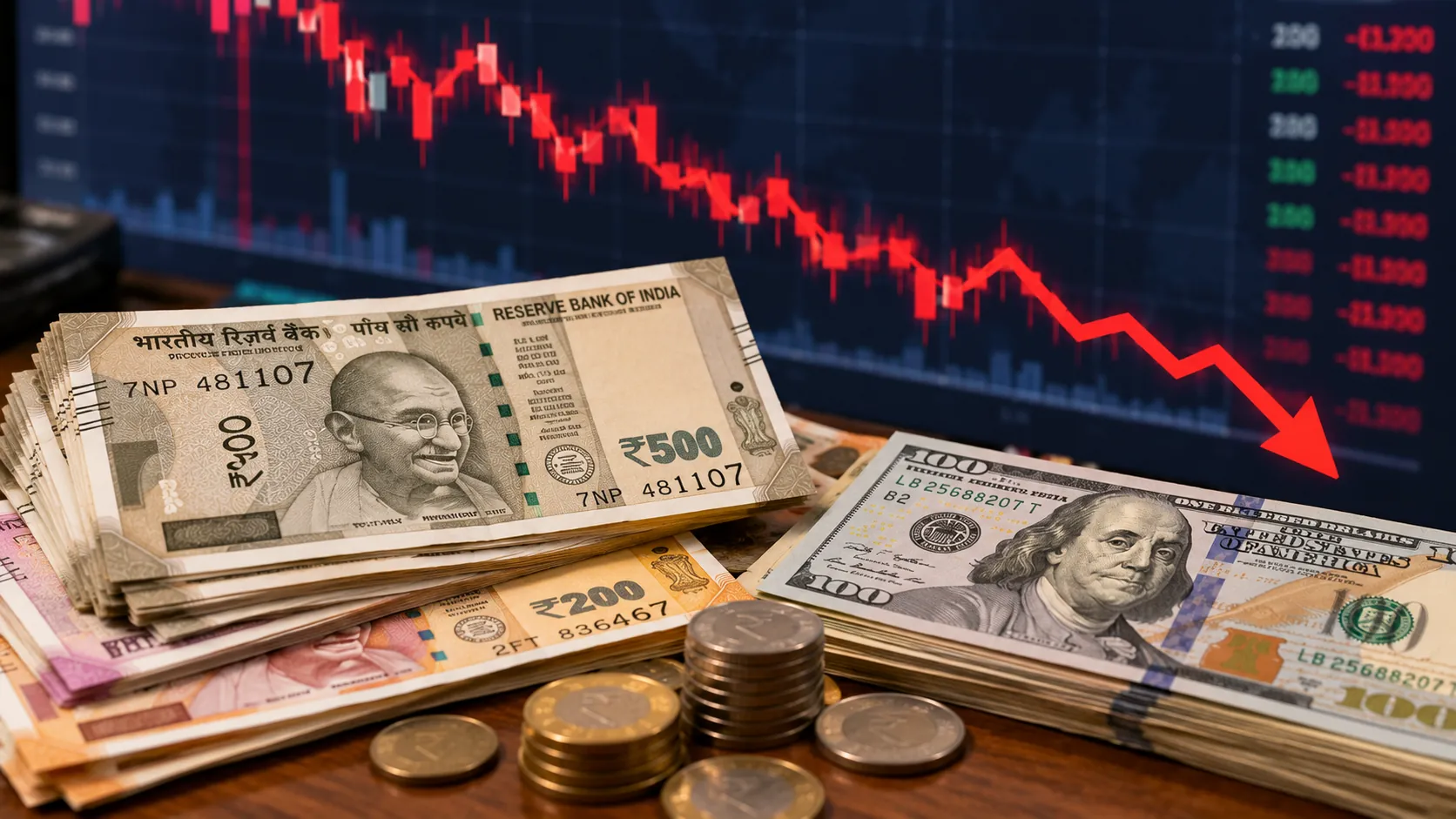

There are also legal restrictions on possession. Under the Specified Bank Notes (Cessation of Liabilities) Act, holding more than 10 pieces of the demonetised notes per individual is illegal and can invite a fine, except where the notes are kept for specific numismatic or research purposes.
In practical terms, that law matters because periodic rumours about “reintroduction” can prompt people to hold on to demonetised currency or attempt to sell it to others. The government’s fact-check response on Wednesday directly addressed that risk by stating the new-note claim was fabricated.
Denominations after ₹2,000 phase-out
The renewed chatter around a ₹1,000 note also reflects how India’s currency mix has changed since demonetisation.
After 2016, new ₹500 notes were introduced and a ₹2,000 note was rolled out. Over time, other denominations were issued as well. The ₹2,000 note was later phased out beginning in May 2023.
With that phase-out, the ₹500 note is now the highest denomination banknote currently in active circulation in India.
That context has helped fuel recurring speculation that the RBI might fill the “gap” between ₹500 and higher-value payments by reintroducing ₹1,000 notes. The material available on Wednesday, however, points the other way: the government has repeatedly dismissed viral claims about a new ₹1,000 note, including the latest version featuring a temple motif.
For consumers, the immediate takeaway is simple. The image being shared is not an official note design, and there is no RBI announcement backing a return of the ₹1,000 denomination.
The fact-check response also serves as a reminder of the basic rule for currency announcements: new banknotes, designs and security features are communicated formally by the RBI and the government, not via forwarded videos, edited images or “release date” posts circulating on social media.
R
4 min
What did you think?