/
Jio Platforms IPO fully subscribed within two hours as institutions drive early demand
Jio Platforms’ ₹30,213-crore IPO opened on Oct 21 and was fully subscribed within two hours, led by QIB demand. By 11:14 am, overall subscription was 1.23x, while retail bids lagged at 0.32x. The issue closes Oct 23 and lists Oct 28.
R
3 min

Jio Platforms’ initial public offering opened for public bidding on Wednesday, 21 October 2026, and was fully subscribed within the first two hours, driven overwhelmingly by institutional demand.
By 11:14 am, the ₹30,213-crore issue had drawn bids for about 24.24 crore shares against 19.75 crore on offer, taking overall subscription to 1.23 times. The qualified institutional buyers (QIB) portion, excluding anchor investors, was subscribed 3.77 times, while the retail category was at 0.32 times and the non-institutional investor (NII) bucket at 0.39 times.
The IPO, among the largest in India, is open until 23 October. Shares are being offered in a price band of ₹1,065 to ₹1,119, with a lot size of 12 shares.
Fast subscription, uneven demand
Early book-building speed highlighted how eagerly large investors have queued for Reliance Industries' digital arm listing. It also exposed a split in the day’s bidding: institutions moved quickly, while smaller investors appeared more cautious in the first few hours.
On the Bombay Stock Exchange website, bids crossed the total shares available within two hours of the opening, with the institutional and wealthy-investor segments filling far faster than the retail portion. Retail investors had bid for nearly 23% of the shares reserved for them by 10.40 am, even as the overall issue reached full subscription.
That pattern matters because headline subscription can mask where the demand is coming from. For retail applicants, the first day’s numbers suggested the rush was not uniform, and that allocation odds could be shaped by whether smaller bids pick up over the remaining sessions.
The issue had already seen heavy interest from anchor investors earlier in the week, with reports indicating the anchor book drew around 30 times subscription.
Jio Platforms sits at the centre of Mukesh Ambani’s consumer internet and telecom push. Launched a decade ago, its wireless service shook up India’s phone market by pairing free voice calls with low-cost data, drawing customers away from rivals and forcing a brutal price war.
The company now counts 533 million subscribers, a scale that analysts say provides a base for further growth. The IPO is also being watched as a test of how investors are valuing large, consumer‑facing tech and telecom businesses after a year described in reports as turbulent, including energy‑related conflicts. A public clash involving Elon Musk adds further uncertainty.
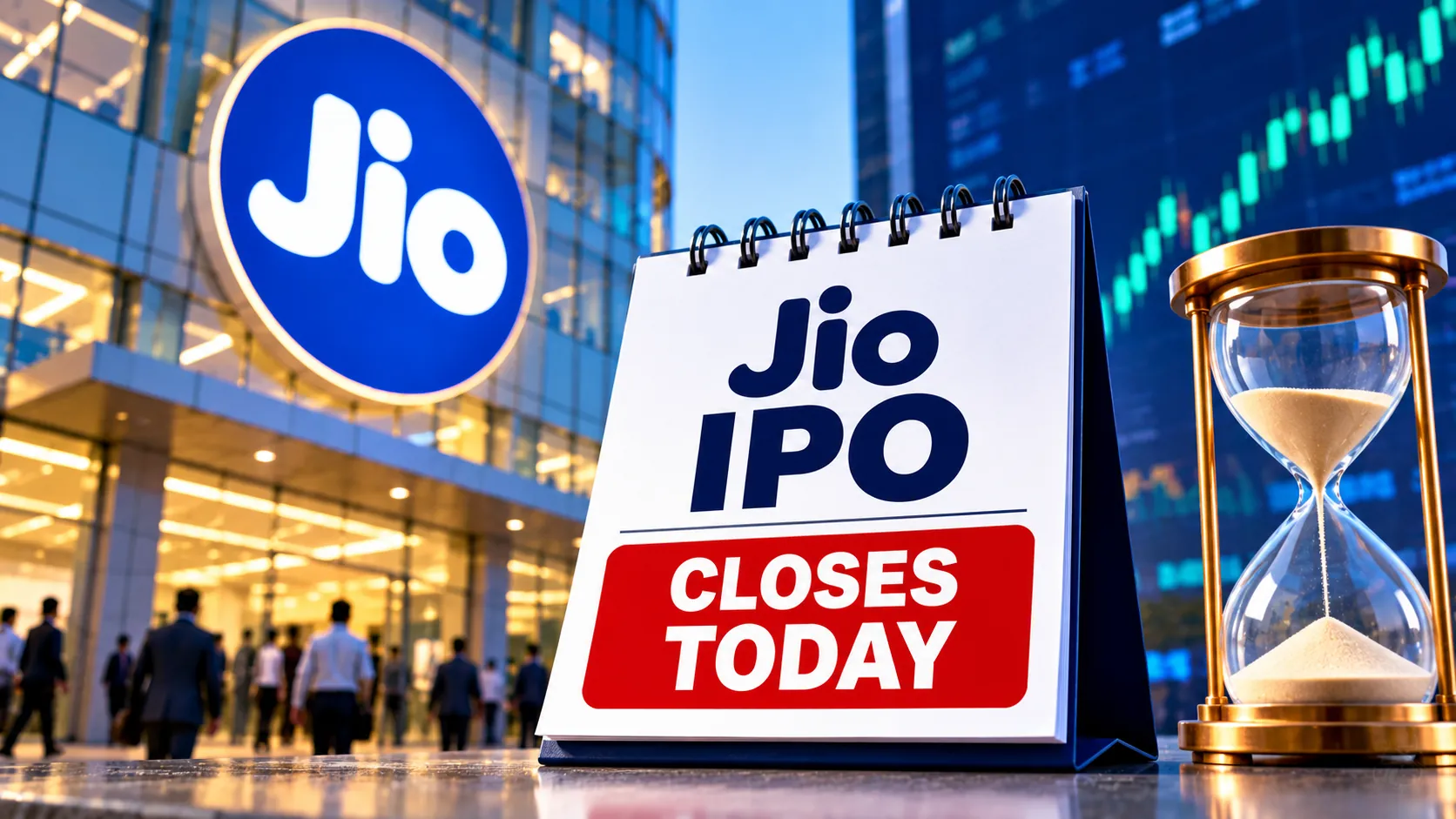

While many market participants are expecting gains when the stock lists next week, the early retail response and talk of an easing grey market premium have injected a note of caution into the day’s chatter. The price band and the pace of institutional bidding have kept the offer in focus, but the final tone could still depend on where the book settles by Friday.
Market moves on the day reflected the attention on the deal. The rupee strengthened 29 paise to 94.62 against the US dollar, with reports attributing the move to IPO-related inflows and intervention by the Reserve Bank of India.
Timeline and what happens next
The subscription window runs from 21 October to 23 October. Shares are expected to be allotted on 26 October, with listing scheduled for 28 October on the BSE and NSE.
Applicants now face two key dates: the bidding closes on Friday and the allotment process begins early next week soon. For the broader market, the listing will offer the first hard read on whether today’s fast subscription translates into sustained demand once trading begins.
Jio Platforms’ offer size, pricing and early institutional appetite have made it the centrepiece of this week’s primary-market calendar. Yet the first hours of bidding delivered a more complicated message: the book filled quickly. But retail investors did not rush in at the same pace.
R
3 min
What did you think?