/
Houthi drone strike near Saudi Shaybah oilfield kills two and lifts Brent above $110 as the US pulls staff out
A drone aimed at Saudi Aramco's Shaybah plant was intercepted on Wednesday, but falling debris killed two people. Hours later an attack at Dammam airport killed one and injured eight. Brent rose to about $110 and the US ordered non-emergency staff and their families to leave Saudi Arabia.
R
4 min
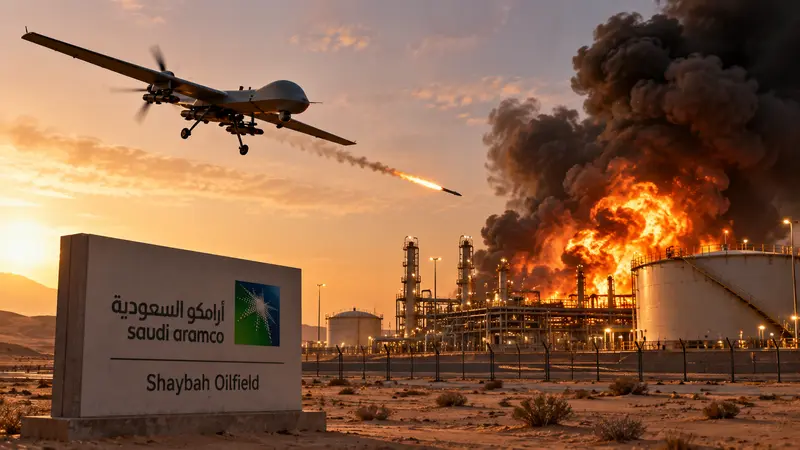
A Houthi drone aimed at the processing plant of Saudi Aramco's Shaybah oilfield was shot down on Wednesday, 21 October, but debris from it killed two people and injured two more. The strike sent Brent crude above $110 a barrel on Thursday and helped push shares in Asia and India lower.
Saudi Arabia's Energy Ministry said air defences intercepted the drone and that the falling debris hit a contractor's vehicle outside the plant, setting it on fire. It said operations were not affected. Shaybah sits deep in the Rub' al Khali, the Empty Quarter, near the border with the United Arab Emirates, and produces about a million barrels of crude a day, which makes it one of the kingdom's largest fields.
On Thursday an attack hit King Fahd International Airport in Dammam. One person was killed and eight were injured, according to Saudi Arabia's civil aviation authority. The Houthis, the Yemeni rebel group, have not commented on the airport attack, though they have claimed responsibility for a continuing series of strikes on Saudi facilities and airports.
The two incidents follow weeks of escalation. An attack on Riyadh's main international airport earlier this month was the deadliest on the kingdom in more than a decade. On 5 October a Houthi strike damaged a pumping station east of Riyadh, and crude flows on the East-West pipeline were reportedly halted. That pipeline, which can carry about seven million barrels a day from the eastern fields to Red Sea terminals, matters because it lets Saudi Arabia export without passing through the Strait of Hormuz.
What it did to prices
Brent rose 1.7 per cent, or $1.81, to $110.63 early on Thursday and was near $111.71 in the afternoon in India, while US crude gained about 1.4 per cent to $98.52 and later reached $99. International oil prices are up roughly 80 per cent this year, and Brent has held above $110 for the first time since May, after rising almost 5 per cent in the week. Analysts say actual Gulf crude exports are near their levels before the conflict, but the threat to infrastructure and shipping has put a heavy risk premium on forward contracts.
The wider picture is not calm. The Strait of Hormuz is closed, and Iran's foreign minister, Abbas Araghchi, has ruled out reopening it until Washington accepts Tehran's conditions. Iran has also rejected proposals to move about 400 kg of nuclear material into Russian custody, and reports of an imminent US-Iran agreement were dismissed as inaccurate. Secretary of State Marco Rubio said a peace deal with Iran will be extremely difficult and that the United States will keep up economic pressure until Tehran stops targeting commercial ships in the strait.
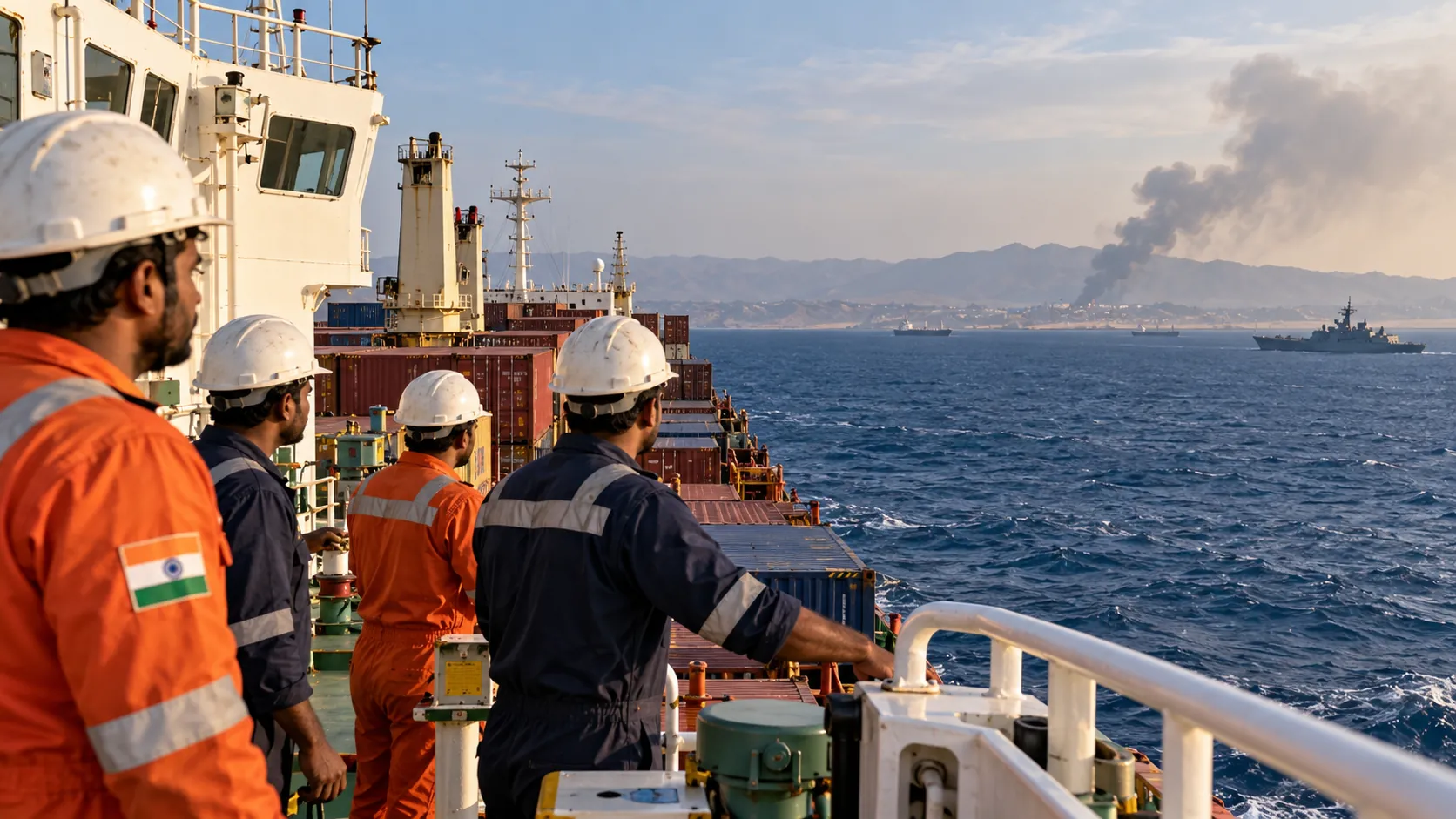
Washington ordered non-emergency government employees and their families to leave Saudi Arabia, citing Houthi attacks on civilian airports and critical infrastructure. A related report says the United States denied that it was making a wider withdrawal from the Gulf.
The markets and India
Equities fell across Asia on Thursday: Japan's Nikkei lost about 1.1 per cent and South Korea's Kospi 2.1 per cent, while Chinese stocks entered a bear market. US Treasury yields rose back towards 5 per cent, gold slipped to about $4,120 an ounce and the dollar strengthened. The Fed meets on 27 and 28 October, and 94 of 100 economists in one poll expect it to hold rates at 3.75 to 4 per cent.
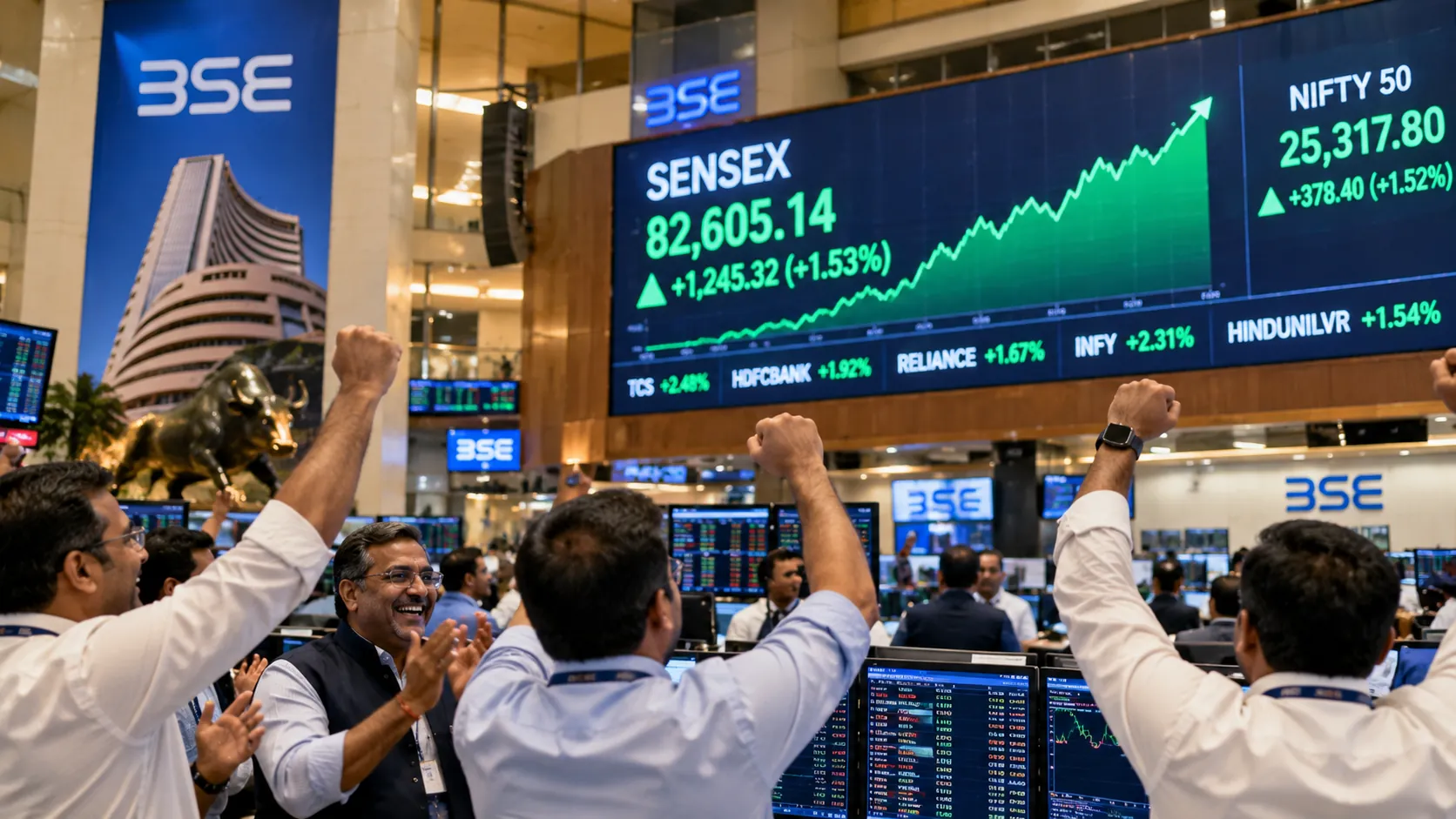
For India the cost is direct. The Sensex lost 460 points on Thursday. The government has also adjusted its fuel export levies, which it reviews every fortnight. From 16 October the duty on petrol exports rose to Rs 2.5 a litre from Rs 0.5, and the levy on diesel exports fell to Rs 8.5 a litre from Rs 16. India brought in such windfall taxes in July 2022, withdrew them about two years later and reinstated them in March this year as energy prices climbed on the Middle East conflict.
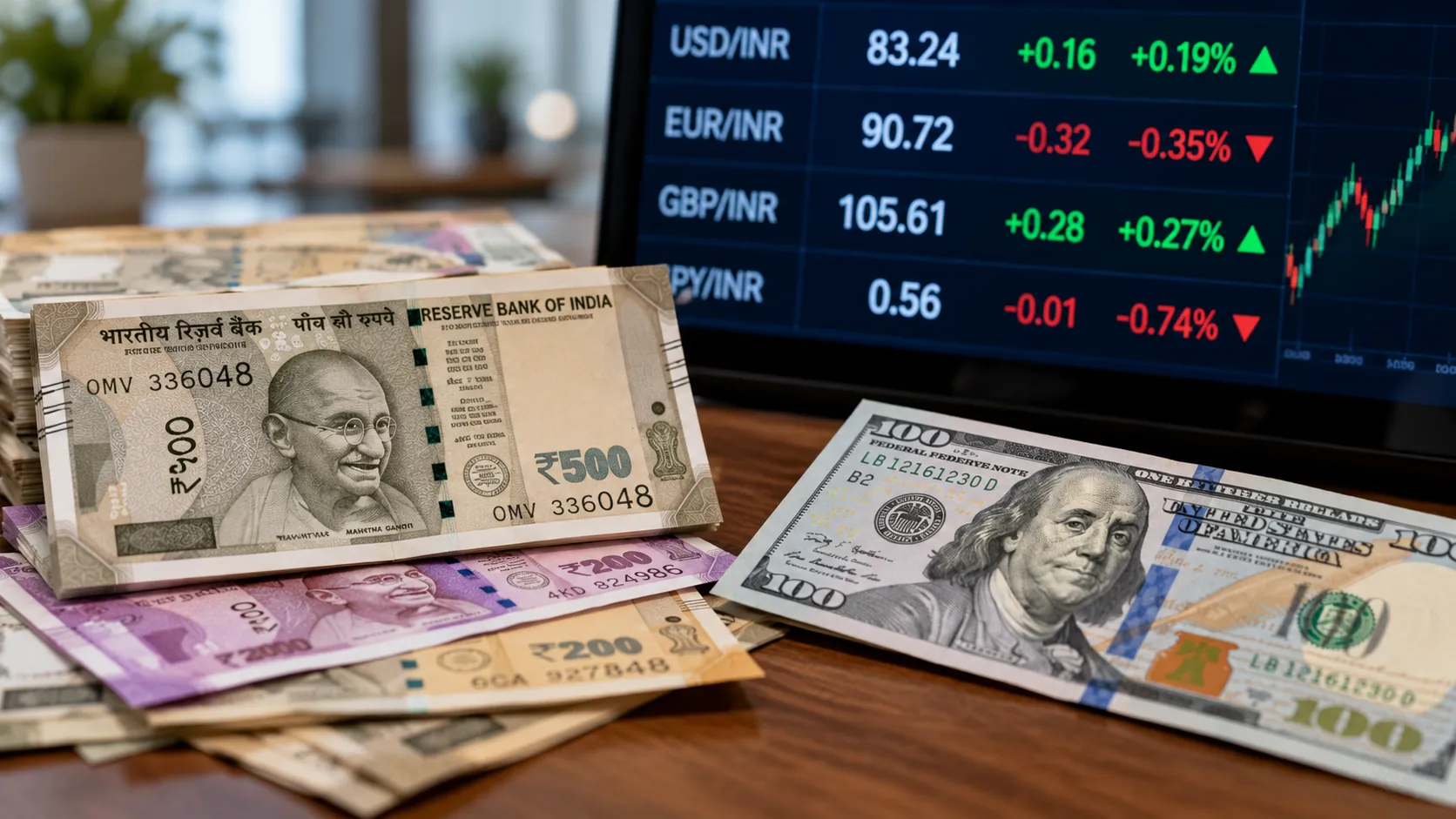
Strategists warn that crude at these levels threatens India's import bill and inflation outlook, and it keeps pressure on the rupee, which has held steady with help from central bank intervention. Disrupted physical energy markets have already pushed petrol and diesel prices higher, which adds to inflation worries. What happens at Shaybah and at the airports will decide how long the premium stays in the price.
R
4 min
What did you think?