/
Foreign investors pull Rs 48,056 crore out of Indian equities in October so far, as crude stays high
Foreign portfolio investors have withdrawn Rs 48,056 crore from Indian equities in October so far, after Rs 35,861 crore in September. Elevated crude oil prices, Middle East tensions, inflation worries and weak earnings are cited, along with the Jio IPO soaking up liquidity.
A
4 min

Foreign portfolio investors have taken Rs 48,056 crore out of Indian equities in October so far, according to depository data, adding to a long run of selling this year. The outflow follows Rs 35,861 crore in September, and it comes after two months of inflows, when foreign investors put in Rs 20,200 crore in July and Rs 29,631 crore in August. The October figure is a month-to-date number and will change before the month ends.
Why foreign investors are selling
The reasons cited are a mix of oil, geopolitics, prices and profits. Crude oil prices remain elevated, and one report puts them at about $114 a barrel. Tensions in the Middle East have added to the uncertainty. For an importer such as India, which buys about 90 per cent of the oil it uses, high crude weighs on the rupee, on inflation and on the profits of companies that use fuel. Inflation worries and weak corporate earnings in the July-to-September results season are also being mentioned.
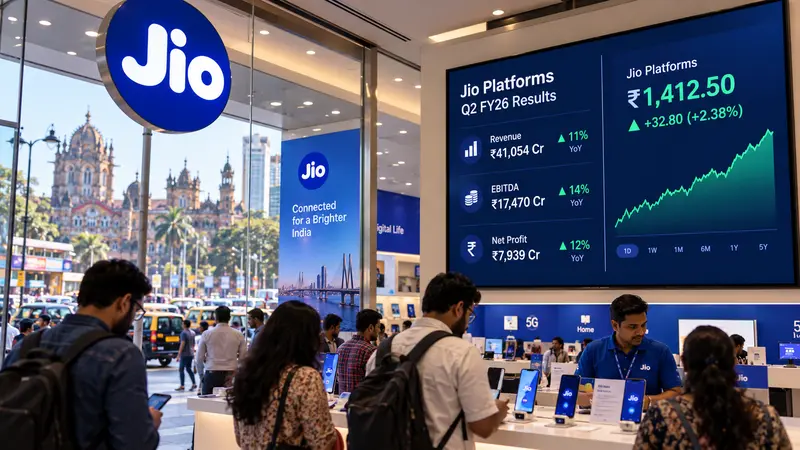
A local factor has played a part as well. The Rs 30,213 crore Jio Platforms IPO took a large amount of money out of the market for a few days, as investors sold other shares to apply or kept cash aside for the issue, and the issue has been reported as one of the reasons for the temporary pressure on liquidity. Global portfolio reallocations, in which funds shift money among countries, added to the selling.
The October number sits within a heavy year. One report puts the total foreign withdrawals from Indian equities in 2026 at Rs 3.08 lakh crore, which is much higher than the Rs 1.66 lakh crore taken out in the whole of 2025. By comparison, foreign investors pulled out a then-record Rs 94,000 crore in October 2024, so this month's selling is smaller than that peak, though the pattern over the year is more persistent.
There have been small offsets. Foreign investors were net buyers on two trading days in the week that ended on 23 October. Information technology stocks were an exception to the selling, with inflows of Rs 2,599 crore in the first half of October, as investors looked for companies that earn in dollars and benefit when the rupee weakens.

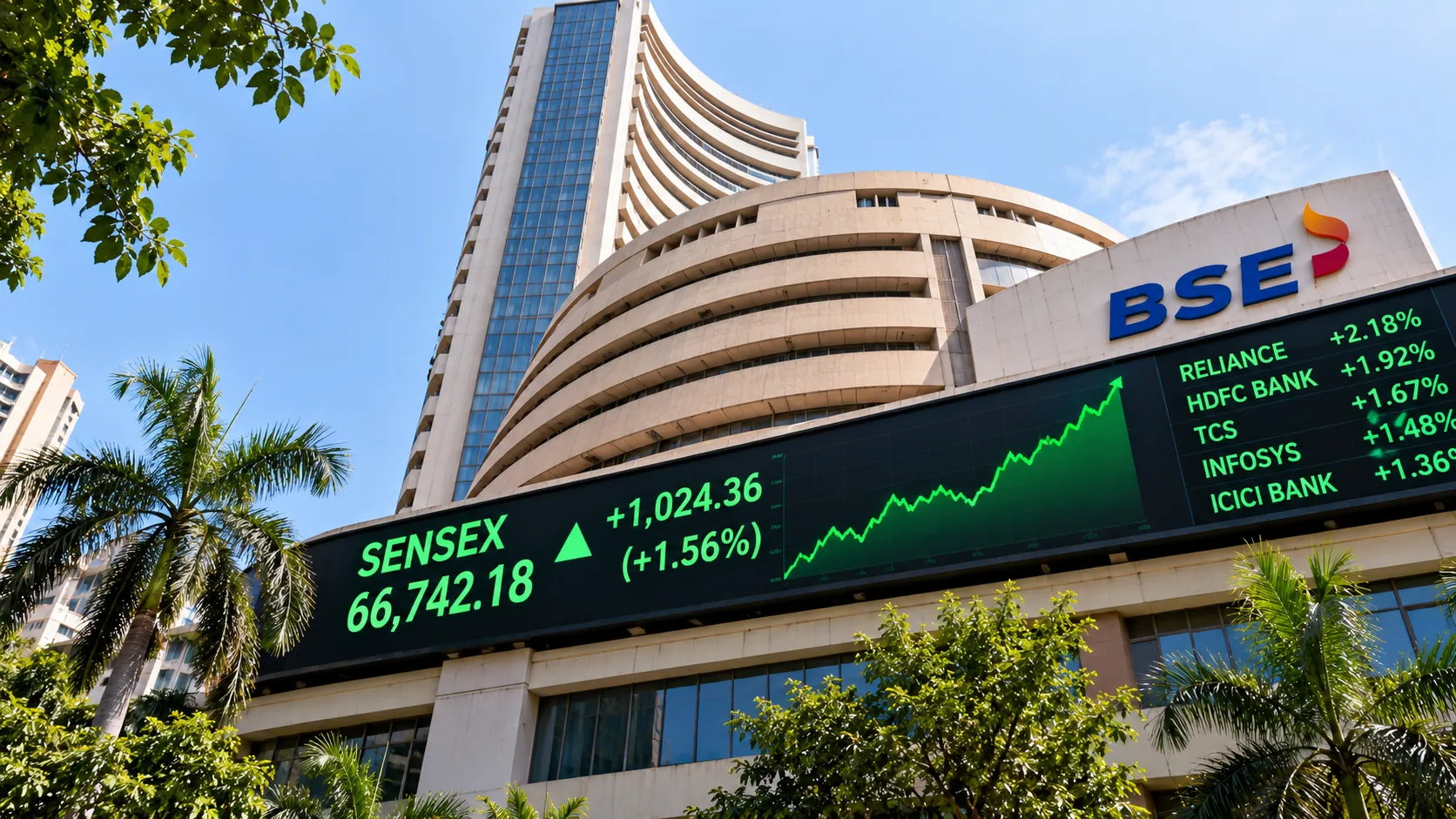

Who is buying
The October selling is already larger than the whole of September's Rs 35,861 crore, and the month has not ended. Selling by foreign investors matters beyond share prices because the money has to be converted into dollars when it leaves, which puts pressure on the rupee. A weaker rupee raises the cost of imported oil and makes the inflation problem worse, which is the loop that analysts worry about when oil is high.
Domestic institutional investors and the monthly flows from systematic investment plans have absorbed much of the foreign selling. This has kept the market from a steeper fall. Domestic buying has changed the way the market reacts to foreign selling in the past few years. A month in which foreign investors sell Rs 48,000 crore would once have been a clear signal of a falling market, and now it can pass with a decline of a few per cent because local money fills the gap.
That support has limits. SIP flows are steady but not unlimited, and they come from household savings that can shrink if prices rise or if incomes are squeezed by inflation. If the foreign selling continues for several more months at this pace, the cushion would be tested.
Practical points for travellers
- Check the airport named on the ticket and in the airline's messages before leaving for the airport.
- Plan the journey to the new airport in advance, including the time it takes in peak traffic, since the road and rail links are still being built up.
- Allow extra time if a trip involves a connecting flight that leaves from the other airport.
- Watch for the airline's date announcement, because the 12 flights will not all move on the same day.
The first thing to watch is crude oil, since a fall in prices would ease pressure on the rupee and on inflation and would be the quickest way to bring foreign investors back. The second is the outcome of the earnings season, which will show whether profit growth is strong enough to justify current valuations. The third is the listing of Jio Platforms on 28 October, which may bring a fresh flow of foreign money into the market through the shares of a large company. Retail investors who use SIPs do not need to react to monthly foreign flows, which swing from month to month, but a long run of withdrawals is a reason to look at how much risk a portfolio carries.
A
4 min
What did you think?