/
Rachel Reeves says Britain's future is in the EU and that Brexit left it 'poorer, weaker and less secure'
Rachel Reeves, sacked as Chancellor in July, wrote that Brexit left Britain poorer, weaker and less secure and that its future lies in the EU, backing PM Andy Burnham's push to rethink the relationship. Burnham told ministers not to advocate options; any fundamental change is for the public.
P
3 min
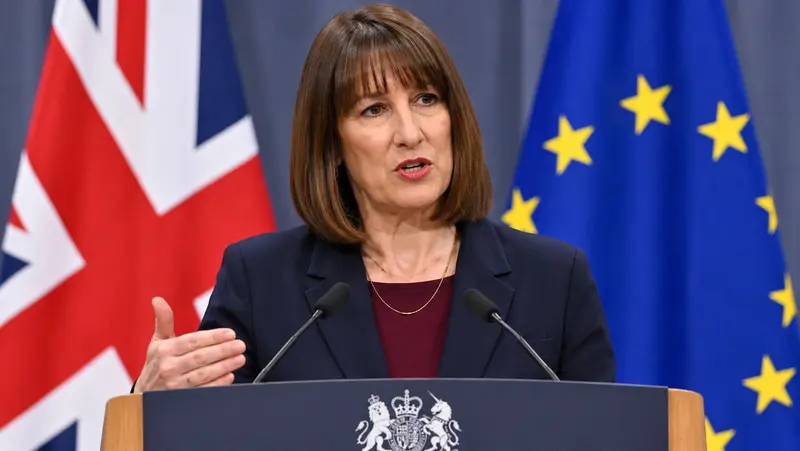
Rachel Reeves, who was sacked as Chancellor of the Exchequer in July, has said that Britain's future lies in the European Union and that Brexit has made the country poorer, weaker and less secure. She made the case in a newspaper article published on Sunday, 1 November, her first major intervention since her dismissal. She backed Prime Minister Andy Burnham's push to rethink the UK's relationship with the EU, while he has kept to the Labour manifesto's red lines and says that any fundamental change is for the public to decide.
What Reeves said
Reeves wrote that Brexit has made us poorer, weaker and less secure, and that she believes Britain's future lies in the European Union. She said that there is a debate to be had about the future relationship with Europe and that she welcomes Burnham's leadership in facing up to it. She said that supporters of re-entry must make the case and show concrete benefits. She urged that the upcoming UK–EU summit should secure a youth mobility scheme and move the UK closer to joining the SAFE defence partnership.
Her position is awkward for the party, because Reeves helped to craft Labour's 2024 election manifesto, which explicitly ruled out a return to EU membership.
Burnham's position
Burnham wants an open conversation on the EU and has left open fighting the next election on a promise to rejoin the bloc, according to the reports. He wants to lock in deals on food and drink, emissions trading and youth mobility at a UK–EU summit in Brussels this month, and he will explore options for the long-term relationship afterwards.
He is committed to the manifesto's red lines, which rule out a return to freedom of movement, the customs union or the single market. Last weekend he fuelled speculation that he backed freedom of movement, and Downing Street then said that he was not proposing any particular option. In a letter to his Cabinet he warned ministers not to advocate specific options or to predict the outcome. He said that any fundamental change to the post-Brexit arrangements is for the public to decide and that this would fall to the next Parliament.
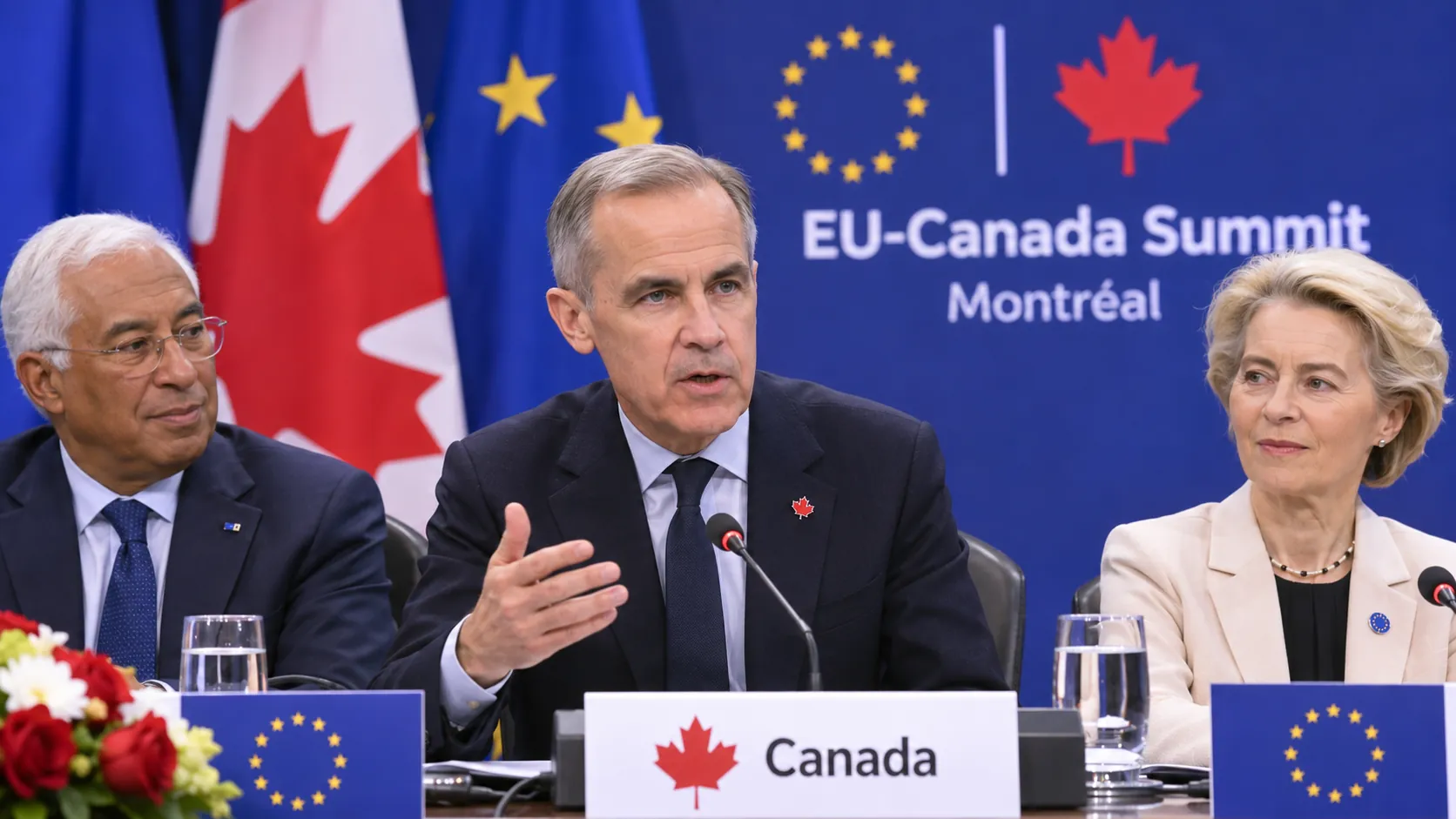
Keir Starmer, the former prime minister, said in Ireland that the UK and Europe must work more closely as the United States becomes less reliable, and that things will not go back to the way they were. He argued that Europe needs a common security framework as much as a common market, with the UK at its centre.
Burnham's remarks on the relationship drew fervent opposition from Conservative leader Kemi Badenoch and Reform UK's Nigel Farage, and from some Labour allies, according to a second report. Links in one article mention a Gibraltar chief saying that Burnham has the courage to tell the truth and former Labour leader Neil Kinnock praising his debate on Brexit, but only the headlines are given.
The reports found do not carry an EU response to Reeves's article, and they contain no polling on how voters view rejoining. They do not say what the UK–EU summit in Brussels will agree, or when it will take place beyond this month. They do not say whether Burnham has endorsed Reeves's article.
P
3 min
What did you think?