/
UK Budget: Healey's first Budget under PM Burnham brings energy bill help and a bank levy; PM says 'not ideal'
Chancellor John Healey's first Budget on 28 October offered £100 energy payments, a three-month extension of the VAT cut on electricity and a bank levy, while departments face £3bn of further cuts. Prime Minister Andy Burnham told ITV it was not what he wanted; experts called it underwhelming.
A
4 min
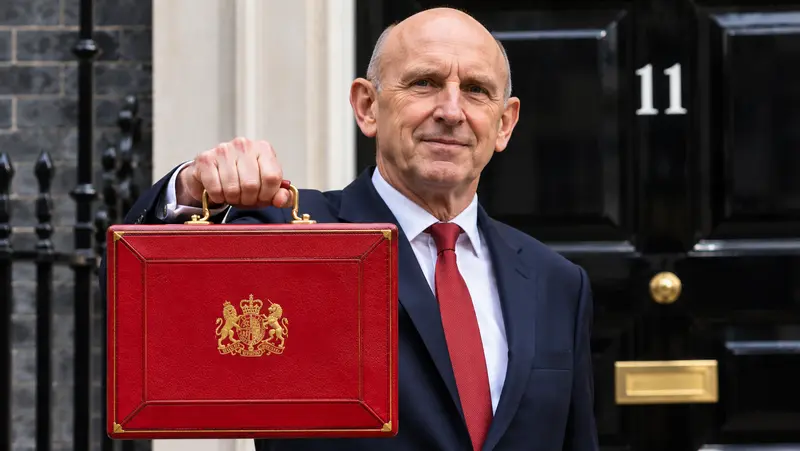
Chancellor John Healey delivered his first Budget on 28 October 2026, under Prime Minister Andy Burnham, and the verdict has been cool. Burnham told ITV that the Budget was not what he wanted, citing less room for manoeuvre than he had hoped for, and experts writing for openDemocracy called it underwhelming. The Budget offered help with energy bills, a levy on banks and a freeze on income tax thresholds, while departments face a further £3bn of cuts to help fund defence.
Energy bills
Households in council tax bands A to D in England get a one-off £100 payment, a council tax rebate costing £2.6bn, according to one report, with an extra £100m for local authorities for targeted support. The gas standing charge, about £108 a year for a typical household, will be removed for around 23 million homes, and Ofgem will be asked to move the cost into unit rates in 2027 or sooner. The government says that 60% of households would save an average of about £45 a year.
The temporary removal of VAT on household electricity is extended by three months to July 2027, worth about £45 a year, and fuel duty is frozen for a 16th consecutive year, with the 5p a litre cut introduced in 2022 extended. A new energy debt circuit breaker from next year is meant to save bill payers £30 by 2030. Forecasts suggest that the price cap could rise by about £470 to around £2,200 a year from January 2027. Electricity at public and workplace electric vehicle chargers becomes subject to 20% VAT from 1 November.
Taxes
The bank tax surcharge rises, with a levy of 3% for 15 months yielding £1.5bn according to one expert, though another describes it as 6% on bank profits above £100m for 15 months. Slot machine tax rises from 20% to 25%. Income tax thresholds stay frozen, and one expert estimates that someone on £17,000 will pay nearly £1,000 more in income tax and National Insurance this year. The planned cut in the cash ISA limit from £20,000 to £12,000 was dropped, according to one report, while another says that it applies to under-65s from April 2027, so the reports differ. There is no windfall tax on energy companies.
The Budget reaffirmed defence spending of 3% of GDP by 2030. Departments face £3bn in further cuts, on top of £6.8bn announced earlier this year, to help fund a £15bn Defence Investment Plan. One think tank estimates that the cuts could cost about 15,000 net jobs. Healey resigned as defence secretary in June after failing to secure an extra £28bn. Meeting a target of 3.5% of GDP by 2035 is estimated to need £280bn in extra spending.
The Budget cuts £1bn from the Warm Homes Plan to help fund defence. The boiler upgrade scheme gets £400m in 2027-28, which is a cut of about £800m in heat-pump funding over three years, and analysts say that could mean around 100,000 fewer heat pumps. It also cuts £200m from carbon capture grants and £500m from low-carbon hydrogen projects. A new warm homes loan offers £7,500 to £35,000 at no or low interest. There is an extra £1.5bn for social housing for about 10,000 homes in England.
Experts say that the pensions triple lock is to be abandoned, which is projected to save £15bn a year. The earnings cliff edge in Carer's Allowance is removed, and statutory paternity pay is extended to self-employed fathers. The Local Housing Allowance is not unfrozen, according to the Women's Budget Group.
Burnham told ITV that the Budget was not what he wanted, and he said there was less room for manoeuvre than he had hoped for. He became prime minister on 20 July, after Keir Starmer resigned. An ITV programme on his first 100 days is due on 3 November.
The reports found do not give the Office for Budget Responsibility's forecasts for growth, or the total tax rise. One report says that borrowing is to fall to 2.1% of GDP by 2029-30, which was not confirmed elsewhere. They also do not say which measures need legislation.
A
4 min
What did you think?