/
Erin Patterson loses appeal against mushroom murder convictions; sentence raised to life without parole
Victoria's Court of Appeal on 30 October dismissed Erin Patterson's appeal against three murder convictions and one attempted murder, and raised her sentence from a 33-year non-parole period to life without parole. Her only option left is a High Court application, due by 27 November.
S
3 min

Victoria's Court of Appeal on 30 October dismissed Erin Patterson's appeal against her convictions for three murders and one attempted murder. It also allowed the prosecution's appeal against her sentence and replaced the 33-year non-parole period with life imprisonment without parole. Justices Stephen McLeish, Lesley Taylor and Peter Kidd heard the case, and Justice McLeish delivered the decision. Patterson's only remaining avenue is an application to the High Court of Australia, which the court anticipates would be filed by 27 November.
The conviction appeal
Her lawyers raised seven grounds of appeal, arguing a miscarriage of justice. Leave to appeal was granted on only the first two grounds, and the other five were rejected outright.
The first ground concerned the jury staying in the same hotel as members of the prosecution team and a police witness for part of the trial. Her barrister conceded that there was no evidence of police or prosecutor contact with jurors, and the court found no real possibility that the arrangement affected the verdicts. It found that the jury would still have reached the correct verdict. The second ground concerned the use of her mobile phone tower data, which was used to suggest she had travelled to areas where death cap mushrooms had been sighted. The court held that the evidence was admissible. Both grounds were dismissed.
The grounds on which leave was refused included the exclusion of photographs from an SD card, which her lawyers linked to her right to silence, evidence about Facebook friends, five days of cross-examination of Nanette Rogers, and a closing address that introduced a motive.
The sentence
In September 2025, Justice Christopher Beale imposed three life sentences for the murders of Don Patterson, Gail Patterson and Heather Wilkinson, and 25 years for the attempted murder of Ian Wilkinson, with a non-parole period of 33 years. Under that sentence she could have been released in 2056, at the age of about 82.
The Director of Public Prosecutions, Brendan Kissane, appealed on the ground that the sentence was manifestly inadequate. He argued that the earlier judge erred in allowing a parole option. The Court of Appeal allowed the appeal, set aside the non-parole period and resentenced her to life imprisonment without parole, finding that the nature of her offences made a non-parole period inappropriate.
Justice McLeish described her conduct as an elaborate series of deceptions. He cited a false cancer claim, the destruction of evidence, planning and a cruel breach of trust towards relatives, and he said that the conduct should be denounced in the strongest terms.
Don Patterson, Gail Patterson and Heather Wilkinson died. Ian Wilkinson survived and was in hospital for weeks.
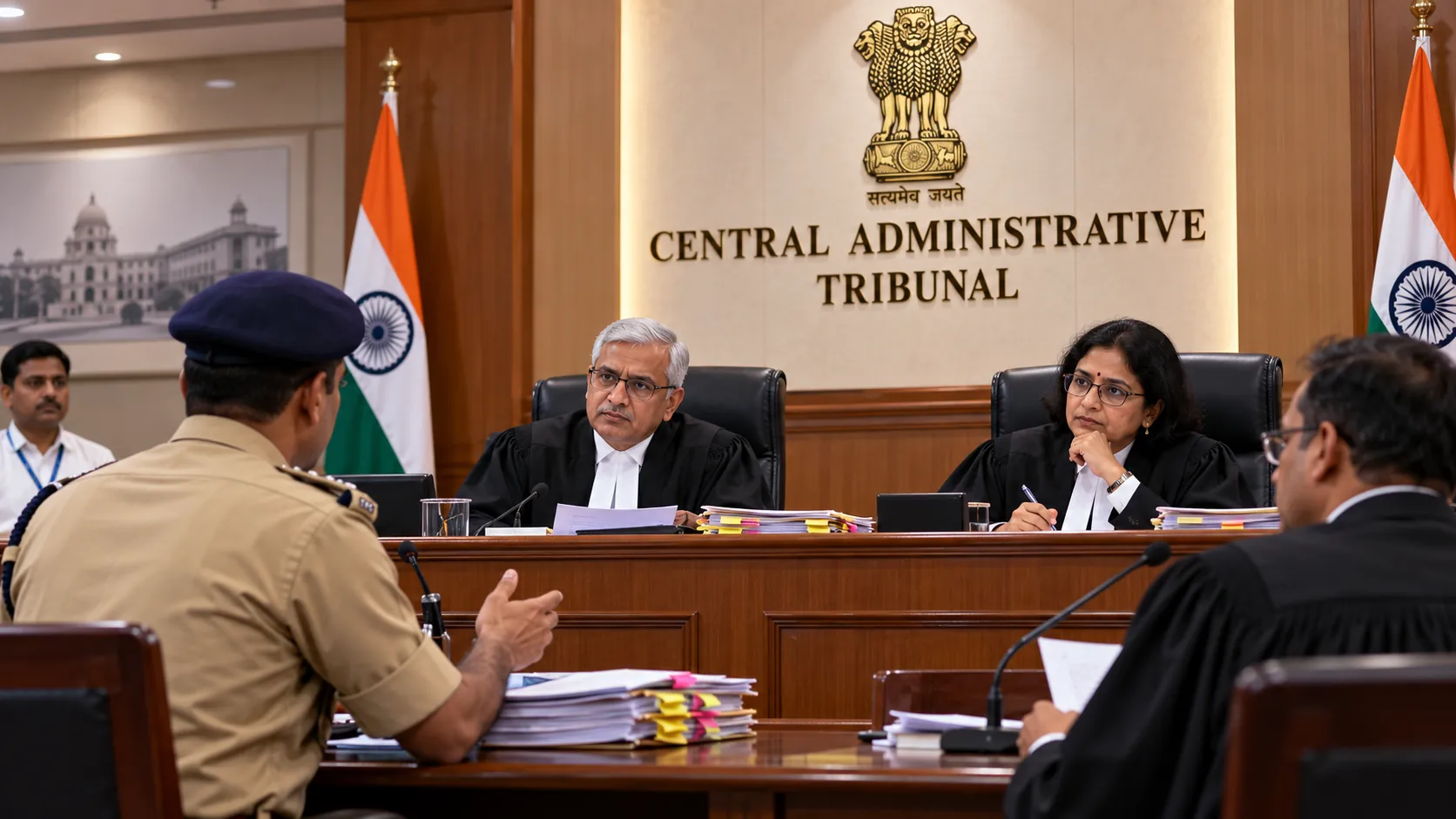
Patterson did not attend court and watched by video from the Dame Phyllis Frost Centre, showing no visible emotion. Prosecutors, police investigators and supporters of Simon Patterson were visibly pleased outside court.
A second appeal is possible only if fresh and compelling evidence emerges that exonerates her. Reforms introduced in 2019 allow this, but it is described as very rare. She can apply to the High Court for special leave to appeal, but this requires clearing a very high legal bar, and special leave is granted in only a small proportion of cases, usually where a significant legal principle is involved. The Court of Appeal's orders anticipate any application by 27 November. If it is refused or never filed, the decision is final.
The reports found do not say whether Patterson has decided to apply to the High Court, and they do not carry a statement from her lawyers. They differ on her age, which is given as 51 or 52.
S
3 min
What did you think?