/
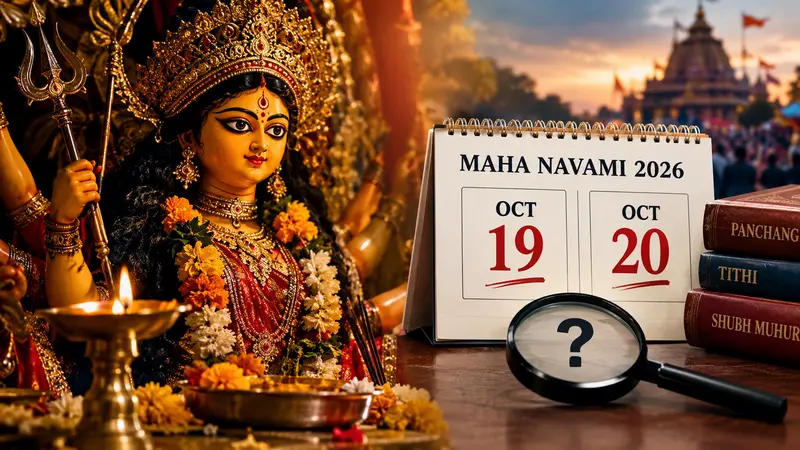
Navratri 2026 begins today; Ghatasthapana window, colours and key muhurats through Oct 20
Shardiya Navratri began on Oct 11, 2026, with Ghatasthapana in the morning and worship of Maa Shailputri. The nine-night festival runs to Oct 19, ending with Vijayadashami on Oct 20, with key muhurats set for Sandhi Puja and Dussehra.
P
4 min
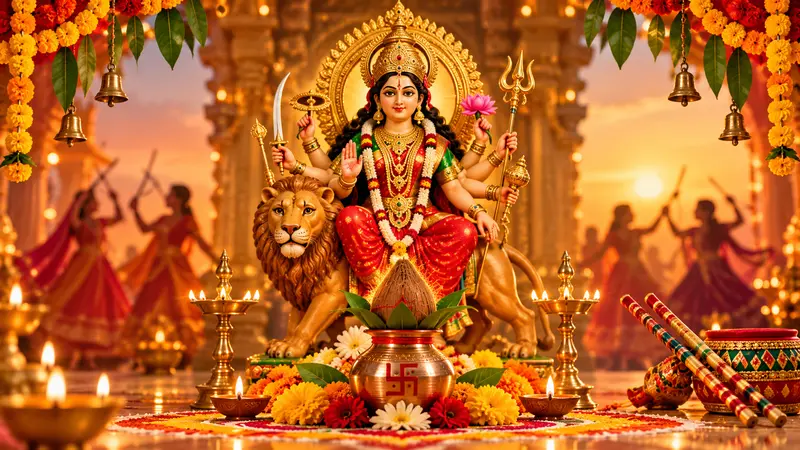
Shardiya Navratri began on Sunday, October 11, 2026, marking the start of nine nights of worship of Goddess Durga’s nine forms and ten days of observances that conclude with Vijayadashami (Dussehra) on October 20.
The festival opened with Ghatasthapana, the ritual installation of the kalash, performed in the morning hours. Reports placed the main Ghatasthapana window between 6:19 AM and 10:12 AM, with an Abhijit Muhurat later in the day from 11:44 AM to 12:31 PM.
For many households, the first day set the rhythm for the week ahead: early puja, fasting preparations, and the first evening gatherings where devotional songs share space with garba and dandiya playlists.
Day 1 rituals and colour
Navratri’s first day is dedicated to Maa Shailputri, regarded as the first of the Navadurga forms worshipped across the nine nights. Devotees commonly begin the festival with prayers focused on strength, resolve and new beginnings, themes widely associated with Shailputri.
Orange is the traditional colour linked to Day 1 this year. The shade is popularly connected with energy, warmth and optimism, and many celebrants choose orange attire for puja, community events and greetings shared through messages and social media.
The colour practice, followed widely in many cities, is treated as a cultural convention rather than a fixed rule of worship. In some regions and families, the emphasis stays on the deity of the day and the puja sequence, with clothing choices left to personal preference.
Music, too, has taken its place as a visible part of the first day’s celebrations. Alongside bhajans and aartis, Bollywood tracks and Gujarati folk fusion numbers are being used to set the tone for garba circles that begin from the first night.
What the next nine nights look like
Shardiya Navratri runs through October 19, with each day associated with a form of Durga and a designated colour that many people follow. The sequence for 2026 is:
| Day & date (2026) | Goddess | Colour |
|---|---|---|
| Day 1: Oct 11 | Shailputri | Orange |
| Day 2: Oct 12 | Brahmacharini | White |
| Day 3: Oct 13 | Chandraghanta | Red |
| Day 4: Oct 14 | Kushmanda | Royal Blue |
| Day 5: Oct 15 | Skandamata | Yellow |
| Day 6: Oct 16 | Katyayani | Green |
| Day 7: Oct 17 | Kalaratri | Grey |
| Day 8: Oct 18 | Mahagauri | Purple |
| Day 9: Oct 19 | Siddhidatri | Peacock Green |
In this cycle, the first three days are often observed with a focus on Shailputri, Brahmacharini and Chandraghanta. The middle stretch turns to Kushmanda, Skandamata and Katyayani. The final nights honour Kalaratri, Mahagauri and Siddhidatri, building towards the concluding rites.
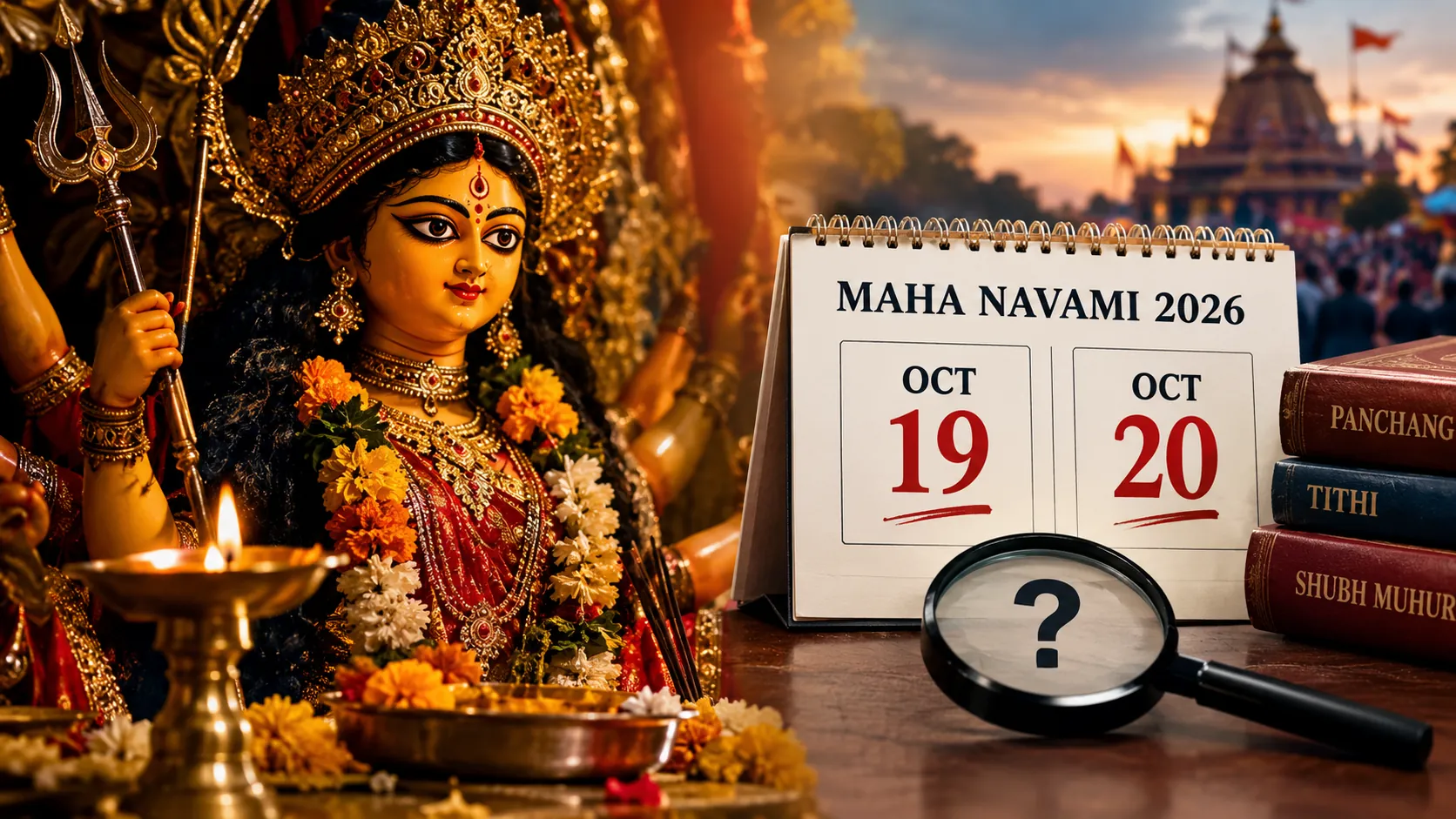
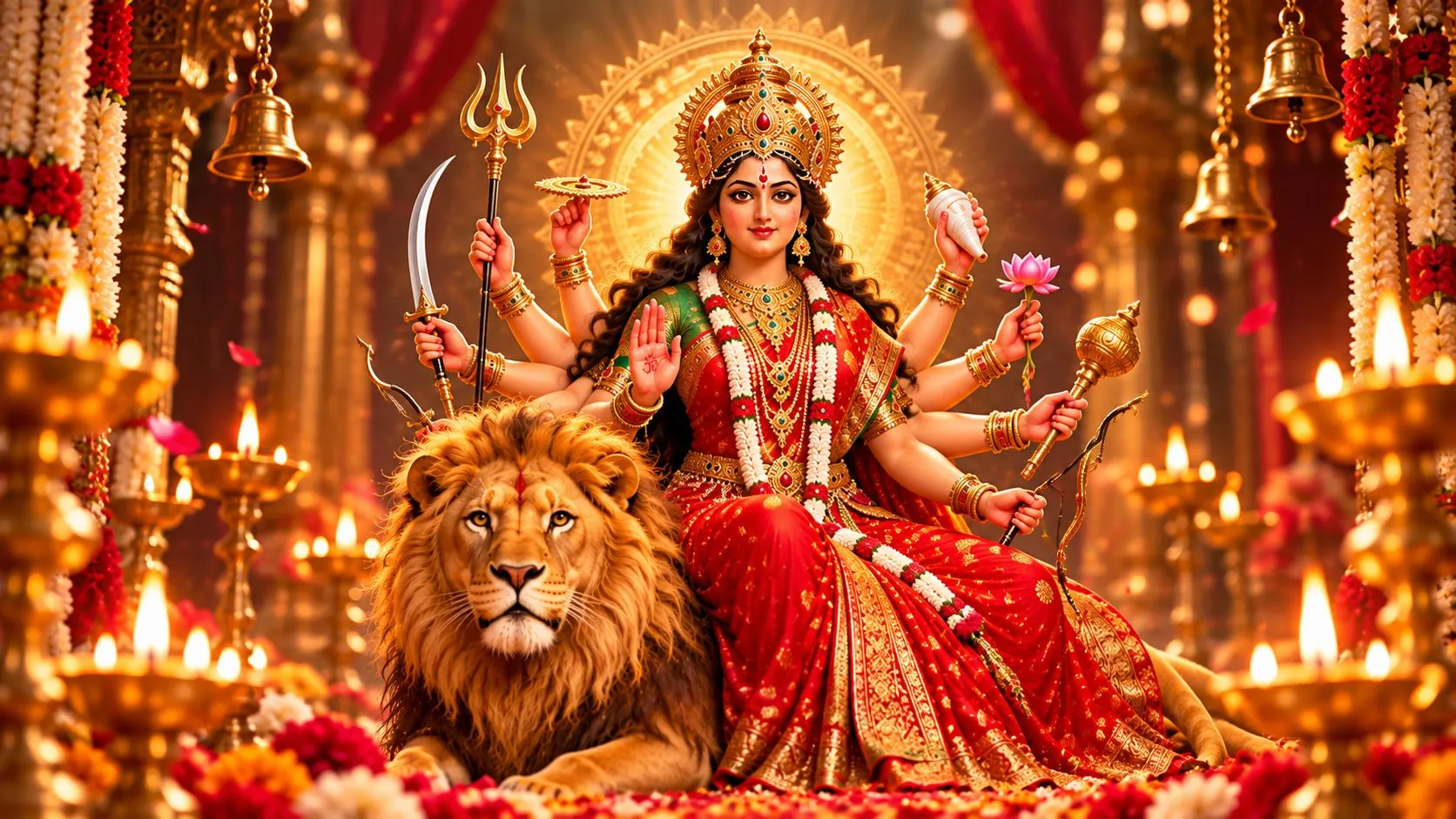
One of the most time-bound rituals comes near the end. Sandhi Puja, performed at the junction of Ashtami and Navami in many traditions, is scheduled on October 19 from 10:27 AM to 11:15 AM.
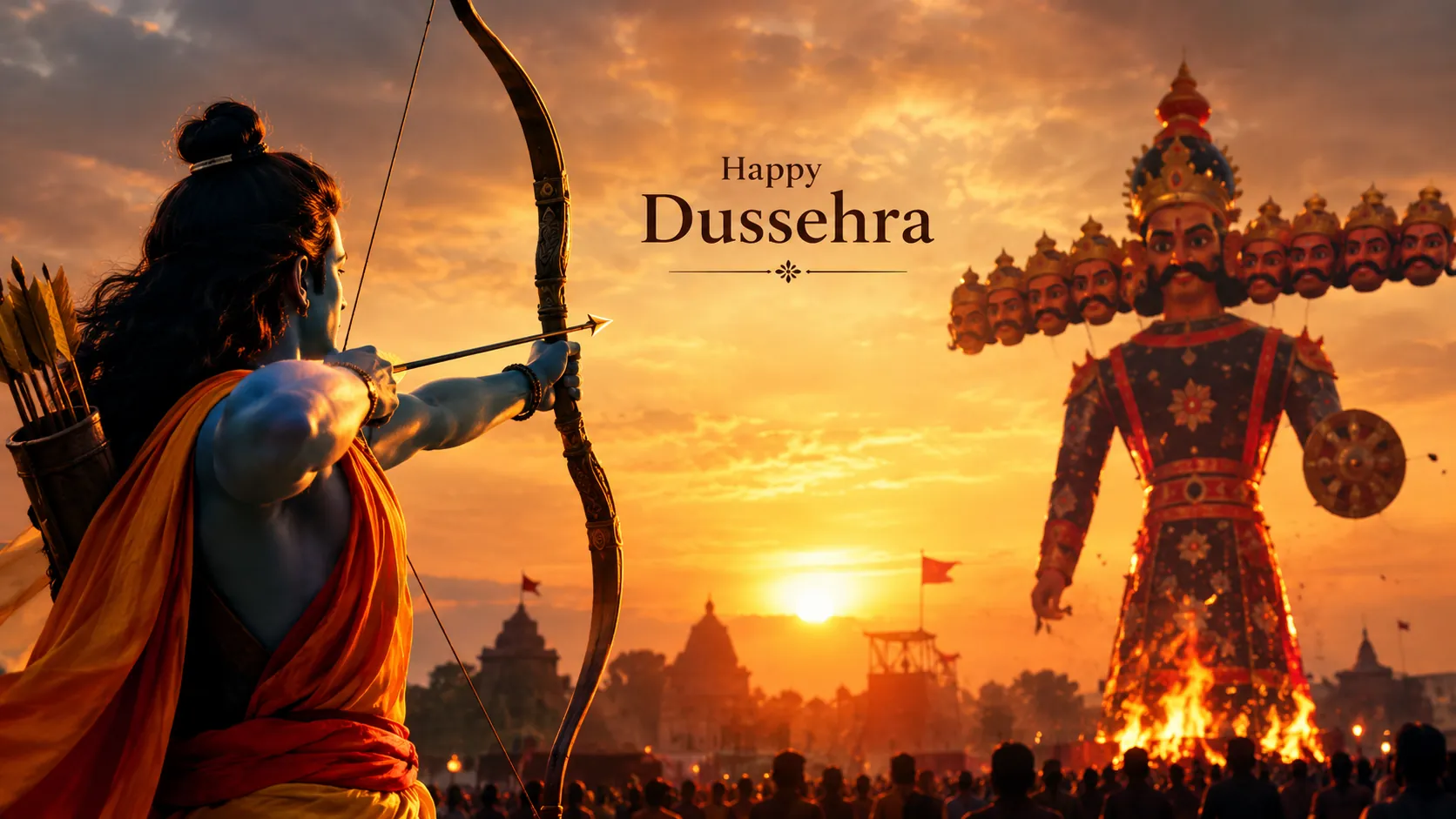
Vijayadashami follows on October 20, with the Dussehra muhurat reported from 1:59 PM to 2:45 PM. The day is widely observed as the finale of Durga Puja and Navratri, tied to the theme of victory of good over evil and, in many retellings, linked both to Durga’s triumph over Mahishasura and Rama’s victory over Ravana.
Fasting, food rules and community plans
Fasting remains a central practice for many devotees during Navratri, observed for all nine days or on select days depending on family custom. The most common vrat approach uses a restricted diet based on fruits and specific staples, while avoiding regular grains and certain ingredients.
Commonly allowed foods during Navratri fasting include fruits and dairy products such as milk and curd, along with samak rice, sabudana, kuttu flour, singhara flour, and rock salt (sendha namak). Foods typically avoided include regular grains, pulses, eggs, meat, processed items, onion, garlic and standard table salt.
Across cities, the festival also carries a strong community calendar. Housing societies and local groups often organise evening garba and dandiya gatherings, while families hosting puja at home plan daily offerings and aarti timings around work and school schedules.
The first day’s messages and greetings, circulated widely each year, have already begun to appear in the form of wishes dedicated to Maa Shailputri. For many celebrants, those notes are less about formality and more about marking the start of a busy stretch: early mornings, temple visits, colour-themed outfits, and late-night circles that can run well past dinner.
What happens next is largely set by the calendar. The colour for October 12 shifts to white for Maa Brahmacharini, followed by red on October 13 for Maa Chandraghanta, as households continue the daily puja cycle leading up to Sandhi Puja on October 19 and the Vijayadashami observances on October 20.
P
4 min
What did you think?