/
EC refuses RTI plea on ECINET software citing 'commercial confidence'; Telangana may lose six lakh more voters
The Election Commission has declined an RTI request for the name and version of its ECINET software, citing commercial confidence, and says no new software was bought for the SIR. Separately, officials expect five to six lakh more deletions in Telangana after a duplicate-flagging tool runs.
P
4 min
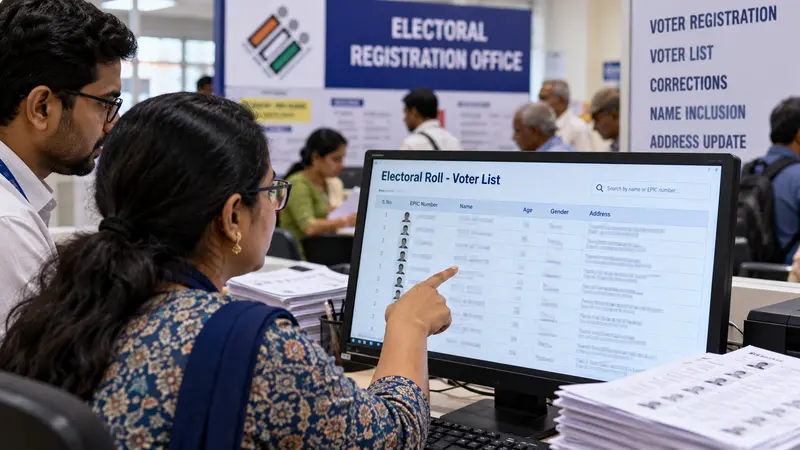
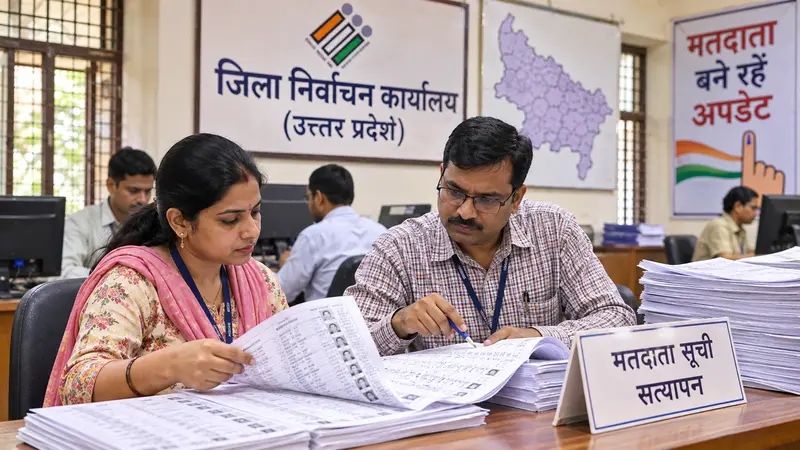
The Election Commission of India has refused to disclose the name and version of the software it uses, known as ECINET, in reply to an application under the Right to Information Act, saying that the information is a matter of commercial confidence. Separately, officials in Telangana expect five to six lakh more voters to be removed from the rolls after the Commission runs the list through a tool that looks for duplicate entries. The two reports have come together in a row over how much the public may know about the machinery behind the revision of electoral rolls.
The RTI reply
The application was filed by M.A. Mujeeb Ayyub, a voter and activist from Karimnagar in Telangana who has been following the Special Intensive Revision. He asked for the name and version of the software, for details of any software, algorithm or platform used to find errors in voter records, and for whether records were flagged for verification, correction or deletion and what followed. He also asked whether artificial intelligence, machine learning, predictive analytics or automated decision support was being used, which authority reviews flagged anomalies before action is taken, and what safeguards exist against wrongly flagging genuine voters.
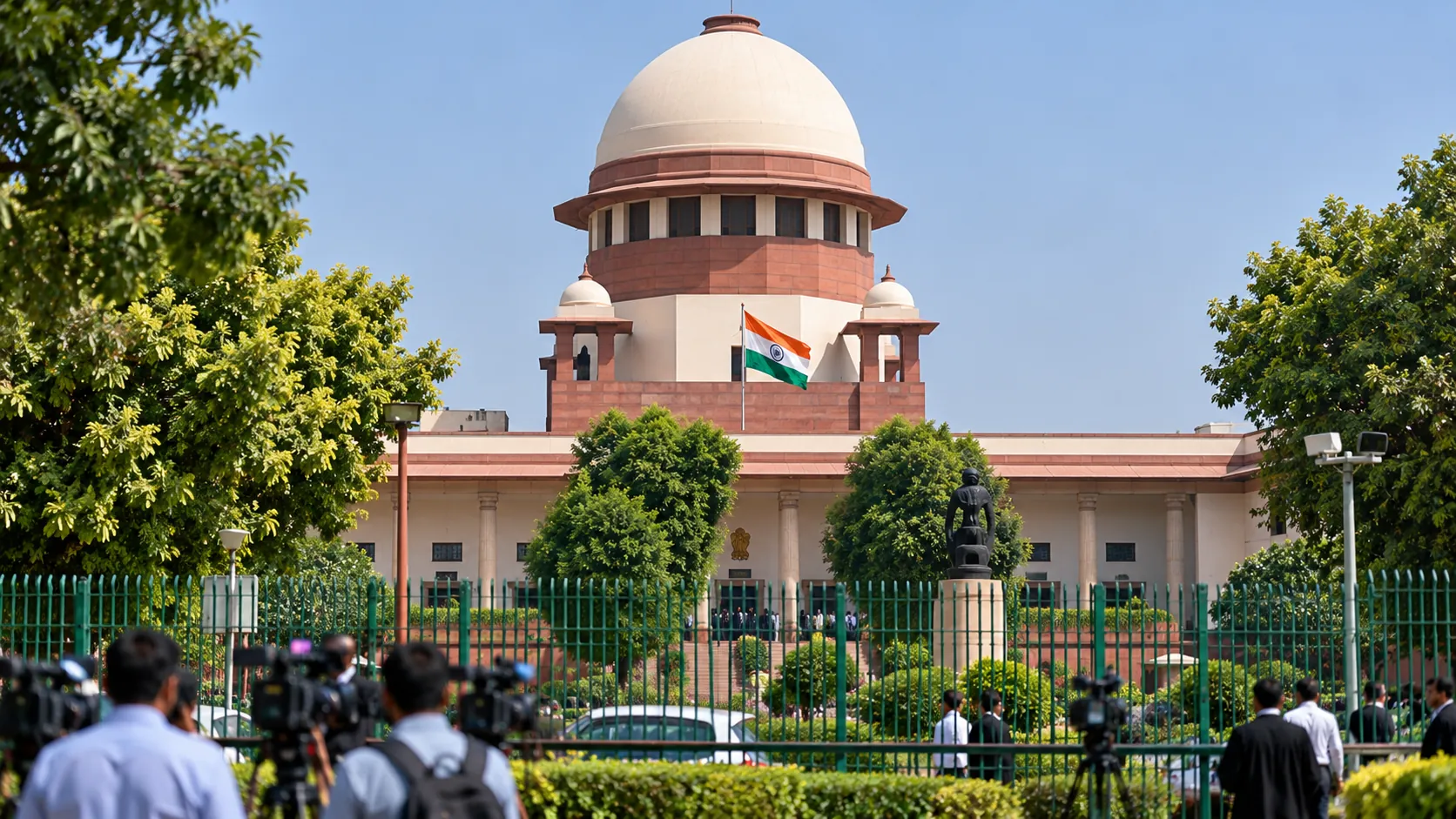
The reply came from the Commission's principal secretary, A.K. Pathak, and is dated 16 October. It declined to give the name and version of the software, citing commercial confidence, trade secrets and intellectual property under Section 8(1)(d) of the RTI Act. It said that no new software was developed or procured for the revision, and that electoral registration officers decide on including or excluding voters on the basis of facts and records. The request about safeguards was treated as a clarification and not as information under the Act. The reports do not carry a direct answer on whether artificial intelligence or machine learning is used.
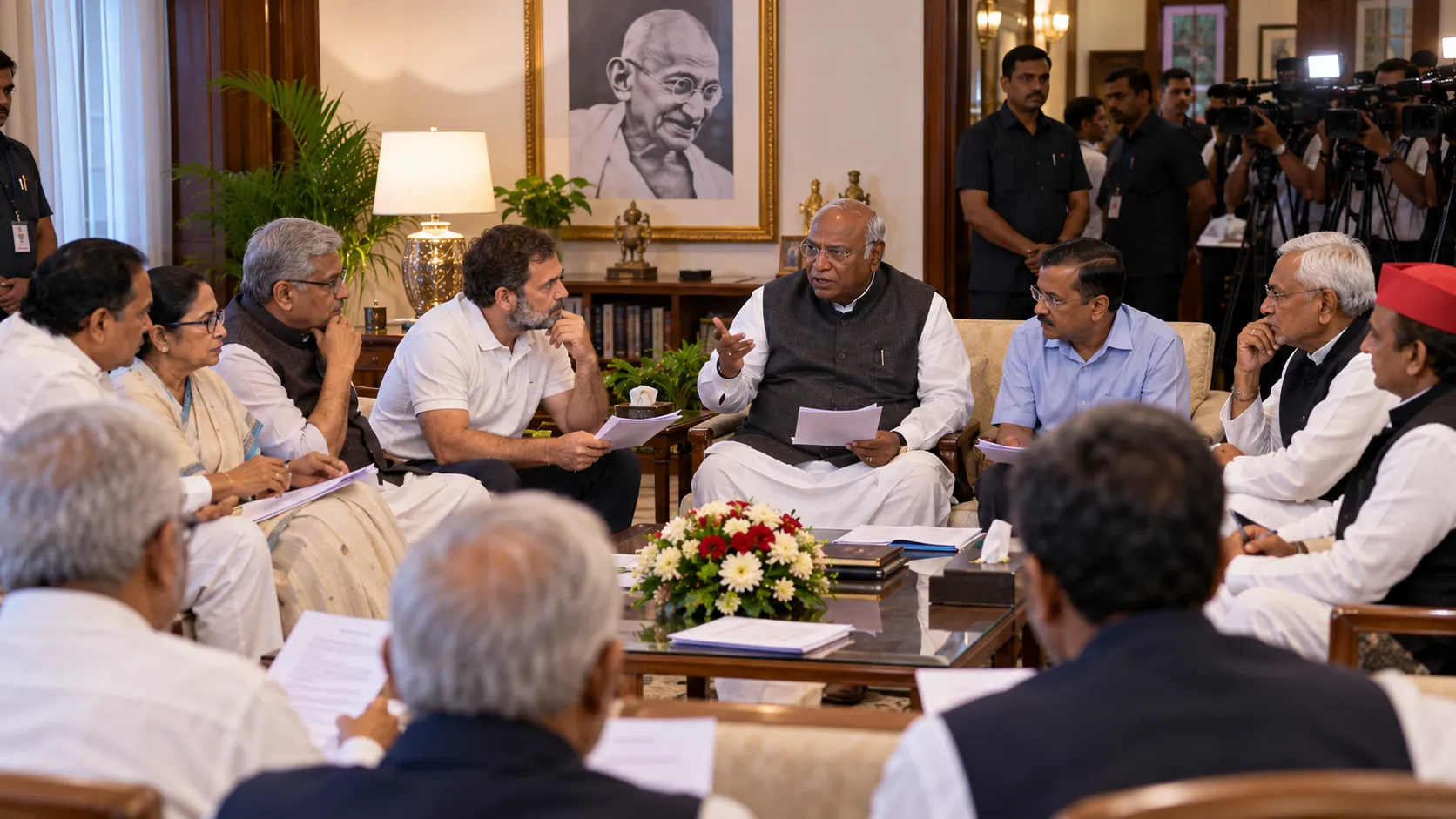
Ayyub says he will appeal to the First Appellate Authority and has accused the Commission of quoting the wrong provisions and of keeping voters in the dark. The Congress has taken up the matter. Its general secretary Jairam Ramesh said that the Commission had refused to name the software or to confirm whether AI is used and with what safeguards. Former Election Commissioner Ashok Lavasa has alleged that electoral registration officers have been unable to access ECINET, which he called illegal, while a former Chief Election Commissioner, O.P. Rawat, advised the applicant to appeal.
What officials expect in Telangana
In Telangana, 73.39 lakh names have been removed from the base list of 3.38 crore voters that was used in the 2024 Lok Sabha elections. About 45.19 lakh of these, or 61.57 per cent, were voters who had shifted residence. Officials link the high number to the revision running in both Telugu states at the same time, which meant that many voters had moved to their native places.
Officials estimate that five to six lakh more names could go after the final roll is published on 9 November, which would bring the list down to about 2.6 crore. The estimate comes from unnamed officials and is a projection and not an announced figure.
The tool involved is described as Demographically Similar Entries, or DSE. It flags possible duplicate registrations by comparing details such as names, ages, genders, relatives' names and addresses, and it produces a report of suspected duplicates. Officials say that voters registered in both Andhra Pradesh and Karnataka could lose their Telangana registration, and that a voter found with two registrations after the revision may get a notice and could face punishment of up to one year in jail and a penalty.
The questions that remain
The argument over secrecy is about accountability. The Commission's position is that the software is a tool and that human officers take the decisions. Critics respond that if a program flags names for deletion, the public has a right to know how it works and how it is tested, especially when deletions run into lakhs. The Section 8(1)(d) exemption covers commercial secrets, but it also contains a public interest override, and an appeal is likely to turn on whether the disclosure of the name of a program can harm anyone's commercial interest.
Another practical point concerns voters. Anyone who has moved or who has registered in two places should check their entry before 9 November, and the Chief Electoral Officer, C. Sudarshan Reddy, has said that for the coming graduates' constituency polls, a voter ID number is not needed on the application form and residence will be verified instead.
P
4 min
What did you think?