/
Demanding a bribe is 'a pure criminal act', not official duty, Supreme Court tells accused officials
The Supreme Court has ruled that Section 17A of the Prevention of Corruption Act, which requires prior approval before an officer's official decisions are investigated, offers no cover to a public servant accused of asking for a bribe. A Rajasthan constable's appeal was dismissed.
P
5 min

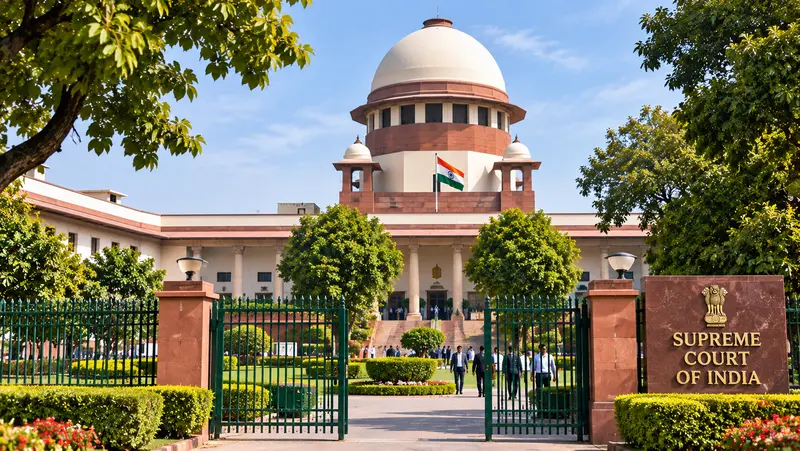
A public servant accused of demanding a bribe cannot hide behind the law that requires the government's permission before his official decisions are investigated, the Supreme Court has held. Demanding a bribe is "a pure criminal act, not connected with official functions", a bench of Justices S.V.N. Bhatti and N.V. Anjaria said, and the protection of Section 17A of the Prevention of Corruption Act does not reach it.
The judgment, delivered on 16 October and reported on Tuesday, dismisses the appeal of Tejaram, a Rajasthan Police constable, and leaves him to face trial for seeking Rs 1.5 lakh.
The case of the constable
Tejaram was posted to the office of the deputy superintendent of police at Sirohi. On 22 April 2021 a fellow constable, Devendra Kumar, wrote to the Anti-Corruption Bureau alleging that Tejaram had demanded Rs 1.5 lakh from him on behalf of the superintendent of police. Tejaram's account is that the complaint was revenge: he says Kumar himself had taken money from accused persons during an investigation trip to Madurai to let them escape, and struck first when exposed.
The bureau registered a case on 4 June 2021 and arrested him on 1 September that year. The sanction needed to prosecute a public servant came on 8 December 2023, the charge sheet followed in January 2024, and on 12 September 2024 the special judge at Pali framed a charge under Section 7 of the Act. The Rajasthan High Court refused to interfere in March 2025. The constable then went to the Supreme Court.
His argument was procedural but far-reaching. Section 17A, added to the Act in 2018, says no police officer may inquire into or investigate an offence alleged to have been committed by a public servant "in discharge of his official functions or duties" without prior approval from the competent authority. Senior advocate Abhimanyu Bhandari argued that the provision was mandatory, that no approval had been taken before the investigation began, and that the defect could not be cured later. He added that the question whether Sections 17A and 19 are procedural or substantive is itself pending before a larger bench.
For the state, Additional Advocate General Sansriti Pathak answered that Section 17A was never meant as blanket immunity. Asking for money, she said, was no part of the constable's duties and was linked to no decision or recommendation he had made in office.
What the court held
The bench, in a judgment written by Justice Anjaria, agreed with the state. The decisive words of the section, it said, are the ones about official functions and duties. Section 17A applies only where the alleged offence relates to a recommendation made or a decision taken by the public servant in the discharge of those duties. "The Section cannot be viewed to have an omnibus application," the court said. A demand for money satisfied none of its ingredients: "None of the ingredients provided for in the Section is satisfied to attract its operation."
The court called the judicial view on the point "consistent and categorical", relying on its own rulings in CBI v Santosh Karnani in 2023, Surendra Dhariwal and, earlier this year, Anil Daima v State of Rajasthan, each of which had refused to stretch the section to cover bribe demands. The pending reference on the constitutional validity of Section 17A, it added, made no difference to this case, because the section was not attracted at all.
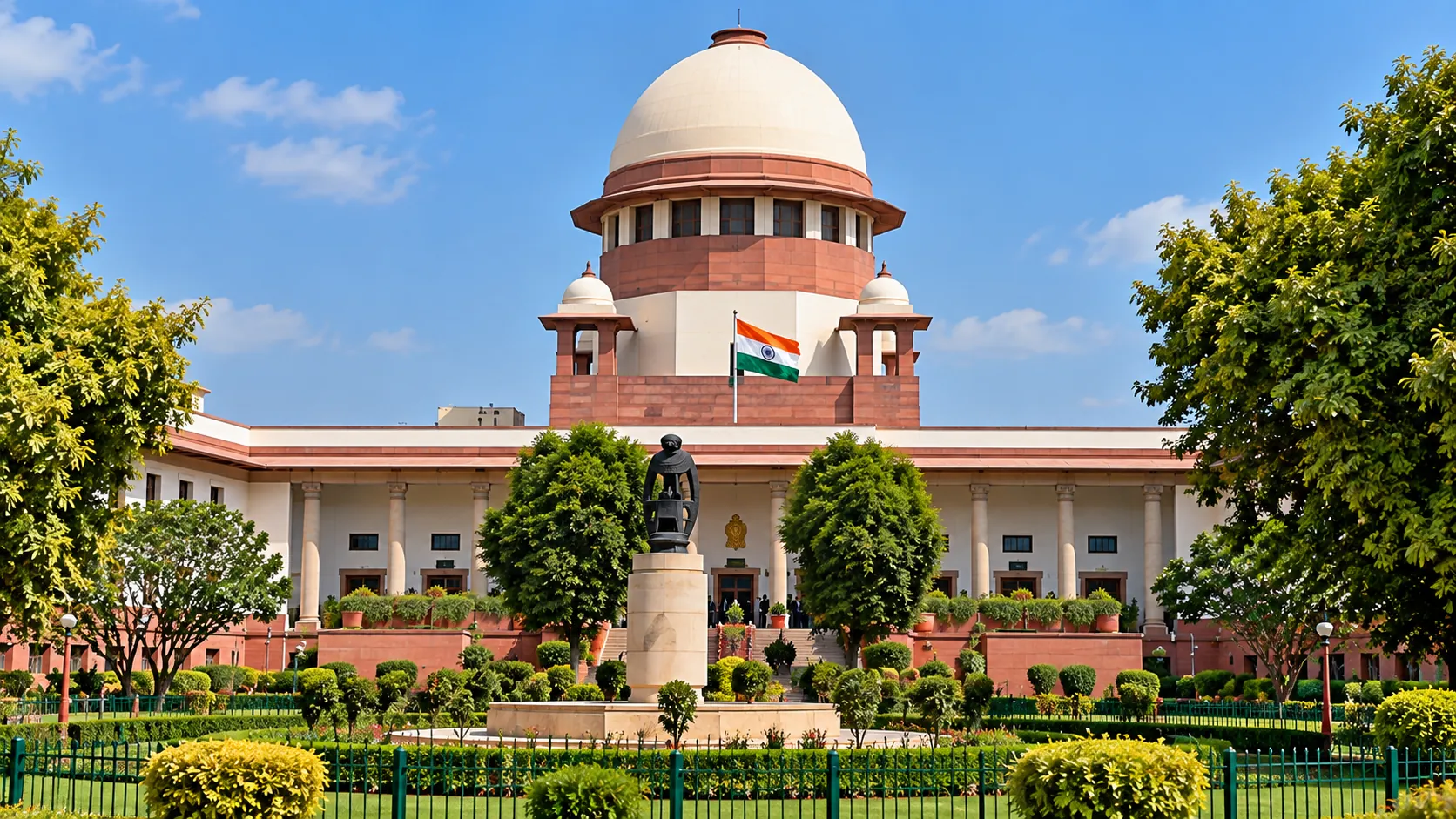
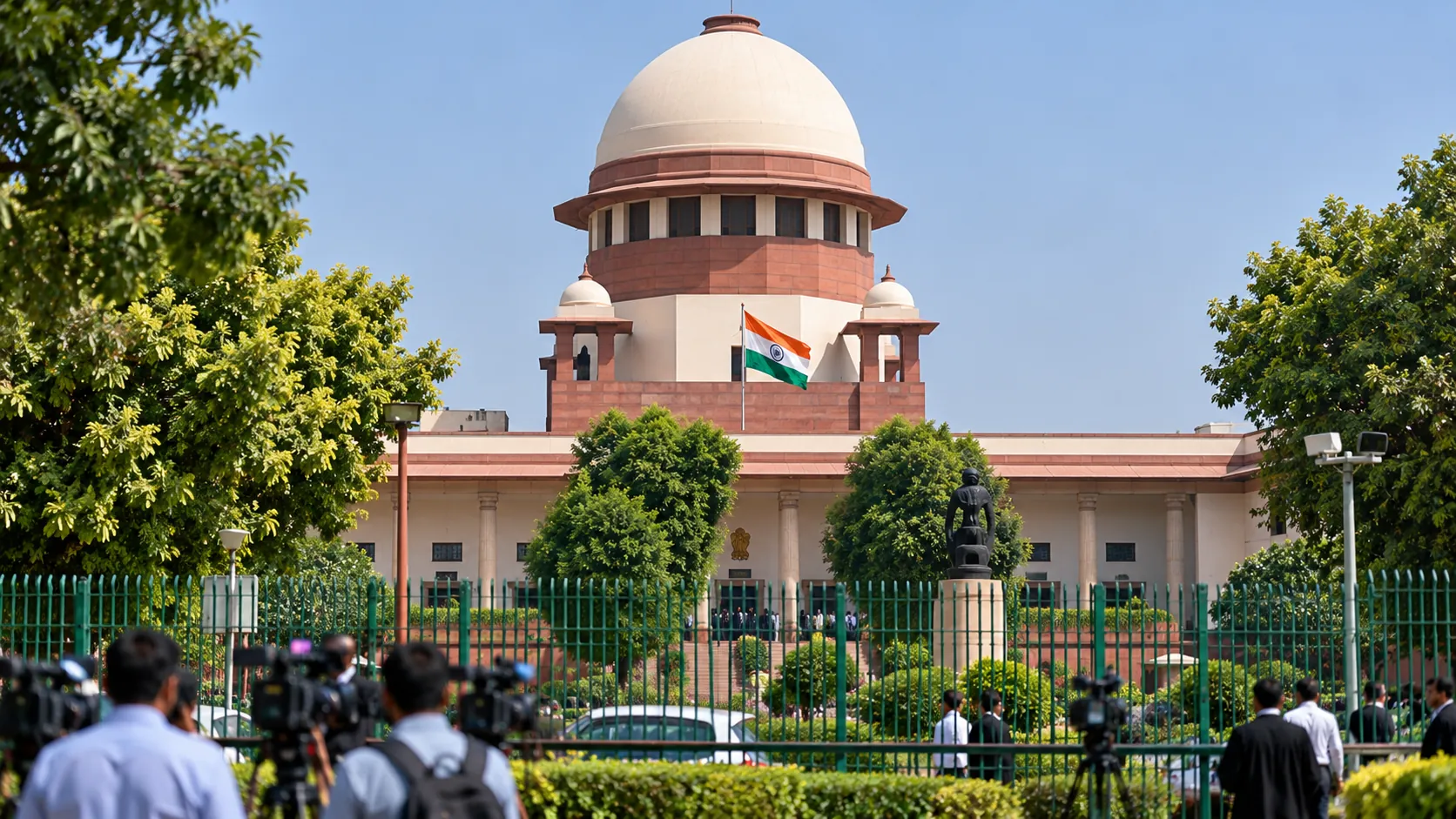
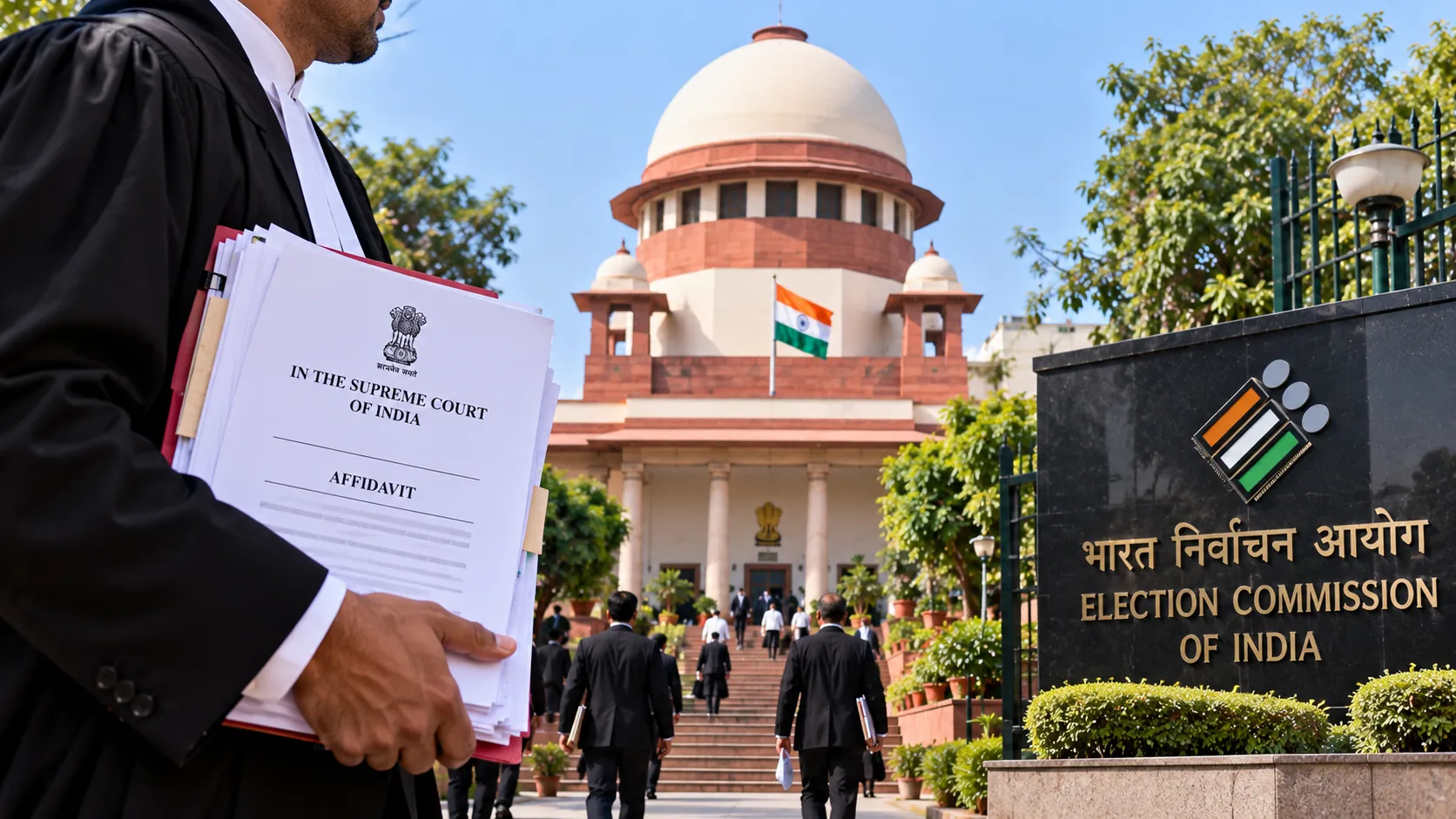
On the second complaint, that the sanction under Section 19 came late, the bench was equally brief. The sanction had been obtained before the trial court took cognisance; any irregularity in its timing could not undo the proceedings. "The trial would be conducted on its merits, where the respective parties would raise their rival contentions," the court said, and upheld the High Court.
Why it matters beyond one constable
Section 17A arrived with the 2018 amendment to the Act, the same amendment that made giving a bribe an offence and set time limits for corruption trials. It was sold as a shield for honest officers, so that a decision taken in good faith could not become a criminal case at the whim of an investigator. Since then it has been raised in case after case as a first line of defence, including by accused persons whose alleged conduct had nothing to do with any decision at all. The Supreme Court has now said, for the third time in three years and in the plainest terms yet, that the shield covers decisions, not demands.
The distinction the court draws is a practical one for investigators. An officer who cleared a contract, allotted a plot or passed a file can still insist that the government vet any inquiry into that decision before it begins. An officer accused of naming a price for doing so cannot, because naming a price is not a function of any office. The two can be alleged in the same case, and the court's reading means the second allegation can be investigated while the first waits for approval.
The larger question is still open. In January a two-judge bench split on whether the prior-approval requirement is constitutional at all, and the matter awaits a larger bench. Tuesday's ruling does not touch that. What it does is narrow the ground on which an accused official can stand while the bigger argument plays out: if the allegation is that you asked for money, the investigation does not wait for anyone's permission.
For Tejaram, the result is a trial in Pali on a charge first laid five years ago. For every anti-corruption bureau in the country, it is a sentence to quote the next time a suspect's lawyer asks who approved the inquiry.
P
5 min
What did you think?