/
US proposes a 25% tariff on India, capped at 17% if a trade deal is signed
The US Trade Representative on 25 November proposed a 25% tariff on India over what it calls excess manufacturing capacity, falling to 17% if a trade deal is finalised. India is among 14 economies named. New Delhi says it is studying the notice and has no structural excess capacity.
A
4 min
The United States has proposed a 25 per cent tariff on imports from India over what it calls structural excess capacity in manufacturing, with the rate falling to 17 per cent if the two countries finalise a trade agreement. The US Trade Representative (USTR) set out the plan on Wednesday, 25 November 2026, in a notice that names 14 economies and invites comments. Nothing takes effect yet, and India's Commerce Ministry said it is examining the notice.
The action is being taken under Section 301 of the US Trade Act, which lets Washington respond to foreign practices it considers unfair. The USTR opened the excess capacity investigation in March against 16 economies: China, the European Union, India, Japan, South Korea, Taiwan, Switzerland, Singapore, Indonesia, Malaysia, Cambodia, Thailand, Vietnam, Bangladesh, Norway and Mexico. It made no determination for Mexico or Norway, which leaves the 14 covered by the notice.
For India, the proposal has two rates: 25 per cent without a bilateral trade pact and 17 per cent if one is concluded. The gap of eight percentage points gives Washington a lever in the talks.
Rates for other economies
The figures below are the rates that apply to economies with a trade deal. The table does not include rates without a deal for the other economies, or any rate for Singapore.
| Economy | Rate with a deal |
|---|---|
| European Union, Japan, South Korea, Taiwan, Switzerland | 15% |
| India | 17% (25% without a deal) |
| Bangladesh, Cambodia, Indonesia, Malaysia, Thailand | 18% |
| China, Vietnam | 20% |
The 15 per cent figure for the first group includes standard duties. US Trade Representative Jamieson Greer said the new rates are "not really additive" and would in general not be stacked on existing duties, saying that in effect the measure would "look more like a top-up". Greer argued that trading partners tilt the balance of trade in their favour.
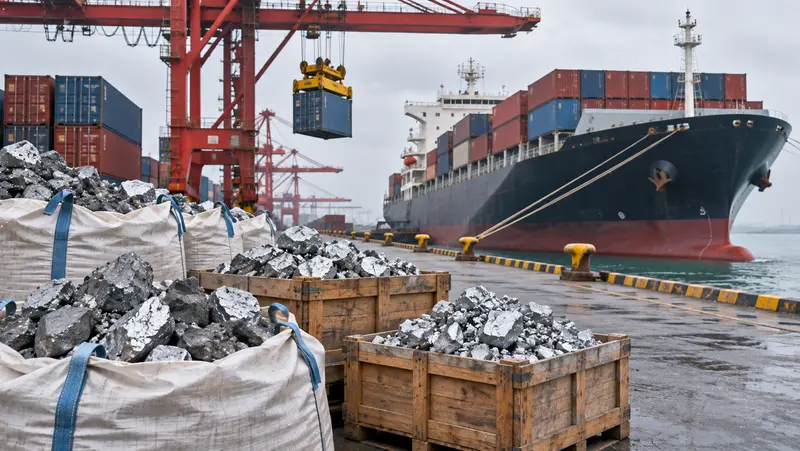
The USTR report on India is titled "India's Acts, Policies, and Practices Relating to Structural Excess Capacity and Production in Manufacturing Sectors". It points to trade surpluses in pharmaceuticals, steel and information technology goods. Excess capacity, in this argument, means factories able to produce far more than the home market can use, with the surplus sold abroad at low prices. No figure for India's surplus has been given.
The Commerce Ministry said it had taken note of the notice and was examining it. It said "India does not have structural excess capacity in any sector". It added that trade concerns should be dealt with in the bilateral talks, and that India remains committed to an early conclusion of the agreement announced on 2 February 2026 and set out in a joint statement of 7 February.
Critics have also questioned the case. A Delhi trade research group, the Global Trade Research Initiative, said the proposal recreates the earlier reciprocal tariffs under a new name.
Background to the tariffs
The Supreme Court of the United States struck down earlier tariffs that had been imposed under emergency powers, and the administration has since turned to Section 301 and other laws. The USTR opened two Section 301 investigations this year, one on forced labour covering 60 jurisdictions and this one on excess production. Legal challenges to the new measures are expected. India's February framework with the United States had cut the penalty tariffs on most Indian goods, and the final agreement has not yet been signed.
Pharmaceuticals, steel and technology goods are the sectors named in the report, and solar products, textiles, petrochemicals, construction materials and automobiles have also been listed. Exporters will want to know whether their goods are covered by the final list and whether the rate applies on top of the duty they already pay. A top-up structure would mean that a product already facing a higher duty sees little change, while a product with a low duty could face a sharp rise. Exporters should check the final notice for their own tariff lines before changing prices or contracts, since the proposal can still be amended after comments.
The lower rate applies only if a bilateral trade pact is finalised. The February announcement set out a framework, but the legal text has not been concluded, and the two sides have continued to negotiate. The proposal therefore ties the size of India's tariff to the pace of those talks. If an agreement is signed before the tariffs take effect, Indian exporters would face the lower figure. If the talks stall, the higher one would apply under the proposal as it stands.
Timetable
Written comments are due by 5 January and a public hearing is set for 25 January. No effective date has been fixed. Greer said he did not expect tariffs to take effect for at least a couple of months, so the earliest date is in the new year. The USTR can change rates, exempt products or drop the plan after the hearing.
India has until the January deadline to file comments, and its negotiators can use the period to try to close the trade agreement. Industry bodies are likely to file their own submissions. The USTR publishes the notice, the comments and the final determination, and the Commerce Ministry issues India's statements.
About the Author
A
Amita Sahani
Staff Writer
Amita Sahani writes for Wirony. Every story under this byline is reviewed and approved by an editor before it is published, and corrections are made openly.
A
4 min
What did you think?