/
Jio IPO allotment today: institutions bid 70.55 times, retail 2.72 times; what the split means
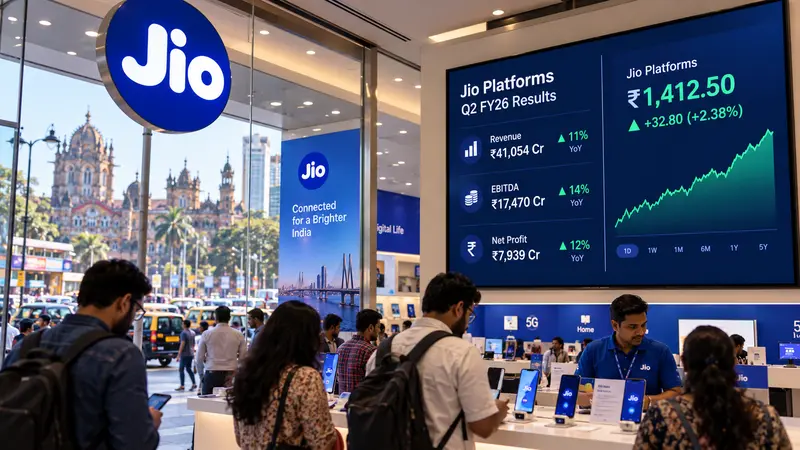
Jio Platforms' IPO was subscribed 22.19 times overall, with qualified institutions at 70.55 times, non-institutional investors at 14 times and retail at 2.72 times. The basis of allotment is due today, refunds and share credit on 27 October, and listing on 28 October.
A
4 min

The basis of allotment for the Rs 30,213 crore initial public offer of Jio Platforms is due today, Monday, 26 October. Refunds will begin and shares will be credited to demat accounts on 27 October, and the shares are due to list on the BSE and NSE on 28 October. The issue, which ran from 21 to 23 October, was subscribed 22.19 times overall, but the split between categories is uneven and tells investors a great deal about what to expect.
How each category bid
At the close of bidding, the figures for the categories were as follows, according to the final-day tally.
| Category | Subscription |
|---|---|
| Qualified institutional buyers | 70.55 times |
| Non-institutional investors | 14.00 times |
| Retail investors | 2.72 times |
| Employees | 2.93 times |
| Shareholders | 7.60 times |
Within the non-institutional category, the big investors who bid more than Rs 10 lakh subscribed 15.89 times, and the smaller ones who bid Rs 2 lakh to Rs 10 lakh subscribed 10.22 times. Some trackers show slightly lower totals, such as 21.36 times, because they were updated at different times, and the figures from the 7 pm tally on the last day are not the final closing numbers.
What the split means
The institutions took the largest share of the demand. They were allotted 50 per cent of the shares, apart from the anchor portion of Rs 8,110 crore that was sold on 19 October, and they asked for more than 70 times that number. Strong institutional demand is generally read as a sign that big funds believe in the valuation, and it often supports a stable listing.
Retail investors were allotted 35 per cent of the shares, and they bid 2.72 times. When an issue is oversubscribed, retail allotment goes by lot. At about 2.7 times, roughly one applicant in 2.7, or around 37 per cent, can expect to get shares in the category if everyone bids for the same number of lots, though the exact chance depends on how the bids were spread. That is a much better chance than in many IPOs that were bid for 20 or 30 times by retail investors, and it explains why some applicants will get a lot while others get nothing.

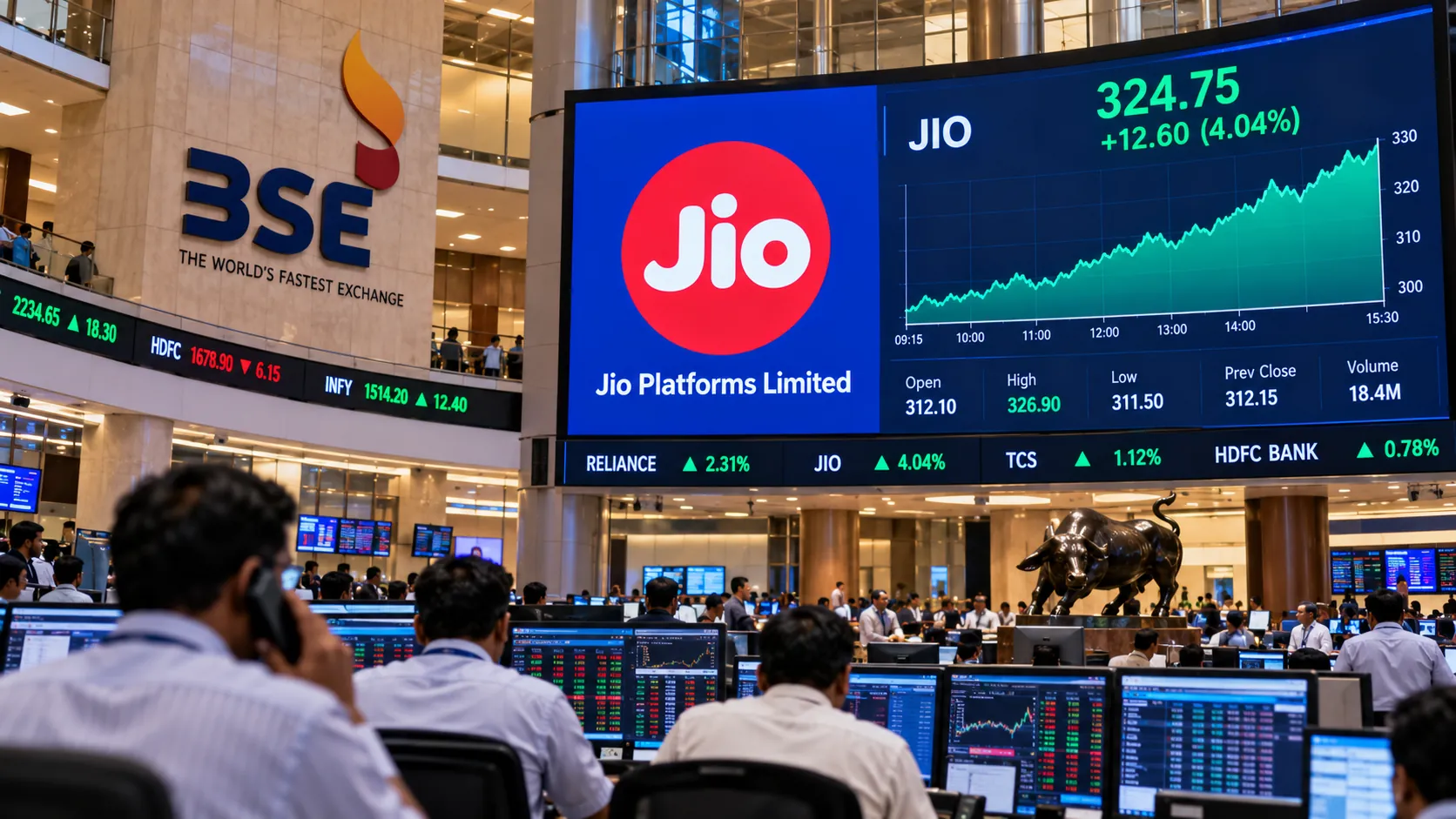
Allotment in the retail category is made by lot. Where an issue is oversubscribed, the applicants are chosen by a computerised draw, and each applicant who is chosen gets the minimum bid lot, which here is 12 shares. A family that applied through several demat accounts, each with a separate PAN, has several chances, while repeated applications on a single PAN are rejected. The money of those who are not chosen is unblocked, which for UPI bids means the mandate is released and nothing needs to be done.
The issue in brief
The price band was Rs 1,065 to Rs 1,119 a share. The issue was entirely fresh, with 27 crore equity shares, and a retail applicant had to bid for at least 12 shares, which cost Rs 13,428 at the top of the band. The registrar is KFin Technologies, and applicants can check their allotment on its website using a PAN, an application number or a demat account number, and on the BSE and NSE pages. Reliance Industries held 66.43 per cent of the company before the issue, and its stake will be 64.48 per cent after it.
On Saturday, the grey market premium for the shares was about Rs 243 to Rs 246, or roughly 22 per cent over the top of the band. The grey market is unofficial and not a forecast, and the premium can move or vanish before the shares trade. A listing at a price well above the issue price would favour those who were allotted shares, while a modest listing would leave them with a smaller gain.
Applicants who did not get shares will see their money released, and investors who want to buy on the first day should wait for the opening price and the volumes. Foreign investors have been selling in Indian shares this month, and the Jio listing, as one of the largest of its kind, may attract both foreign and domestic funds on the first day. For a retail buyer, the most important point is to be clear about whether the aim is a listing gain or a long-term holding, since the two call for different decisions on 28 October.
A
4 min
What did you think?