/
India's Venezuelan oil imports could top $15 billion this year, from just $255 million last year
India bought $3.6 billion of Venezuelan oil in the first five months of the fiscal year, against $255 million in all of the last, and could pass $15 billion if the pace holds, says the Global Trade Research Initiative. It advises buying for price, not investing in oilfields.
P
4 min
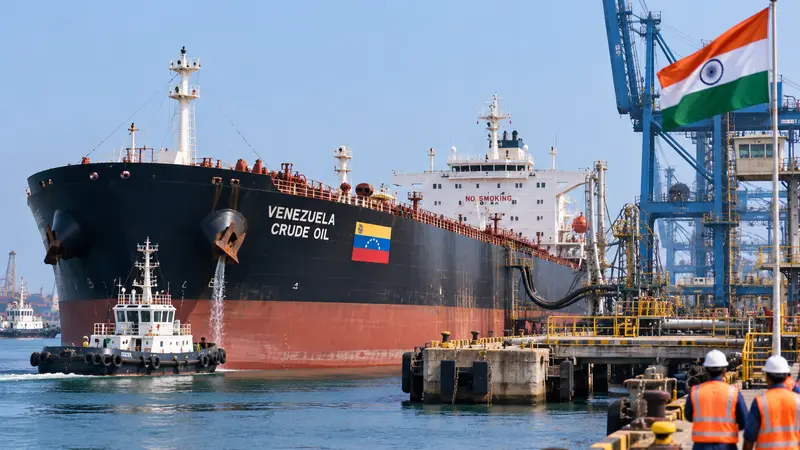
India's oil imports from Venezuela have risen from almost nothing to $3.6 billion in the first five months of the 2026-27 fiscal year, and could pass $15 billion for the full year if the pace continues, according to the Global Trade Research Initiative. In the whole of the previous fiscal year India bought only $255 million of Venezuelan oil. The figure of $15 billion is a projection by the think tank's founder, Ajay Srivastava, not an official number.
Why India is buying more
The change is happening because India's oil sourcing has been disturbed from two directions. Washington has been pressing New Delhi to cut its purchases of Russian crude and to buy more American and Venezuelan oil instead. At the same time, the share of Gulf countries in India's imports has dropped from 55 to 60 per cent to under 30 per cent after supply disruptions, and India imports about 90 per cent of the oil it uses.
Russia's share of India's oil imports was below 15 per cent before the Ukraine war. It peaked at 51 per cent in July and fell to 45 per cent in August. A separate estimate puts Russian supply at about 1.9 million barrels a day in September, which was more than 35 per cent of the month's imports. The two sets of figures use different bases, but both show that Russian crude is still the biggest single source.
Washington's tariff on Indian goods over Russian oil was withdrawn in February this year, and the pressure has since taken the form of persuasion and of offers of other supplies. The Venezuelan option appeals because it can be bought in the open market for a price below that of many other crudes.
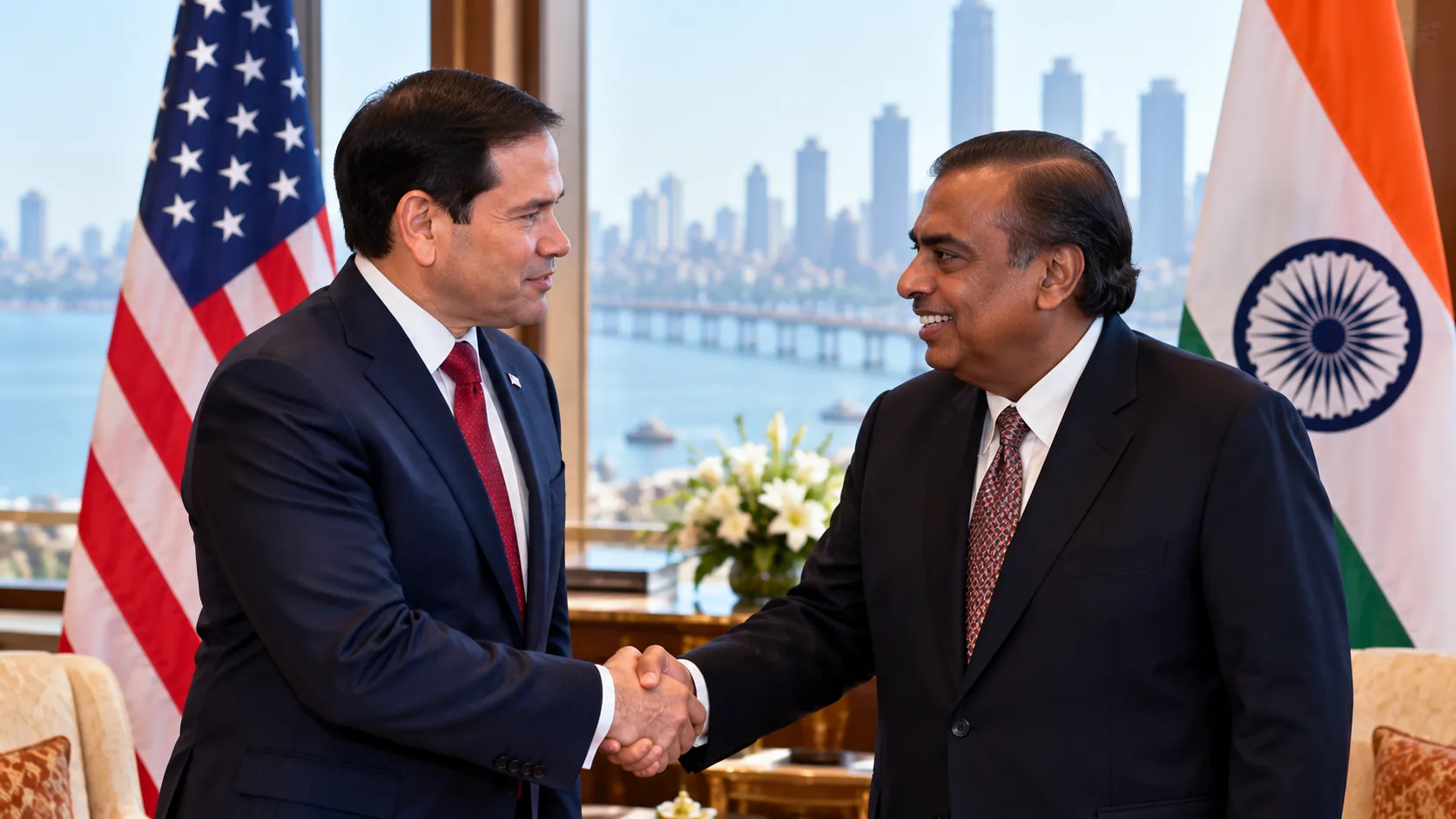
US Secretary of State Marco Rubio visited India this week and spent time at Reliance's Jamnagar refinery, which is the only Indian refinery that has processed Venezuelan crude on a regular basis and is built for heavy grades.
What makes Venezuelan crude attractive
The main attraction is price. India paid about $820 a tonne for Saudi crude between April and August, and Venezuelan crude was around 25 per cent cheaper over the same period. For refiners that can process it, the discount is the reason to buy.
The discount has a cost attached. Venezuelan oil is heavy and sulphur-rich, so it needs more processing and may give less of the valuable products such as petrol and diesel. Only some refineries are equipped for it, such as Reliance's Jamnagar complex, which can process about 1.4 million barrels a day and is built to take heavy grades. That limits how much can be taken, and freight and the cost of buying American crude as an alternative also affect the final saving.
| Measure | Figure |
|---|---|
| Venezuelan imports, first five months of FY27 | $3.6 billion |
| Venezuelan imports, all of FY26 | $255 million |
| Possible imports for FY27 at this pace | Above $15 billion |
| Venezuelan discount to Saudi crude, April to August | About 25% |
Srivastava's advice is to buy oil wherever it is competitively priced, without agreements that limit India's choices. He warns against committing large sums to developing Venezuelan oilfields. India's earlier experience shows why. Between 2010 and 2015, ONGC Videsh worked with Venezuela's state oil company, and later US sanctions hurt Indian investments there, with private companies including Reliance also suffering losses.
Venezuela's oilfields now produce about one-third of their potential, and restoring them could cost around $100 billion and take seven to 10 years, according to estimates he cites. In his words, buying oil from a supplier is one thing, and committing billions of dollars to develop oilfields is another.
He also says that energy purchases should be kept separate from trade negotiations with the United States and should follow economic interest and energy security.
The first thing to watch is whether the monthly import numbers keep rising and whether more refiners than Reliance can take the heavy grade. The second is the price gap with other crudes, since a narrower discount would remove the reason to buy. The third is policy: if Washington's sanctions rules change again, cargoes that are legal this month could become a risk next month. For India, the sensible course is to treat Venezuelan oil as one more source in a mix, and not as a replacement for any one supplier.
P
4 min
What did you think?