/
Apple posts record quarter under Ternus: $114.5 billion revenue, iPhone $57.6 billion; margin guidance weak
Apple reported fiscal Q4 revenue of $114.48 billion, up 12%, and EPS of $2.10, both above estimates, in its first results under CEO John Ternus. iPhone revenue was $57.58 billion and Mac rose almost 24%. Shares slipped after hours as Apple guided December gross margin to 45-46% on memory costs.
S
5 min
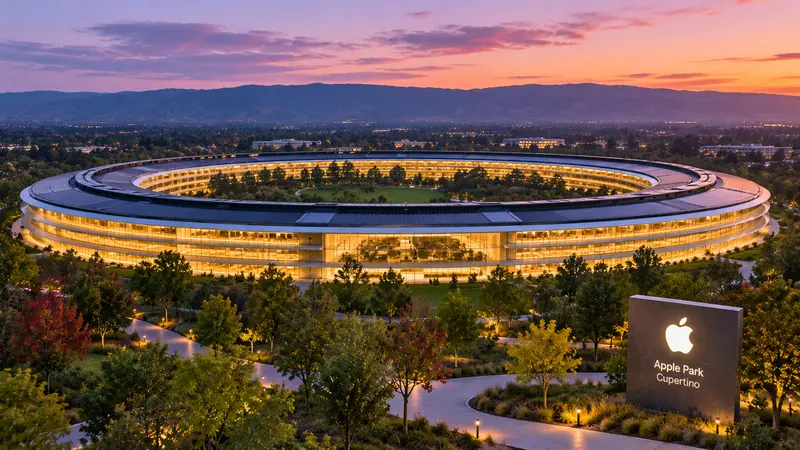
Apple reported record revenue for its fiscal fourth quarter, the first under chief executive John Ternus, but gave a gross margin forecast for the current quarter that came in below expectations. Shares fell in extended trading after the report, with no percentage move reported. Before the report they had slipped about 2%, leaving Apple and Nvidia roughly tied at about $4.91 trillion in market value.
The results
Revenue for the quarter ended 26 September was $114.48 billion, up 12% from $102.5 billion a year earlier and above the $113.39 billion that analysts expected. Diluted earnings per share were $2.10, up 14%, against $1.99 expected, and tariff refunds added 5 cents. The company said it was a September-quarter record for revenue, iPhone revenue and earnings per share, and that services revenue reached an all-time high.
iPhone revenue was $57.58 billion against $56.54 billion expected, up from $54.25 billion a year earlier, and included only about eight days of sales of the new iPhone 18 Pro. Mac revenue was $10.79 billion, up nearly 24% and well above the $9.61 billion expected, and Greater China revenue rose 21% to $17.53 billion. Some lines were weaker. iPad revenue was $6.23 billion against $6.7 billion expected, and wearables, home and accessories fell nearly 8% to $8.3 billion against $9.06 billion expected. Other products were $31.57 billion, in line. Services growth was under 10%, the slowest since 2022. Capital spending was $2.24 billion against $3.33 billion estimated.
Margins and guidance
Gross margin was 47.9%, including about one point from tariff refunds, against 50.1% in the previous quarter and 47.5% expected. For the December quarter Apple expects revenue growth of 7% to 10%, against a 6.1% analyst estimate, and services growth of 8% to 9%. It guided gross margin to 45% to 46%, below the 46.3% analysts expected.

Memory costs were higher than in the June quarter, only partly offset by inventory and lower non-memory component costs. In the preview, analysts had noted that Apple said rising memory costs account for more than the whole drop in margin from 48.1% to the guidance midpoint, and that demand from AI data centres is tightening supplies of DRAM and flash memory. One report put the flash memory behind a typical iPhone storage upgrade at $66 for Apple, up from $15. Apple raised prices across the board in June, including by $100 on iPhones, and Ternus said it did so reluctantly. The iPhone Duo, which went on sale on 23 October, was not on sale in the quarter and contributed no sales.
Returns to shareholders
The chief financial officer, Kevan Parekh, said that Apple generated $28 billion in operating cash flow during the quarter and returned $28 billion to shareholders. The board declared a cash dividend of $0.27 per share, payable on 16 November to shareholders of record on 12 November. Apple said that its active installed base of devices reached an all-time high across all major product categories and geographic segments, which is the base that feeds the services business. Its product highlights for the quarter included the iPhone Duo, the iPhone 18 Pro and iPhone 18 Pro Max, a new generation of home hardware, touch on the Mac for the first time and the all-new Siri. The reports do not break out the buyback amount.
Ternus took over from Tim Cook between the July and November reports, since the June-quarter release still quoted Cook as chief executive. He called it Apple's best fiscal year ever, with record revenue of $479 billion, and said Apple has never been more confident that the best is yet to come. An updated Siri was released in the quarter as a free upgrade for compatible iPhones, and he said there are plenty of opportunities to make money from it, citing hardware upgrades as one example. Analysts had said they would press him on artificial intelligence, the Siri upgrade and whether Apple could earn App Store revenue from third-party AI services, and the call gave only a broad answer on monetisation.
The results beat Apple's own guidance on the quarter just ended: the company had guided revenue growth of 9% to 11%, or roughly $111.7 billion to $113.7 billion, and a gross margin of 47% to 48%, and it delivered 12% growth and 47.9%. The new guidance is for slower growth and a margin about two points lower than the quarter just ended, which for a company with Apple's revenue means a large drop in gross profit per dollar of sales. Analysts now have to decide whether memory costs, which depend on the pricing power of a handful of chipmakers whose output is being diverted to artificial intelligence data centres, will keep rising through the holiday quarter. Services, which carries much higher margins than hardware, grew under 10%, which leaves less room for the mix to offset the higher hardware costs.
Before the report, Apple closed at $344.63, down 1.2%, while the Nasdaq Composite fell 2.9% in the previous session. Of 27 analysts covering the stock, 13 rated it a buy, 10 a hold and four a sell, with an average 12-month price target of $337.77. The shares trade at about 40 times earnings and have risen about 30% in a year, so the market is pricing in a good deal. The December quarter is the one that includes the full holiday season and the first full quarter of the iPhone 18 Pro and Duo, so whether the 45% to 46% margin guide proves conservative will decide how the shares trade when the market opens.
S
5 min
What did you think?