/
Digital news publishers tell Supreme Court data law's consent rule could shut newsrooms; notice to Centre
The Digital News Publishers Association, with 21 members, told the Supreme Court that the data protection Act has no journalism exemption and that prior consent would amount to pre-censorship. A bench led by CJI Surya Kant issued notice to the Centre but refused an interim stay. Hearing: 17 Nov.
R
4 min
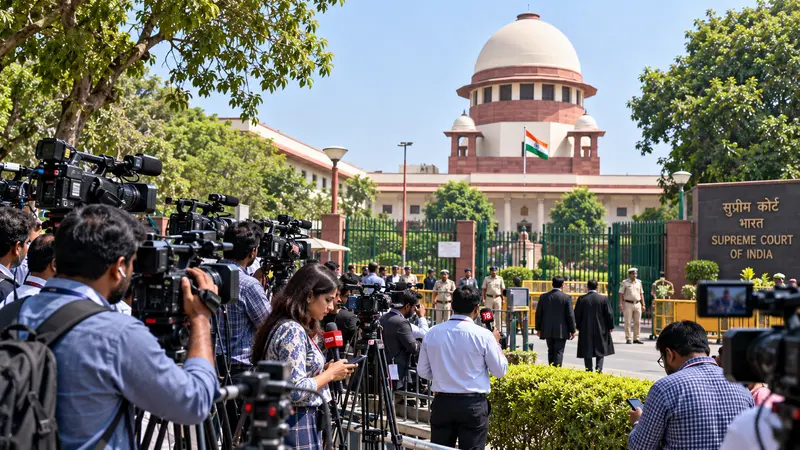
The Supreme Court on Tuesday, 27 October, issued notice to the Centre on a challenge by digital news publishers to the Digital Personal Data Protection Act, but declined to stay the law without hearing the government. The Digital News Publishers Association, which brings together the digital arms of 21 news organisations, argued that the Act has no exemption for journalism and that a requirement to get prior consent before publishing would amount to pre-censorship and could shut newsrooms. The case will be heard next on 17 November.
The bench and the notice
The bench was led by Chief Justice of India Surya Kant, with Justices Joymalya Bagchi and V. Mohana. Senior advocate Madhavi Divan appeared for the association. The court issued notice to the Union Ministries of Law and Justice and of Electronics and Information Technology on both the main petition and the application for a stay. It refused to grant an interim stay of the law without hearing the government. One report adds that the bench said a delicate balance has to be struck between privacy and media freedom, and asked the petitioners to put forward safeguards against the misuse of any exemption for journalism before the next hearing.
The argument
The association's main point is that the Act has no exemption for journalism. A news organisation that reports on a person, whether a politician, an official or a private individual, handles personal data, and the Act is built on the idea that a person who handles data needs the consent of the person it concerns, unless an exception applies. Divan argued that if journalists and news organisations had to take consent from the sources or subjects of their stories before publishing, the result would be a complete system of pre-censorship. Investigative reporting, which exists to publish what the subject does not want published, and the confidentiality of sources would be put at risk.
The petition notes that earlier drafts of the law, from 2018, 2019 and 2021, had explicit exemptions for news gathering and editorial publishing, and that these were dropped in the 2022 draft and the final Act of 2023. A freelance journalist, Yukta Mudgal, is also a petitioner.
The provisions challenged
The association challenges several provisions.
- Section 44(3) of the Act, which amends Section 8(1)(j) of the Right to Information Act on the disclosure of personal information.
- Sections 36 and 37 of the Act, read with Rule 23 and the Seventh Schedule of the Rules. The petition says Section 36 lacks safeguards on necessity, proportionality, judicial oversight and notice.
It argues that these provisions violate the fundamental rights to equality, to freedom of speech and expression, to carry on a profession and to life and personal liberty, under Articles 14, 19(1)(a), 19(1)(g) and 21 of the Constitution. It relies on the Supreme Court's judgment in the Puttaswamy case, which recognised privacy as a fundamental right, to argue that privacy must be balanced against freedom of the press and not placed above it.
The government has not yet filed its reply. One report, based on a newsletter, says that in a meeting with media bodies in July the Ministry of Electronics and Information Technology indicated that journalists are not treated as data fiduciaries under the Act, which would place the duty to obtain consent on the source and not the reporter. That is a second-hand account, and it does not appear in any official document in the reports available.
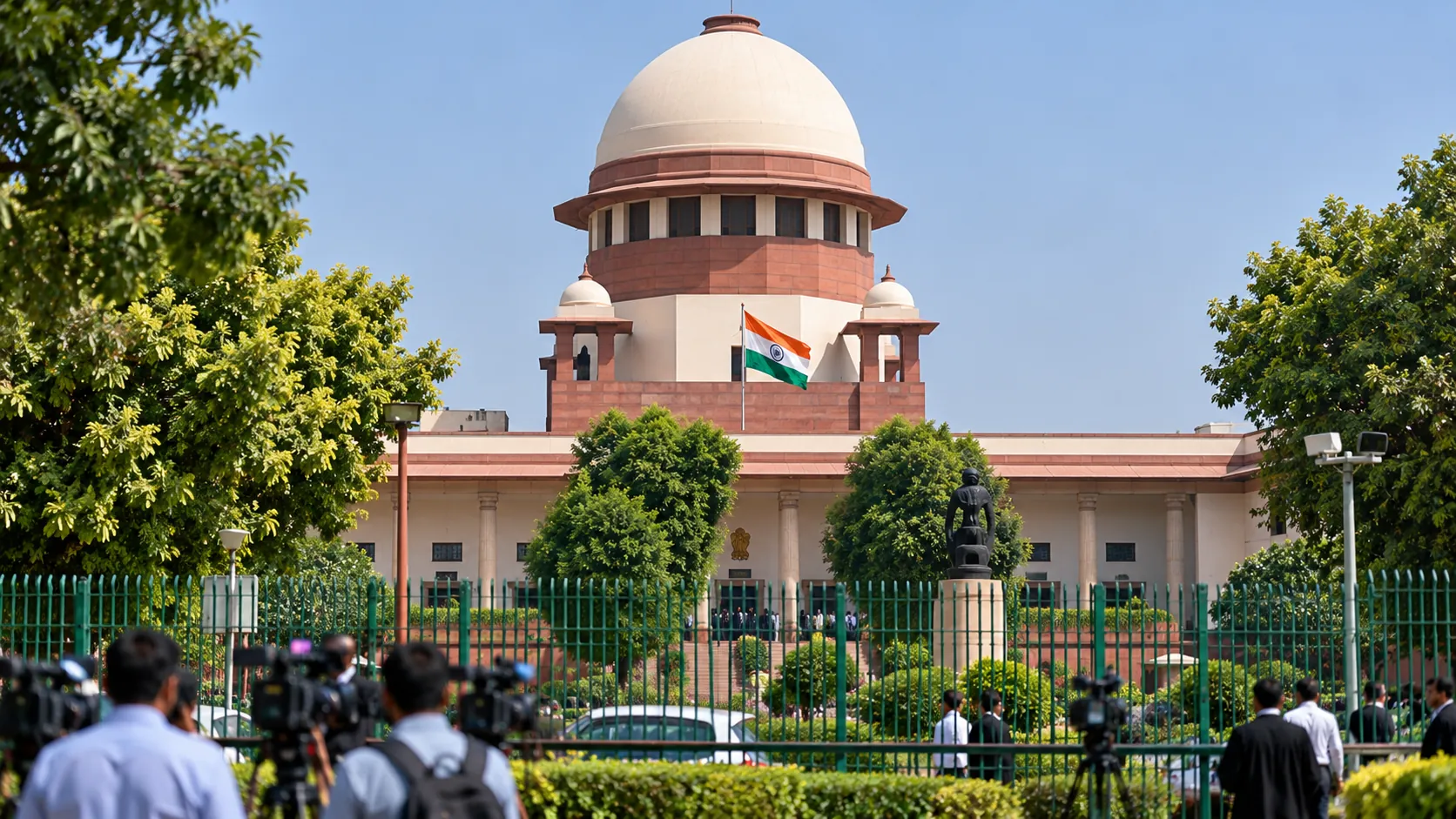
The Act, which was passed in 2023 and is being brought into force through rules, is the first comprehensive law on the protection of personal data in India. Its purpose is to give individuals control over how organisations use their data. The dispute over journalism shows the tension that exists in every such law. Privacy rules that are strict can protect people from misuse of their information, but when applied to reporting, they can be used to stop the publication of facts that a person would prefer to keep hidden.
Other countries have dealt with this by writing an exemption into the law for journalism, usually with conditions, such as that the publication be in the public interest. The association's case is that India's law should have one too, and the court has asked for suggestions on how to prevent misuse of such an exemption.
On 17 November, the government is expected to respond, and the court will consider whether to grant interim protection. The question of the interim stay is important because the Act's provisions are being phased in, and the newsrooms say they face the risk now. The final decision on the constitutional questions will take longer, and it will shape how the press works in the era of data protection.
R
4 min
What did you think?