/
Supreme Court quashes FIRs against students in Cockroach Janta Party July protest
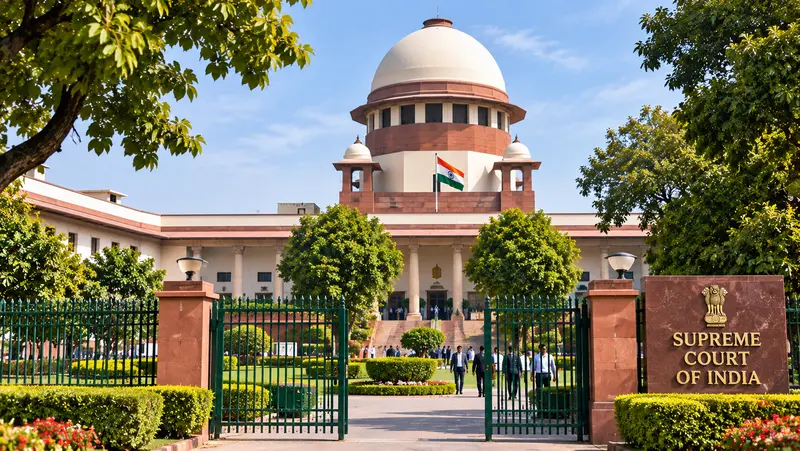
The Supreme Court on Friday quashed FIRs against students who joined a 20 July Cockroach Janta Party protest. The order comes as the CJP plans a 10 October Jantar Mantar rally despite police denying permission and amid claims of mass detentions.
R
4 min
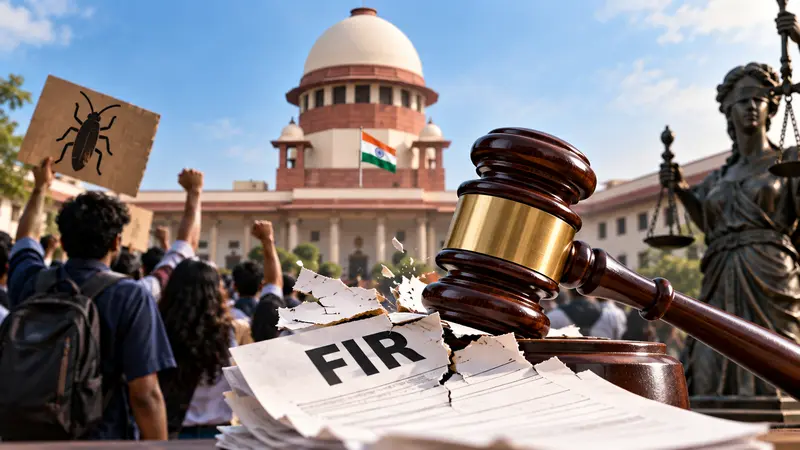
The Supreme Court on Friday scrapped the FIRs filed against students who took part in a 20 July protest linked to the Cockroach Janta Party (CJP), a satirical, Gen Z-driven movement that has grown into a regular presence on India’s streets and social media.
The case centred on complaints registered after a CJP demonstration that drew around 30,000 people, according to reports. The court’s order removes the criminal cases hanging over the students who joined that rally, at a moment when the group says police action is intensifying ahead of a fresh mobilisation in the capital.
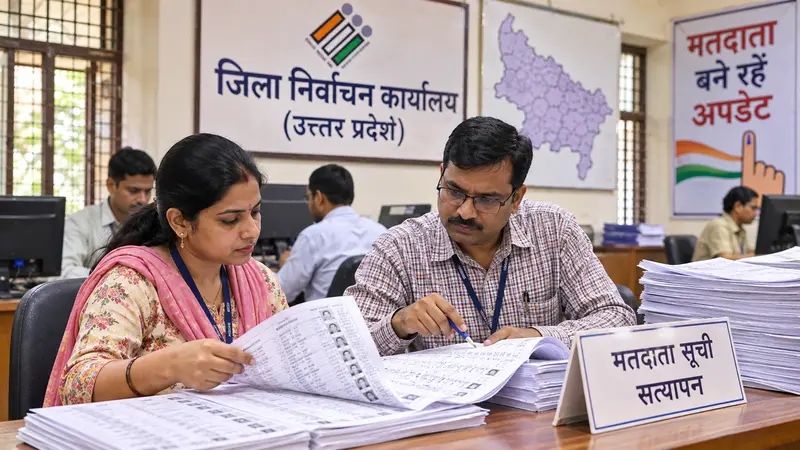
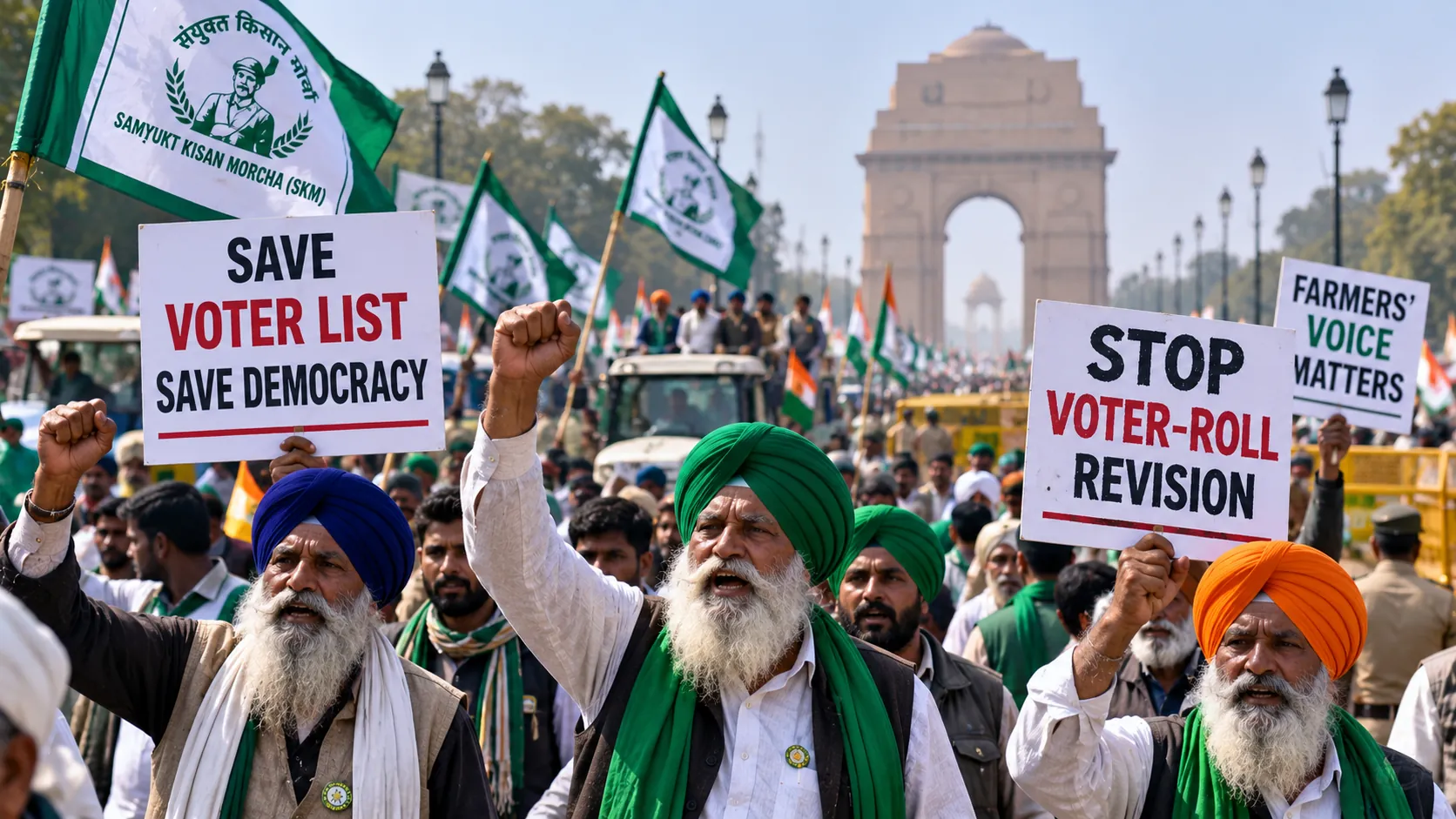
The ruling landed as the CJP and allied student groups prepare for a march to Jantar Mantar in New Delhi on 10 October, part of a wave of protests demanding the resignation of chief election commissioner Gyanesh Kumar over a disputed revision of voter lists.
Court relief as protests build
The Supreme Court’s decision, delivered on 9 October, addresses FIRs arising from the July protest and gives immediate relief to students who had been facing legal action for joining the demonstration.
CJP organisers and supporters have framed the order as a pushback against what they describe as the criminalisation of protest. It also comes just a day before the group’s planned show of strength in Delhi.
In parallel, the movement alleges that detentions are being used to blunt turnout. A CJP spokesperson, Ashutosh Ranka, said in a message on X on Thursday that “at least 10,000” people from CJP demonstrations, student organisations, affiliated grassroots groups and political parties had been detained across the country. Police authorities did not immediately respond to requests for comment, according to reports.
Videos circulating on social media have shown activists being taken away in vans, though the scale and circumstances of the detentions could not be independently verified from the material available.
Detention claims and a denied permit
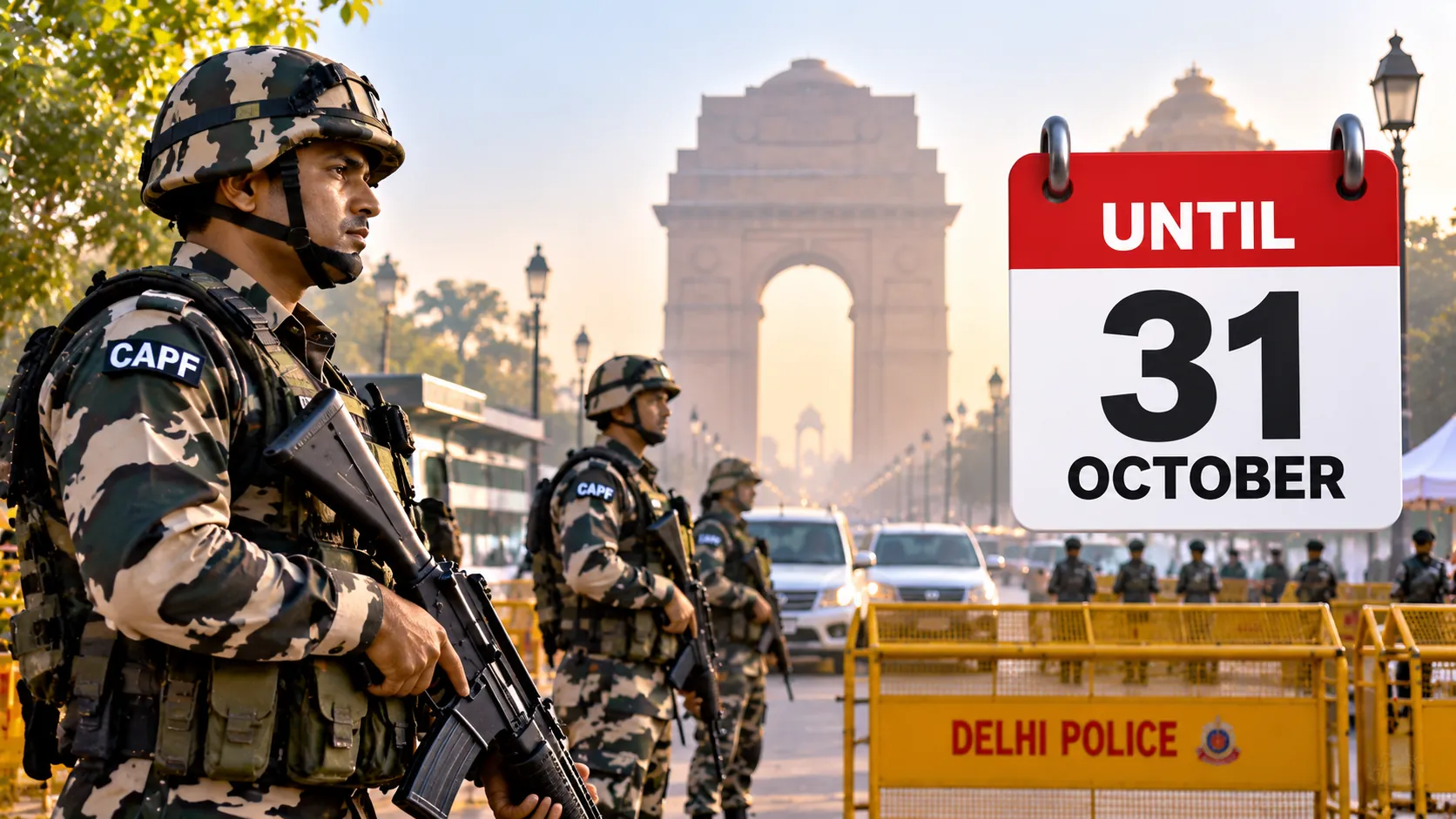
CJP founder Abhijeet Dipke has said the 10 October protest will go ahead even without police permission. Delhi Police have denied authorisation for the Jantar Mantar demonstration, but Dipke told reporters the organisation would proceed regardless and that volunteers were prepared for arrests.
“What is this fear? Why are you this scared? You are scared of the youth in the country. You shut down trains, you shut down metro, what should one do?” Dipke said, criticising preventive measures and disruptions that he argued would end up punishing ordinary commuters.
He also attacked the logic of restrictions imposed in the name of avoiding inconvenience, while alleging authorities themselves were limiting transport and closing roads. “Is Delhi a property of Narendra Modi or Amit Shah? Is this their ancestral property? Is this their paternal property?” he said.
Separately, the CJP has claimed that several of its figures have been picked up briefly in different states as they attempted to travel to Delhi. The group said senior official Deepak Baliyan was detained in Rajasthan and later released. It also alleged that in Pune, students headed to the capital were put on a bus and moved elsewhere, and that volunteers travelling from Telangana were detained in Bhopal.
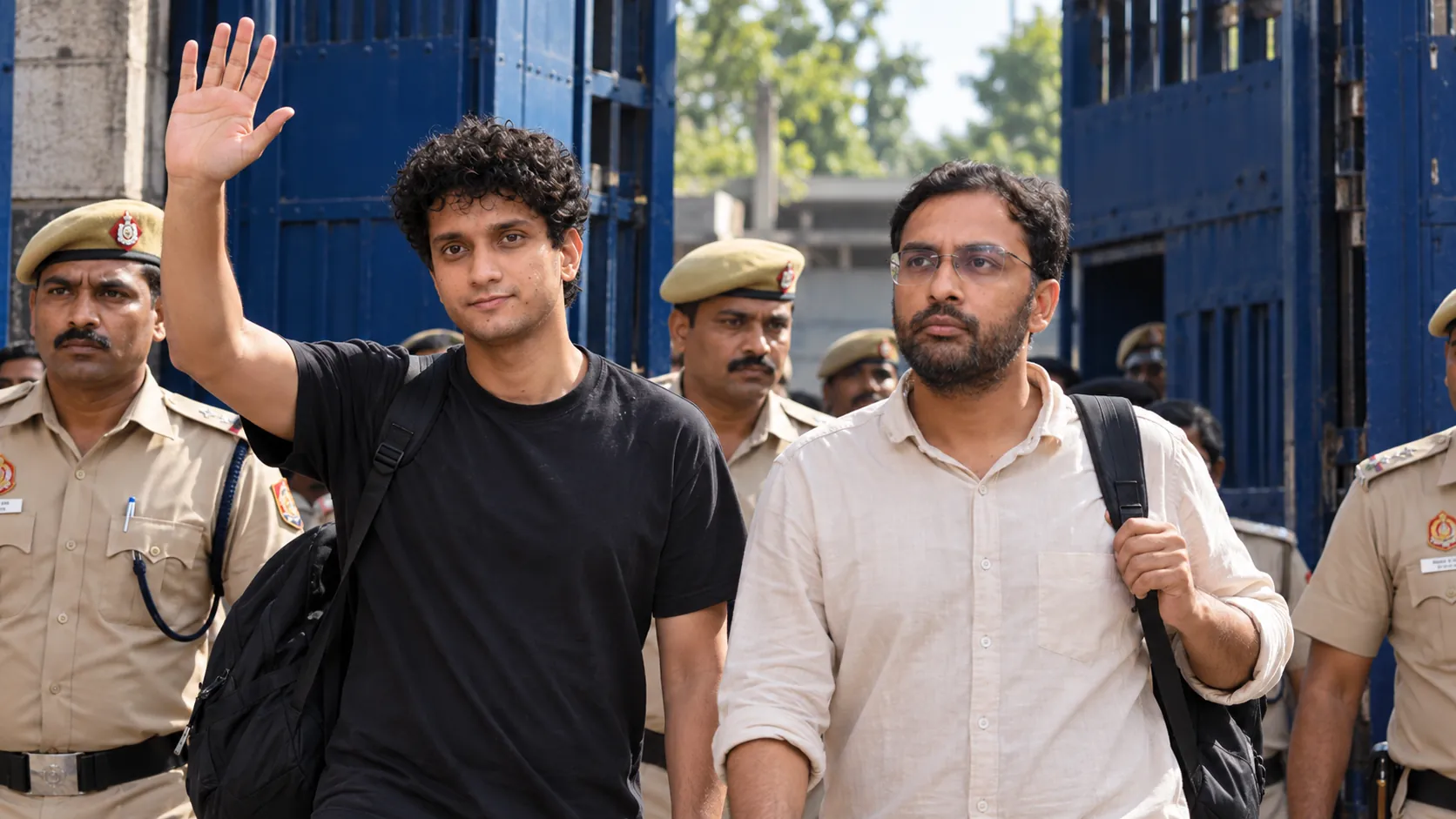
Dipke accused the prime minister of trying to silence dissent by locking up activists, according to reports.
From satire to street politics
The Cockroach Janta Party, literally the “Cockroach People’s Party”, began as an unregistered satirical movement launched in New Delhi on 16 May 2026 by Dipke, a political communications strategist.
The name is a pointed parody of the Bharatiya Janata Party, and a reclamation of the term “cockroaches” after Chief Justice of India Surya Kant used it while criticising certain elements of society and unemployed youth, later clarifying his remarks as a reference to fraudulent degree holders.
CJP’s own tagline, “Voice of the Lazy & Unemployed”, signals the tone it adopted online, but its demands have been framed in conventional reform language. Its five-point manifesto includes a ban on post-retirement Rajya Sabha appointments for former Chief Justices; stronger accountability for voter roll or electoral discrepancies; 50% reservation for women in politics and the cabinet without increasing total parliamentary seats; reforms around media licensing and transparency in government spending; and tighter anti-defection rules and parliamentary conduct standards.
Over recent months, the group has moved beyond memes and parody, calling demonstrations, hunger strikes and marches around New Delhi, including at Jantar Mantar, and tying its messaging to youth unemployment, exam irregularities and electoral transparency.
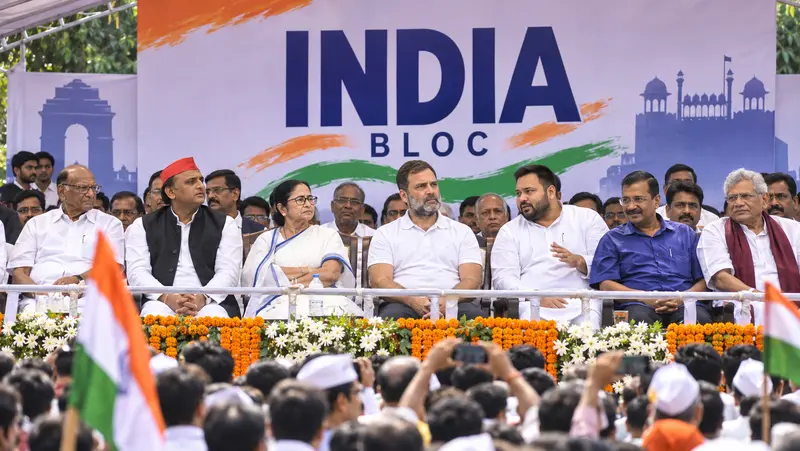
The immediate flashpoint now is the Election Commission’s voter roll revision, which has triggered near-daily street action by opposition parties, their student wings and the CJP-linked youth mobilisation. Protesters have called for Kumar’s resignation, arguing the changes threaten electoral fairness.
Saturday’s march is expected to draw thousands to the designated protest site in central Delhi, according to reports. Organisers have not announced a revised plan despite the denial of permission, instead signalling they will attempt to assemble and accept detention if police intervene.
For the CJP, Friday’s Supreme Court order offers a timely boost. For authorities, it lands as the capital braces for another day of confrontation over who gets to protest, where, and at what cost.
R
4 min
What did you think?