/
Delhi Police de-notifies Jantar Mantar as protest site, redirects rallies to three grounds
Delhi Police on Monday de-notified Jantar Mantar Road as a designated protest venue and barricaded the area against new demonstrations. Protests have been redirected to Ramlila Maidan, Burari Ground and the CBD Ground, drawing sharp opposition criticism amid ongoing election-related protests.
R
4 min
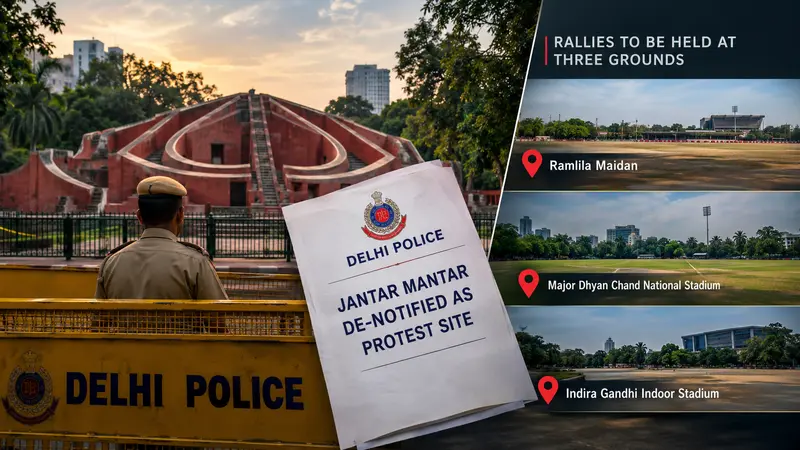
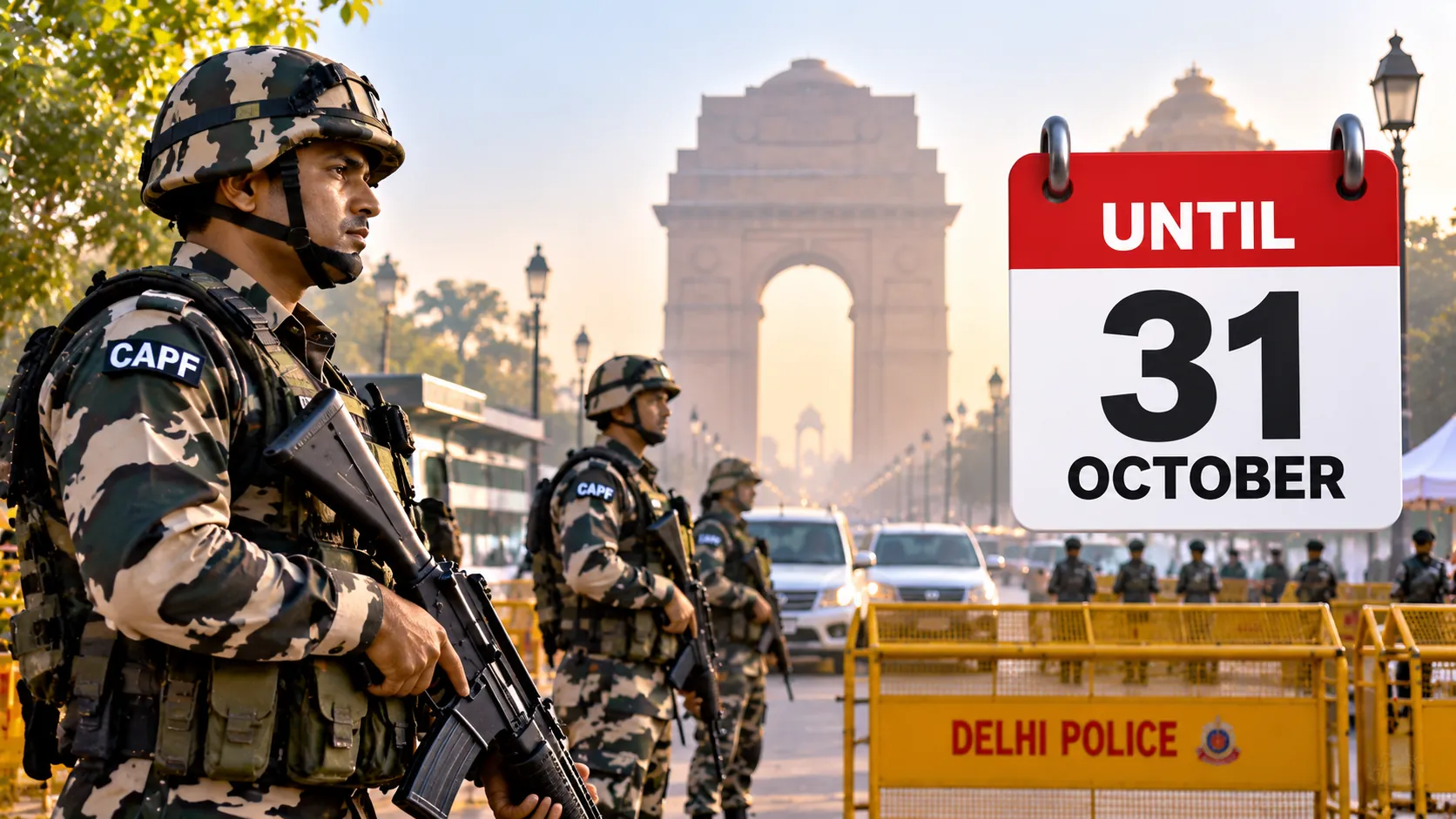
Delhi Police on Monday barred fresh demonstrations at Jantar Mantar, de-notifying Jantar Mantar Road as a designated protest venue and sealing off the area with barricades. The move ends, for now, the capital’s best-known address for sit-ins and small rallies in the heart of Lutyens’ Delhi.
The police order shifts future protests to three other locations across the city: Ramlila Maidan in central Delhi, Burari Ground in north Delhi, and the CBD Ground in east Delhi. Revised standard operating procedures for gatherings at those venues are expected to follow in a separate communication.
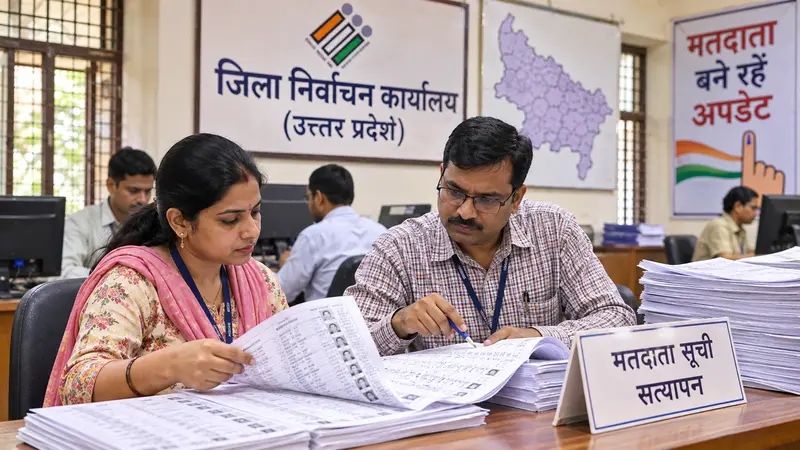
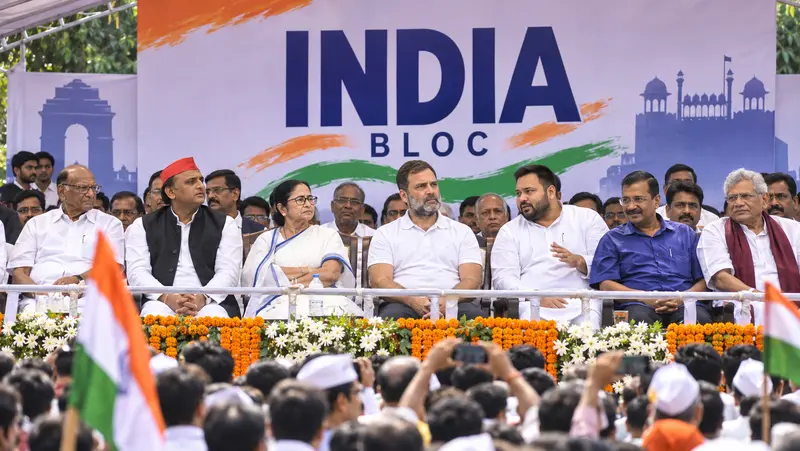
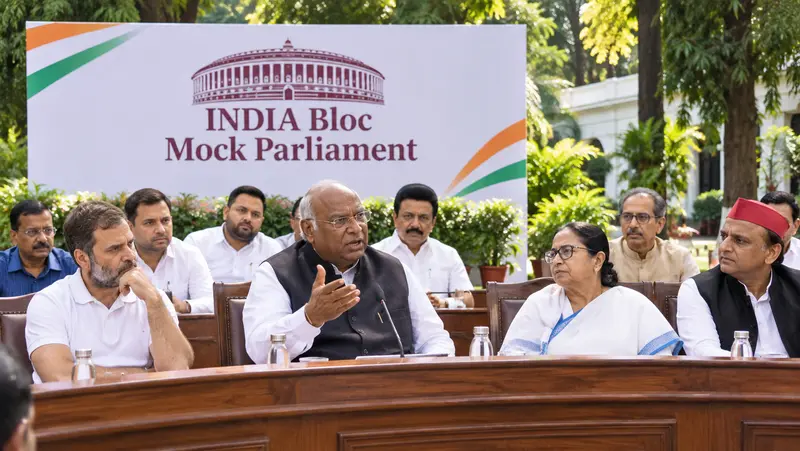
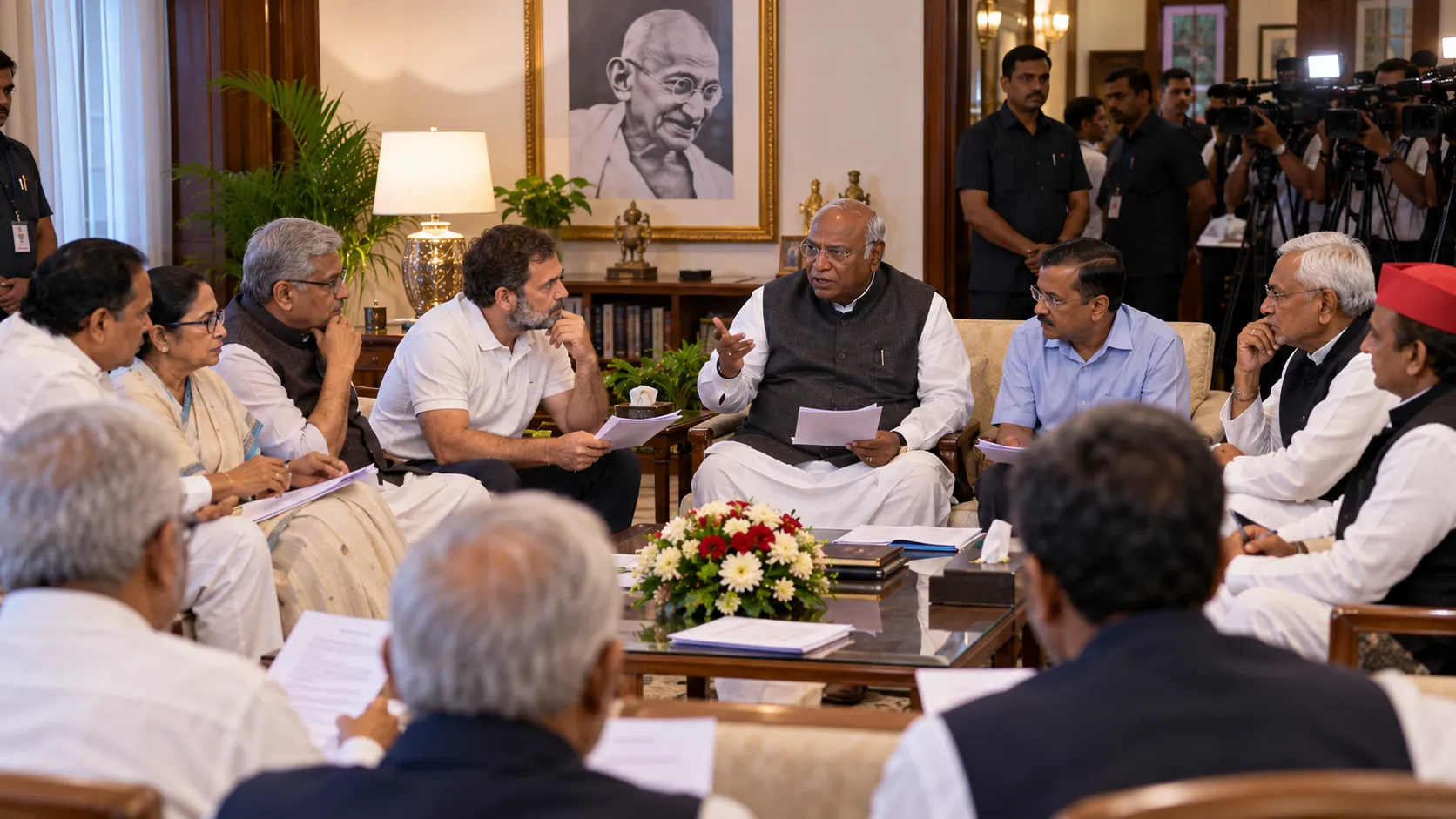
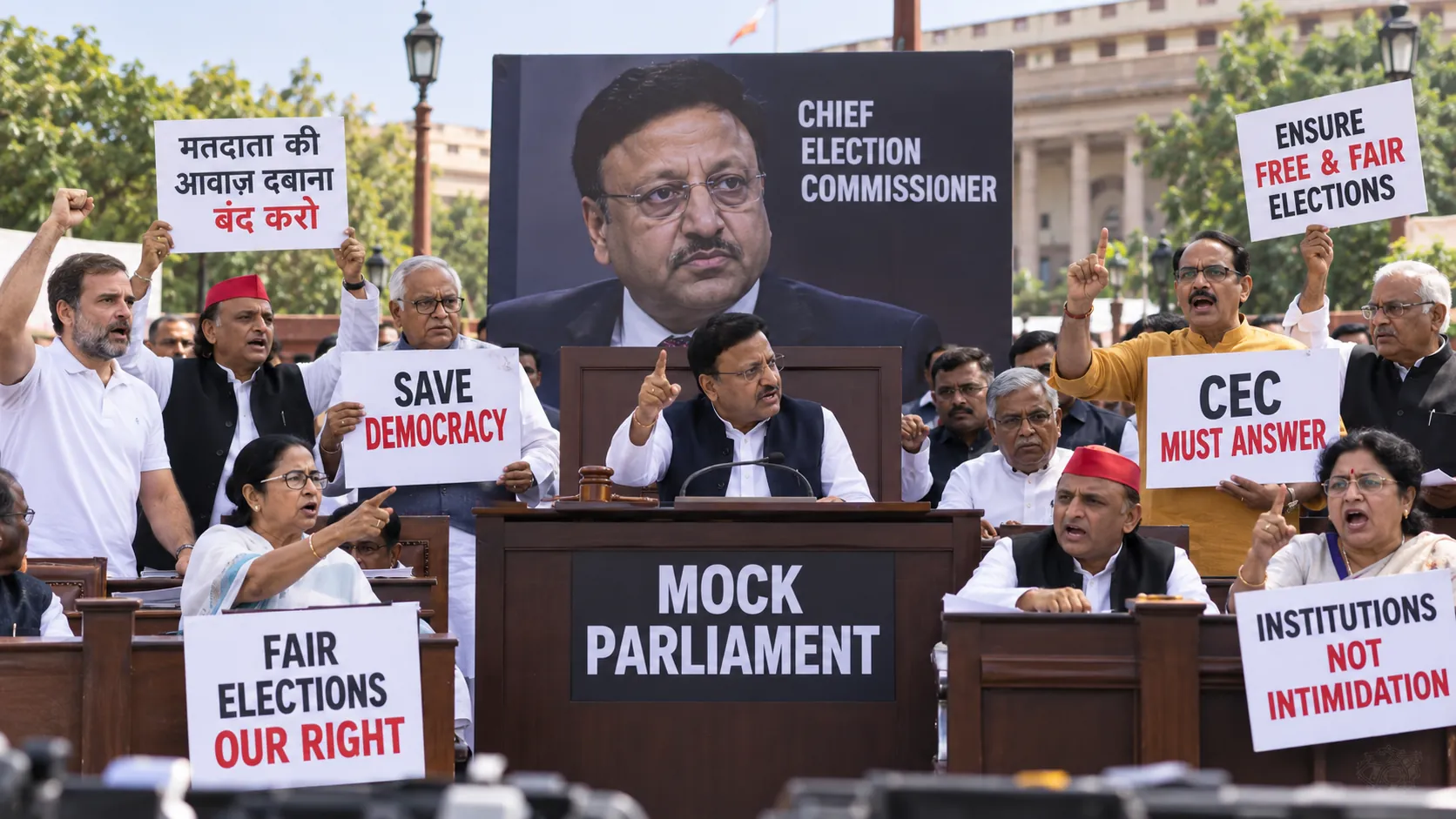
The decision, issued a day after the de-notification was signed on 11 October 2026, has landed in the middle of a charged political moment. Opposition parties from the INDIA bloc and the Cockroach Janta Party (CJP) have been staging demonstrations in recent days demanding the resignation of Chief Election Commissioner Gyanesh Kumar over electoral roll revisions.
Police shift protests to three venues
Police said the change was made after recommendations from a committee set up by the Ministry of Home Affairs to identify alternative locations for public demonstrations. The order modifies a standing arrangement that had allowed protests at Jantar Mantar under specified conditions.
By Monday, the site itself had been made inaccessible for new protests. Barricades were placed around the area, and police treated the stretch as off-limits for assemblies.
For years, Jantar Mantar’s proximity to Parliament, ministries and party headquarters made it a magnet for protest groups seeking visibility without attempting to march to high-security zones. Its removal as a designated venue is likely to push organisers towards larger grounds that can absorb crowds but are farther from the administrative centre.
The three newly identified locations are spread out, a change that could reshape how protest groups plan their actions. Ramlila Maidan has a long history of mass rallies and public meetings. Burari Ground, on the city’s outer northern edge, offers space but requires longer travel for many groups. The CBD Ground in east Delhi adds a third option away from the central government district.
Police have not yet released the revised SOPs that will govern permissions, crowd management and conditions for demonstrations at the new venues. Officials indicated those instructions would be issued separately.
Protests over election roll revisions
The timing of the decision has sharpened its political edge. Demonstrations in central Delhi in recent days, led by opposition parties and the CJP, have focused on demands that Chief Election Commissioner Gyanesh Kumar step down, with leaders alleging wrongdoing linked to electoral roll revisions.
Those protests have repeatedly tested the city’s security cordons. Reports of major traffic disruptions, metro station closures and mass detentions in central Delhi have accompanied the rallies, as police sought to prevent gatherings from spilling into high-security areas.
Against that backdrop, the de-notification of Jantar Mantar is being read by organisers as both a logistical clampdown and a symbolic one. The site has long served as a controlled outlet for dissent, offering a place where groups could assemble without immediately triggering a confrontation at Parliament Street or near government buildings.
Police have framed the shift as an administrative decision taken on expert advice. Opposition leaders and activists, however, have portrayed it as an attempt to narrow the space for public protest in the capital.
Opposition and CJP hit back
Congress leaders criticised the move within hours, arguing that the government was trying to muffle dissent by pushing protesters away from the city’s political centre.
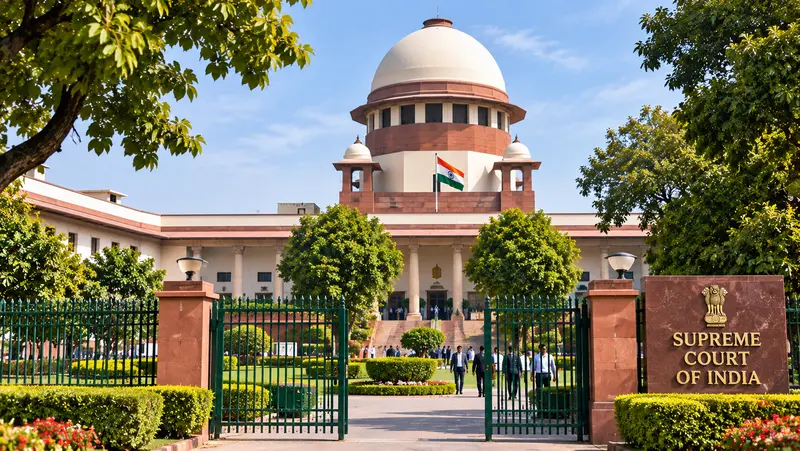
Congress MP Manish Tewari said the opposition would seek legal recourse and also signalled a change in protest plans. “We want to submit a representation to the Honorable Supreme Court. Therefore, the entire Opposition is collectively going to Barakhamba Road. Let's see where it goes from here,” he told reporters.
Tewari also invoked older protest norms in the capital. “The norm is that the protests and demonstrations take place in Boat Club. People come there. You may change the designated venues for demonstrations, but you cannot reduce people's anger,” he said.
All India Mahila Congress President Alka Lamba questioned the legitimacy of the decision, calling it arbitrary and arguing that citizens, not the state, should decide where democratic expression can take place.
From the CJP, founder Abhijeet Dipke condemned the removal in a social media post that mixed anger with defiance. “They have removed Jantar Mantar as a designated protest site. Yes, it’s no longer a protest site as anyway it was turned into a war zone by the coward dictator. Ab poora desh Jantar Mantar banega!” he wrote.
The immediate practical effect is straightforward: organisers who once applied to protest at Jantar Mantar will now have to route their plans through the three designated grounds, under rules that are still to be spelled out. The political consequences are less predictable. With the opposition already mobilised on the election commission issue, the relocation could become another rallying point, particularly if police enforcement around central Delhi remains tight.
For now, the message from authorities is clear. Jantar Mantar is no longer on the list.
R
4 min
What did you think?