/
Sharad Purnima 2026 tonight: moonrise times, puja window and when to keep kheer under the moon
Sharad Purnima is observed tonight, Sunday 25 October, even though the Purnima tithi runs until the morning of 26 October. Moonrise is around 5 pm in Delhi, and the kheer ritual and Kojagari Lakshmi puja are held after dark.
S
4 min
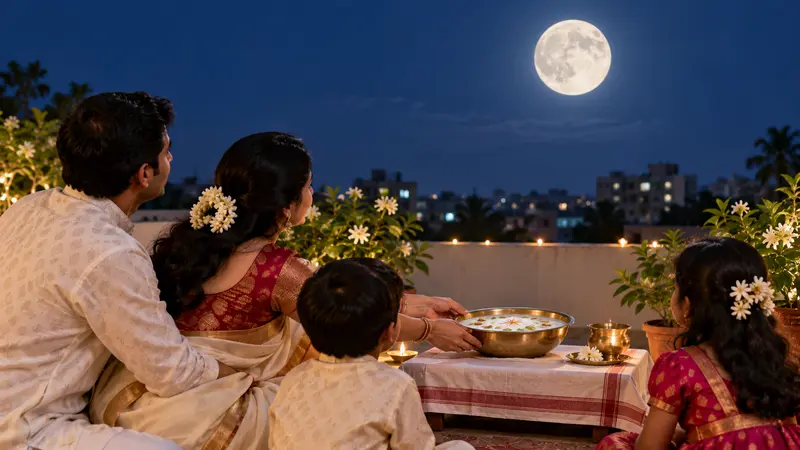
Sharad Purnima is being observed tonight, Sunday 25 October 2026. The full-moon night of the month of Ashwin marks the end of the monsoon in much of the country, and families keep a bowl of kheer in the moonlight, worship Lakshmi and stay up late. The date causes a little confusion every year, and this year is no exception, because the Purnima tithi starts on Sunday but ends on Monday morning.
Which day to observe it
The Purnima tithi begins at about 11.55 am on 25 October and ends at about 9.41 am on 26 October, according to the New Delhi panchang. Some calendars list a Purnima on the day the tithi ends, which is why a few of them show 26 October. The rituals of Sharad Purnima, however, depend on the night and on moonrise, so the observance falls on the night of 25 October. The tithi is in force through the whole of that night, and the full moon is at its brightest after sunset.
Panchang sources differ by a few minutes in their tithi timings, and one website listed a completely different date that is plainly an error. For a local puja time, a family should check the panchang of its own city.
Moonrise on 25 October is expected at around 5.00 pm in New Delhi, about 5.28 pm in Mumbai, about 4.20 pm in Kolkata and about 4.47 pm in Lucknow. The moon is not visible the moment it rises behind buildings and haze, so the practical viewing time is a little later.
The Kojagari or Nishita Lakshmi puja is held at night. One panchang lists the window as roughly 11.40 pm to 12.31 am in New Delhi, about 11.58 pm to 12.48 am in Mumbai and about 10.56 pm to 11.46 pm in Kolkata. These figures come from only one or two sites, so they are best treated as guides. Rahu Kaal, the period to avoid for beginning new rituals, runs from about 4.20 pm to 5.45 pm in Delhi.
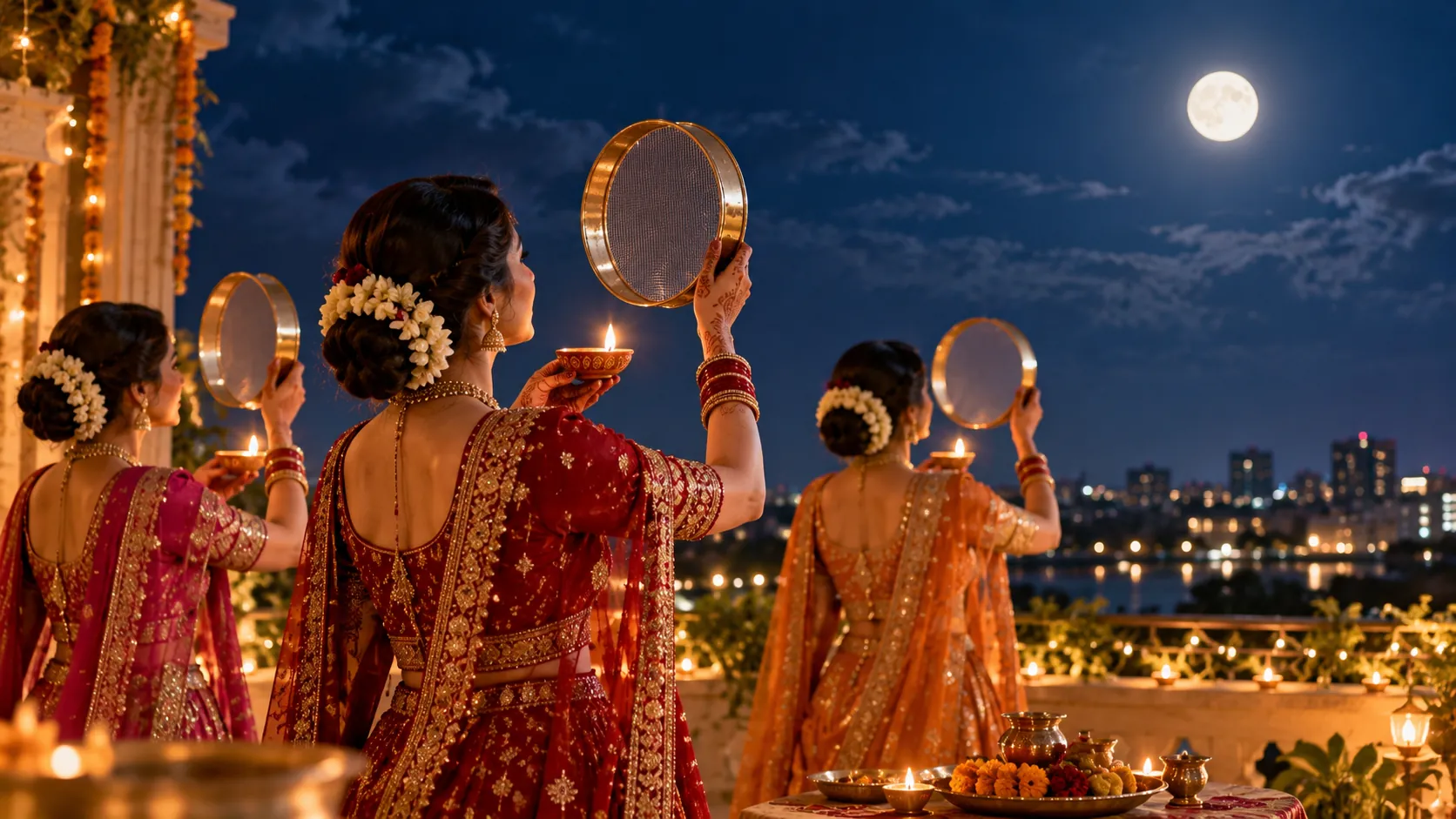
Why kheer is kept in the moonlight
The most widely followed custom is to cook kheer, usually in milk with rice and sugar, and leave it outdoors or on a terrace from moonrise until midnight. It is covered with a clean cloth and eaten the next morning as prasad. The belief is that the moon's rays on this night carry a cooling and healing quality, and that the food absorbs it. Where the sky is cloudy, panchang sources say the kheer can still be kept outside during the same hours.
Behind the custom is the season. The days turn cooler after the rains, and a milk dish eaten on the first cool, clear night fits the change. The full moon of October is also called the Hunter's Moon in the western calendar, and astronomically this one reaches fullness at about 9.42 am IST on 26 October, close to the end of the tithi.
In Bengal, Odisha, Assam and parts of Bihar, the night is known as Kojagari Lakshmi Puja. The name comes from a story in which the goddess goes around asking who is awake, and blesses the households that are. That is why families stay up, play games and sing. In the Braj region, the night is linked to Krishna's Maha Raas with the gopis, and Vrindavan and Mathura hold special darshan and night-long events.
The festival comes five days after Dussehra and so follows the end of Durga Puja. In Bengal, homes draw alpana designs of Lakshmi's footprints at the entrance, and the goddess is offered coconut sweets such as naru and nadu. In Maharashtra, the night is Kojagiri Purnima, when sweetened and spiced milk is shared under the moon, and in Gujarat it is a night of garba and raas in many neighbourhoods. The same full moon is therefore marked in different ways across the country, and the common thread is the moon, the milk and the night vigil.
For households, the observance usually comes down to a short list: bathe and fast during the day if the family follows the custom, prepare the kheer in the evening, light a lamp and offer prayers to Lakshmi after moonrise, keep the kheer in the moonlight until midnight and eat it the next morning.
S
4 min
What did you think?