/
Mann Ki Baat at 12 years: Modi urges 'Vocal for Local' before Diwali, cites makhana and arhar dal exports
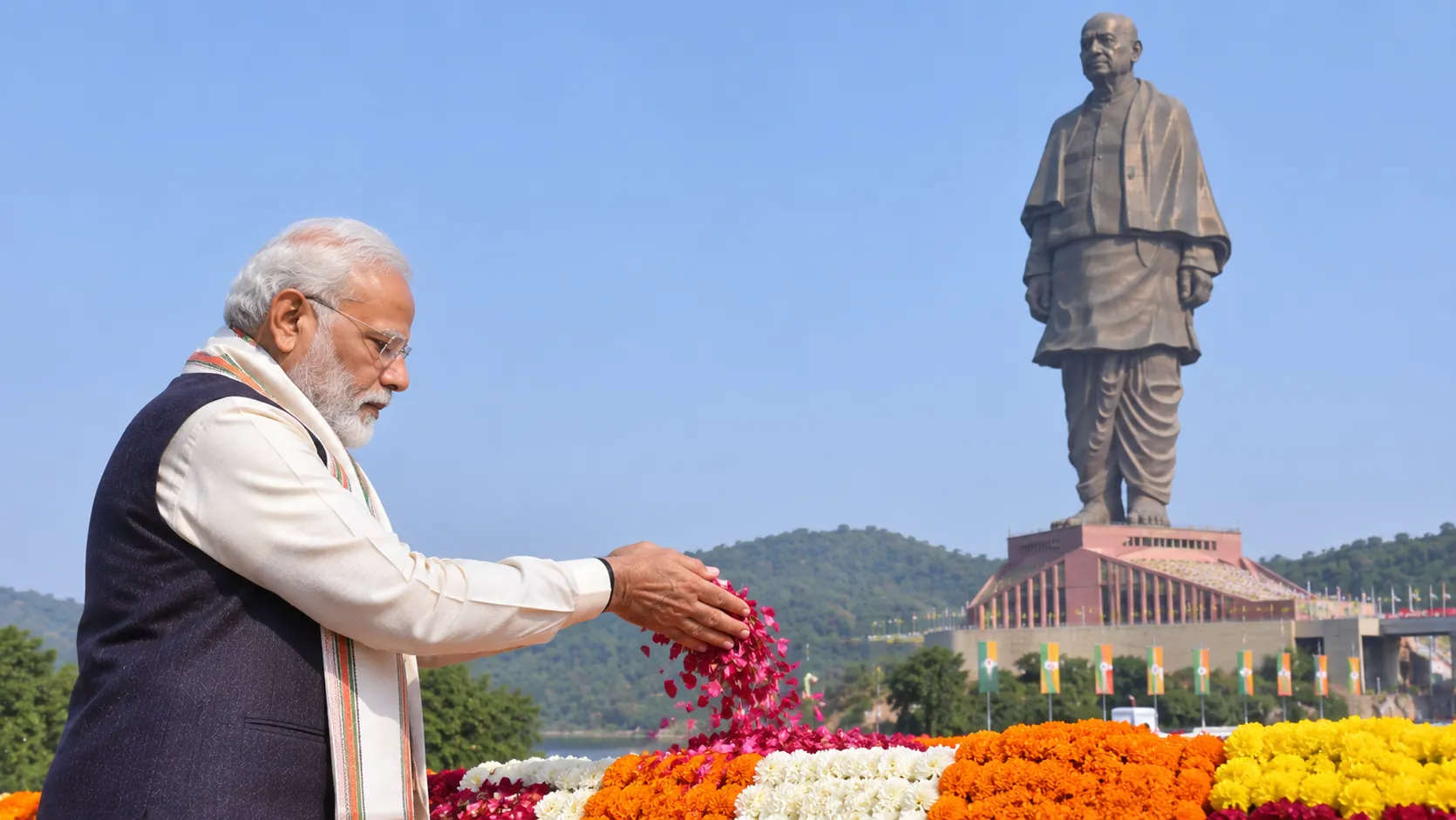
In the 139th episode of Mann Ki Baat, which completes 12 years of the programme, Prime Minister Narendra Modi asked people to buy from local artisans this Diwali. He cited makhana reaching Greece, arhar dal going to the Maldives, Punjab's organic cotton and a revived river.
P
4 min
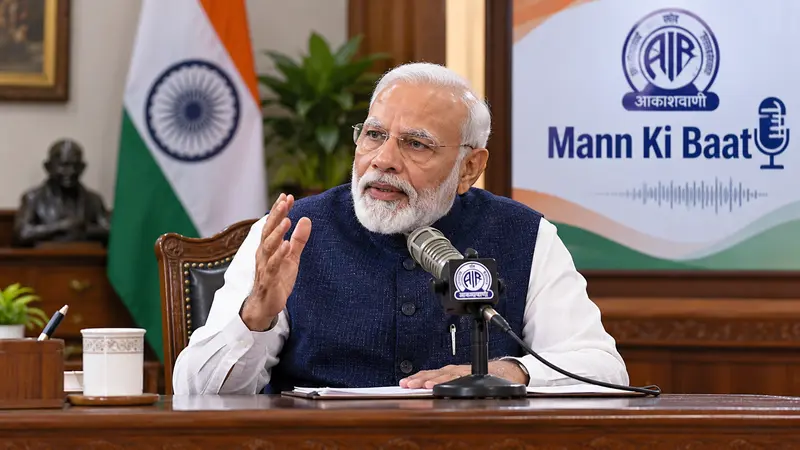
Prime Minister Narendra Modi marked 12 years of Mann Ki Baat in the 139th episode of his monthly radio programme on Sunday, 25 October, and used it to ask people to buy from local artisans in the festive season. With Diwali round the corner, he said that backing local products strengthens the 'Vocal for Local' campaign and helps build a self-reliant India. The programme, which began in October 2014, goes out on the last Sunday of each month.
The Diwali message
Modi said that more and more people are choosing Indian products for their festival shopping and described Diwali as the right time to support Indian craftsmanship. Buying local, he said, is a way of honouring the hard work of citizens who make the goods, and he framed the choice as a way of strengthening local livelihoods across the country. He also noted a rising demand for khadi, saying it supports artisans who keep traditional skills alive, and he pointed to tribal products from Maharashtra that are winning recognition because their packaging now reflects the richness of tribal art.
The prime minister gave two examples of local produce finding buyers overseas. Makhana, or fox nuts, from Purnia in Bihar is now reaching Greece. Arhar dal from Kalaburagi in Karnataka is being sent to the Maldives. Both examples fit a theme he has returned to often, that products from small towns and farms can find a place in world markets once they are packed, branded and sold well.
For the farmers and processors behind them, the promise is a better price and a steadier market. Makhana is grown mainly in the ponds of north Bihar, and the work is hard and mostly done by hand, so a rise in demand abroad can raise the income of a large number of families. Kalaburagi is known as a centre of pigeon pea cultivation, and an export market for its dal gives growers another route when local prices fall.
Stories from the grassroots
Modi also spoke about two projects at the local level. The first was the Nav-Trinjan initiative in Punjab, run by the Kheti Virasat Mission, which promotes organic cotton farming in the Malwa region. The cotton is grown in natural colours, so the yarn and cloth do not need chemical dyes, and the initiative runs a weaving school that has changed the lives of many women.
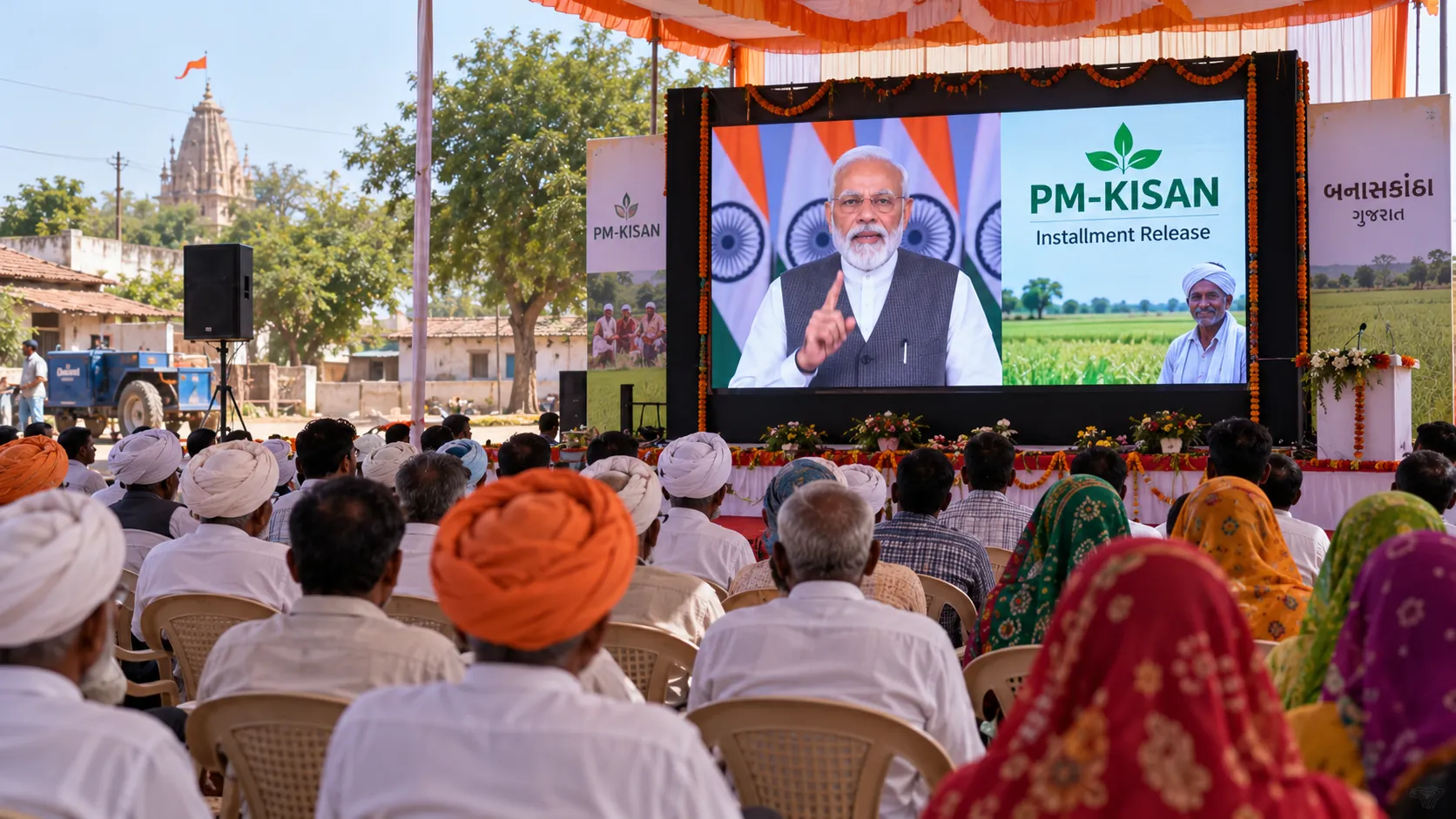
The second was the revival of the Heval river in Tehri Garhwal in Uttarakhand. The river had started drying up a few years ago. Local people and the administration collected rainwater, recharged the soil and planted many trees. The river has come back, and dozens of natural water sources have returned. It is the kind of story that the programme uses to show how a community can act on its own.
The previous episode, the 138th, was broadcast on 27 September, and the programme goes out on All India Radio at 11 am on the last Sunday of the month, with repeats in regional languages. Modi called Mann Ki Baat a pilgrimage for him, saying that it helps him to learn about and honour the work that people are doing across the country. The programme has become a fixture, and its choice of topics follows a pattern: festivals, local enterprise, sport, the environment and the achievements of ordinary people. It does not take up the issues of the day in the way a press conference would, and that has been both its appeal for supporters and a point of criticism from the opposition.
The episode came on a day when the Prime Minister also visited Varanasi and Bhubaneswar. The full transcript is available on the government's website, and the programme is repeated in regional languages through the week.
For shoppers, the message is simple: look for goods made by local artisans, khadi and handloom products and the produce of small farmers, and buy them in the weeks before Diwali. For small producers, the lesson is that the market has become wider than the local fair. Whether the 'Vocal for Local' call changes buying habits depends on prices, quality and availability, and not on speeches alone, but a mention on the programme can bring a sudden rise in orders to a village product, as earlier episodes have shown.
P
4 min
What did you think?