/
Karnataka hikes Nandini milk by Rs 8 a litre from 1 November; farmers to get Rs 42, Rs 47 with incentive
The Karnataka Cabinet approved a Rs 8 per litre rise in Nandini milk prices from 1 November, on the milk federation's proposal. Rs 7 goes to farmers and Re 1 to cooperatives, raising the farmer price to Rs 42, or Rs 47 with the existing incentive. Farmers had sought Rs 10.
S
4 min
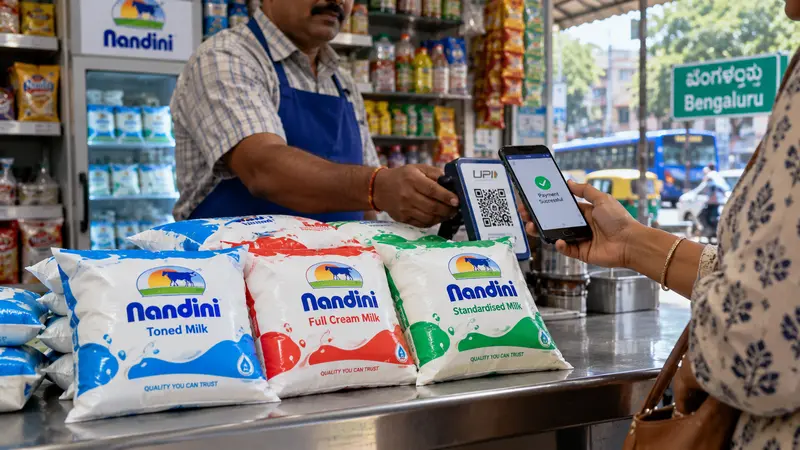
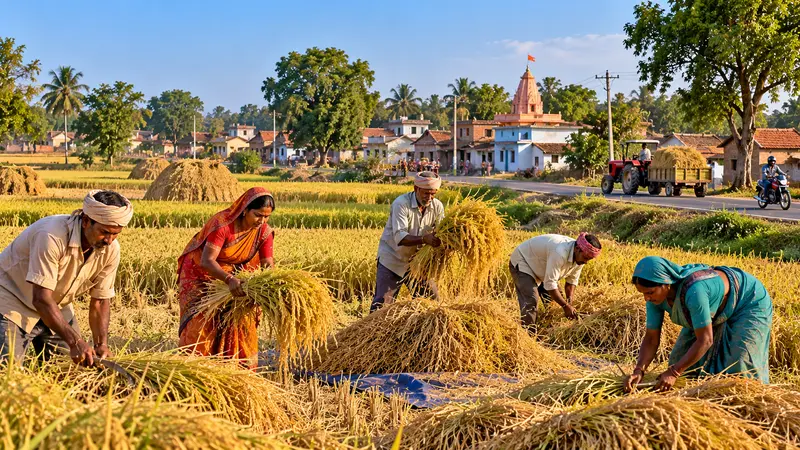
The Karnataka government has raised the price of Nandini milk by Rs 8 per litre, with effect from 1 November. The Cabinet approved the increase on Thursday, 29 October, on a proposal from the Karnataka Milk Federation. Of the Rs 8, Rs 7 will go to farmers and Re 1 to milk cooperatives. The increase is meant to support dairy farmers, particularly at a time of drought in the state.
How the money is divided
Farmers will receive Rs 42 per litre, up from Rs 35. A Rs 5 per litre incentive that they already receive continues, so the total that a farmer gets will be Rs 47 per litre.
| Item | Amount |
|---|---|
| Increase in milk price | Rs 8 a litre |
| Share to farmers | Rs 7 |
| Share to milk cooperatives | Re 1 |
| Farmer price | Rs 42 (from Rs 35) |
| Existing incentive | Rs 5 |
| Total to farmers | Rs 47 a litre |
Why the increase
The government said that the revision is meant to support dairy farmers, especially because of drought conditions in the state. Minister Krishna Byre Gowda said that dairy farmers had asked for an increase of Rs 10 per litre but that the Cabinet approved Rs 8. A report from earlier in the day had suggested that a rise of Rs 4 to 5 was likely, and the final decision is higher than that. The federation had proposed the revision, and the government approved it.
The price that farmers get is meant to rise because the cost of feed and fodder goes up in a drought, when pasture is scarce and farmers have to buy fodder. Karnataka is one of the drought-hit states this year, and Telangana and Maharashtra have also announced relief measures for farmers this week. The World Bank said on Wednesday that food and fertiliser prices will rise over the year.
What it means for consumers
The reports do not give the new retail price for each variety of Nandini milk. The Rs 8 increase applies per litre, which means that a consumer who buys a litre of milk a day will pay about Rs 240 more a month from November, and a family that uses two litres a day will pay about Rs 480 more. Milk is a staple, and its price feeds into the price of curd, buttermilk, sweets and tea, so the increase adds to inflation in a household's food bill.
Past increases by the federation have been smaller, such as Rs 3 and Rs 4 per litre, which makes Rs 8 a large step. The increase comes only days before the festival season, when demand for milk products is high.
In percentage terms, the farmer price rises 20 per cent, from Rs 35 to Rs 42, and the total with the incentive rises 17.5 per cent, from Rs 40 to Rs 47. Of each extra rupee that consumers pay, 87.5 paise goes to the farmer. The reports do not give the new retail price of each Nandini pack, so shoppers should check the price printed on the pack from 1 November.
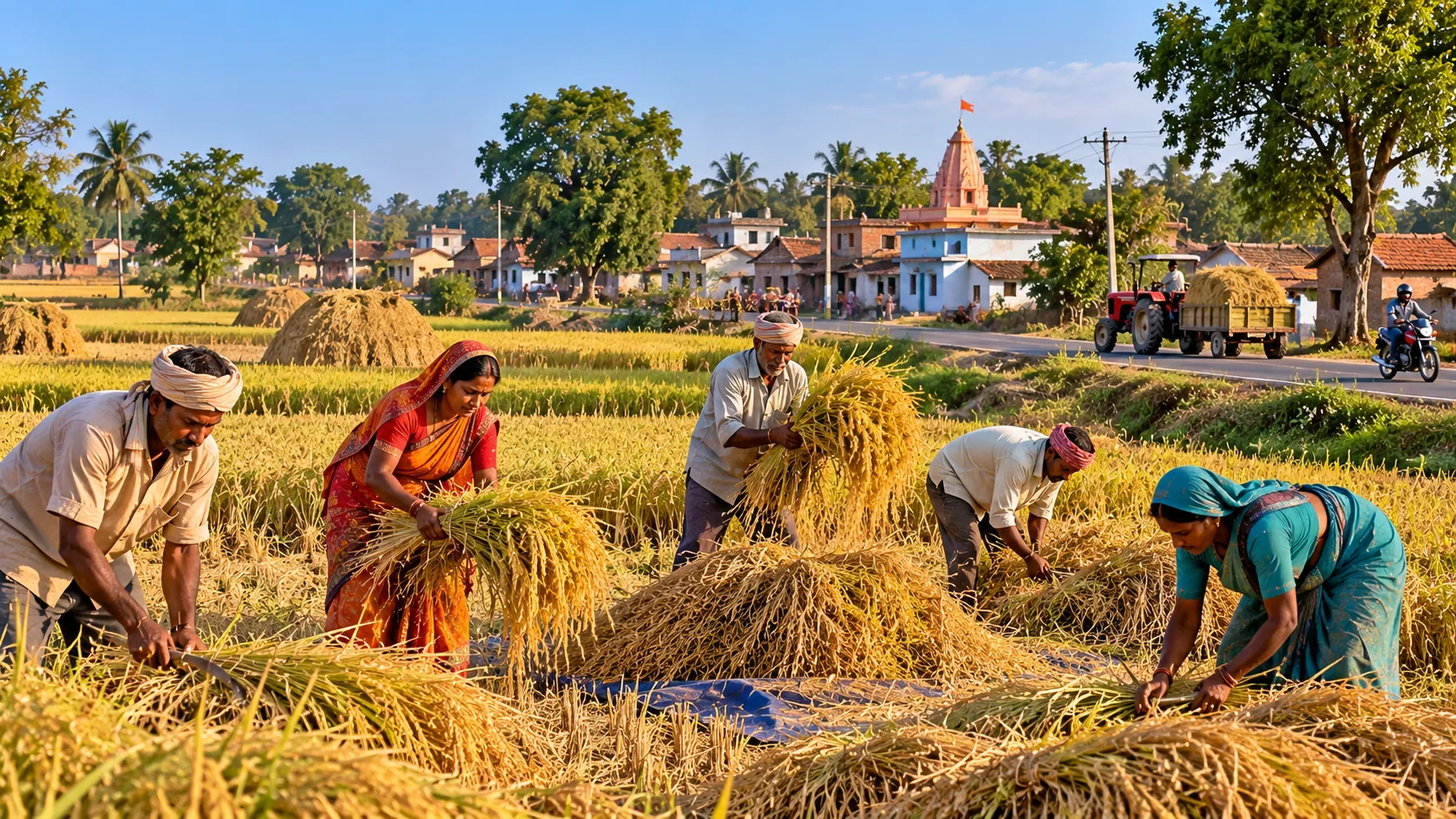
A higher price for farmers supports the livelihoods of the families who produce the milk, and in a drought year it can prevent them from selling cattle or leaving dairying. A higher price for consumers falls on households that are also dealing with high prices for fuel and other items. The government has chosen to put most of the increase, Rs 7 of Rs 8, into the farmers' hands, with a small share for the cooperatives that collect and process the milk.
The increase comes ten days before Diwali on 8 November, and at a time when other states are also dealing with drought. Maharashtra approved an advance of Rs 5,000 for 1.5 crore farmers in drought-hit talukas on 27 October, and Telangana declared 365 mandals drought-affected the same day. In Karnataka the government has chosen to pass most of the cost of supporting dairy farmers on to milk buyers, and not to pay it out of the state budget.
The retail price list from the federation, which will show the new price of each pack, is the next piece of information. Opposition parties and consumer groups may react to the size of the increase. Farmers' groups that wanted Rs 10 may keep up their demand. The federation's costs and the pattern of milk supply during the drought will determine whether a further revision is asked for.
S
4 min
What did you think?