/
Direct mutual fund plans become the default option on AMC digital platforms from 1 November, SEBI chief says
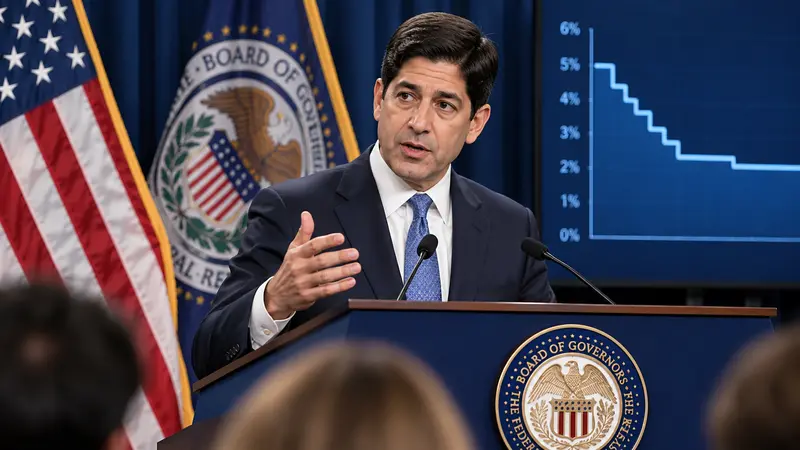
SEBI chairman Tuhin Kanta Pandey said that from 1 November direct plans will be the default option on asset management companies' digital platforms. Investors choosing regular plans must be told of their higher expense ratio. Existing regular plans and SIPs do not convert automatically.
P
4 min

From 1 November, direct plans will be the default option on the digital platforms of asset management companies, the chairman of the Securities and Exchange Board of India, Tuhin Kanta Pandey, said on Wednesday, 28 October. He was speaking at a business event in Mumbai, and said: "From November 1, Direct Plans will be the default option on digital platforms of AMCs." The stated aim is to improve transparency so that investors can make informed choices, and the move is expected to highlight the cost difference between direct and regular plans.
What changes on 1 November
When an investor opens an asset management company's own website or app to buy a fund, the direct plan will be pre-selected. An investor who still wants a regular plan can choose it, but the platform must tell them about its higher expense ratio. The reports do not give the numbers for the expense ratios or commissions, and do not say whether the change applies to platforms run by distributors and brokers.
Direct and regular plans
Both types of plan belong to the same scheme and hold the same portfolio. The difference is in the cost.
| – | Direct plan | Regular plan |
|---|---|---|
| How it is bought | Straight from the fund house, with no distributor | Through a distributor or an intermediary |
| Expense ratio | Lower, since distributor commission is left out | Higher, since it includes the cost of distribution |
| Advice | The investor chooses and manages the fund | A distributor usually helps to select funds and gives guidance |
Because the expense ratio is deducted from the fund's returns every year, a lower ratio leaves more of the return with the investor. An analysis published earlier compared direct and regular plans in five equity funds using a hypothetical monthly investment of Rs 10,000 for 10 years, and found that the difference in the final corpus could be in lakhs of rupees. That analysis relies on past performance, and it is not a forecast or a promise of savings.
The change is to the default option and does not switch anything. Existing regular-plan investments and systematic investment plans will not convert automatically. An investor who wants to switch from a regular plan to a direct plan should first check the terms and the consequences. Switching normally means redeeming the units of the regular plan and buying the direct plan, which can have tax and exit-load consequences, so it is worth getting advice before acting.



Distributors earn their income from the commission in regular plans, so a default that points investors to direct plans can reduce the number of new investors who choose regular ones. The reports do not quantify the effect. Investors who depend on a distributor for selecting funds and for guidance may still find regular plans more suitable, despite the higher costs.
Mutual funds are still a small part of household savings in India. A survey by the regulator found that 63 per cent of households are aware of at least one product in the securities market, but only about 9.5 per cent take part. Among investors, 36 per cent have moderate or high knowledge of the market. A clearer display of costs is meant to help the many first-time investors who come in through apps.
As an illustration only, and not a forecast, take a monthly investment of Rs 10,000 for 10 years. If a direct plan earns 12 per cent a year and a regular plan earns 11 per cent because its costs are one percentage point higher, the direct plan would end with about Rs 23.2 lakh and the regular plan with about Rs 21.9 lakh, a difference of about Rs 1.3 lakh. The actual gap depends on the fund, the market and the difference in expense ratios, which the reports do not give.
A person who invests through a fund house's app after 1 November should check which plan is selected before confirming the purchase. Direct plans may suit those who are comfortable with choosing and reviewing funds themselves. A lower expense ratio does not remove market risk and does not guarantee higher returns. Anyone who is unsure should ask a registered investment adviser.
P
4 min
What did you think?