/
Brent settles at $116.72, a six-month high, on fears of a US strike on Iran and Houthi attacks on Saudi Arabia
Brent crude settled at $116.72 a barrel on Friday, its highest close since 29 April and the third weekly gain in a row. The rally rests on expectations of a US and Israeli strike on Iran after the US midterms and Houthi attacks on Saudi targets, not on a confirmed loss of supply.
P
4 min
Brent crude settled at $116.72 a barrel on Friday, 23 October, up 3.1 per cent on the day and the highest settlement since 29 April. US West Texas Intermediate rose 3.8 per cent to $103.27. Brent gained 6.2 per cent over the week, which was the third weekly gain in a row. Early in trading on Monday, prices were down by almost a dollar.
What is driving the price
The rise is driven by expectations, not by a confirmed loss of oil. US officials have told American media that Washington and Tel Aviv have plans for another strike on Iran, with a timeframe after the US midterm elections in November. The United States has not resumed strikes on Iran, according to these reports, but traders are pricing in the risk of one. President Donald Trump has hinted at strikes on Iran soon, and has also ruled out strikes on a particular day, and more US warships are being sent to the Middle East.
The second driver is the attacks by the Houthis, who are backed by Iran, on Saudi Arabia. Saudi forces say that they have intercepted missiles and drones aimed at Riyadh, Khamis Mushait and the southern region. The Houthis say that they targeted airports and energy sites, including King Khalid International Airport and the oil company Saudi Aramco's facilities at Yanbu. A separate attack on King Fahd International Airport in Dammam killed at least two people and injured eight. The Riyadh airport was shut for two weeks and is preparing to reopen, and explosions were heard in the Saudi capital as it did so.
Supply has not yet been hit
A careful reading of the reports shows that no loss of Saudi production or exports has been confirmed. One analysis says that the most recent independent evidence shows no confirmed disruption, and that the Houthi claims about Yanbu and another site were contradicted by an industry source. The price therefore reflects a probability of disruption and not missing barrels. That is why oil can move sharply on a statement from Washington and fall just as fast if tension eases.
Oil has been this high before in the year. In March, Brent crossed $114 a barrel after Iran hit the largest Qatari energy site, which shows how quickly the market reacts to damage to energy facilities in the Gulf. The present rally is different in that it rests mostly on threats, which means it can fade if the threats do not become action.



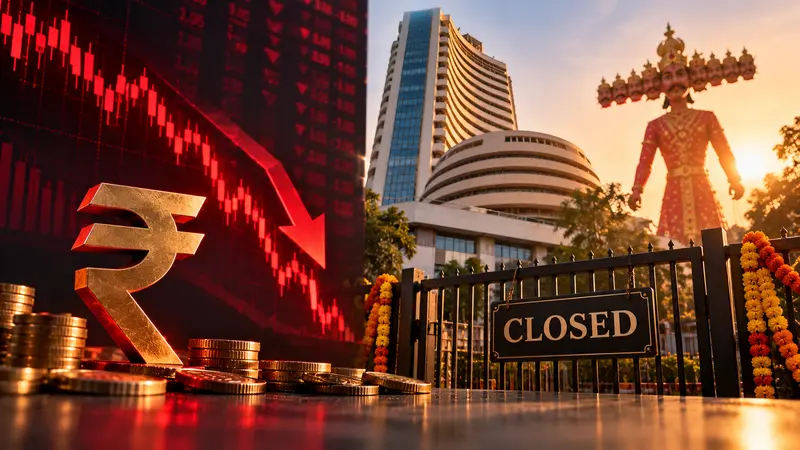
India imports about 90 per cent of the oil it uses, so a rise in crude prices raises the import bill, widens the current account deficit and puts pressure on the rupee. It also feeds inflation through transport and input costs, and it squeezes the oil marketing companies if retail prices of petrol and diesel are held steady. The effect shows up with a lag, and the government has several ways to cushion it, from tax changes to buying from cheaper sources.
India has been doing the latter. As an earlier report showed, its imports of Venezuelan crude have risen sharply this year, and Russian oil remains the biggest single source. Gulf supplies, which have a larger share when the region is calm, are also the supplies most at risk if the conflict widens.
The same oil move has spilled into other markets. Higher crude is one of the reasons cited for the fall in gold and silver before Diwali, because it raises inflation worries and keeps interest rates high. Foreign investors have also pulled money out of Indian equities this month, with high oil prices among the reasons.
Three things matter in the days ahead. The first is any move by the United States toward a strike on Iran, which would be the largest immediate risk. The second is whether the Houthi attacks on Saudi Arabia succeed in hitting oil infrastructure, as opposed to airports and intercepted targets. The third is the response of producers: a supply increase by the OPEC group or the release of strategic stocks by major consumers would lower prices. For now, the market is trading on fear, and the range of outcomes is wide. A fall in prices would ease the pressure on the rupee, on inflation and on the oil companies, and a further rise would add to all three.
P
4 min
What did you think?